Oil prices jumped to their highest since 2022 after a report that the US military is set to brief President Donald Trump on new plans for potential action in the Iran war.
US Central Command has prepared a plan for a wave of "short and powerful" strikes on Iran to try to break the deadlock in negotiations with Tehran, news site Axios reported. The BBC has contacted US Central Command and the White House for comment.
Brent crude rose by almost 7% to more than $126 (£94) a barrel at one point, the highest since Russia's full-scale invasion of Ukraine.
Energy prices have risen this week as peace talks appear to have stalled, with the key Strait of Hormuz waterway still effectively closed.
After reaching $126.31 a barrel in Asian trade, the price of Brent crude fell back to around $116 in European trade.
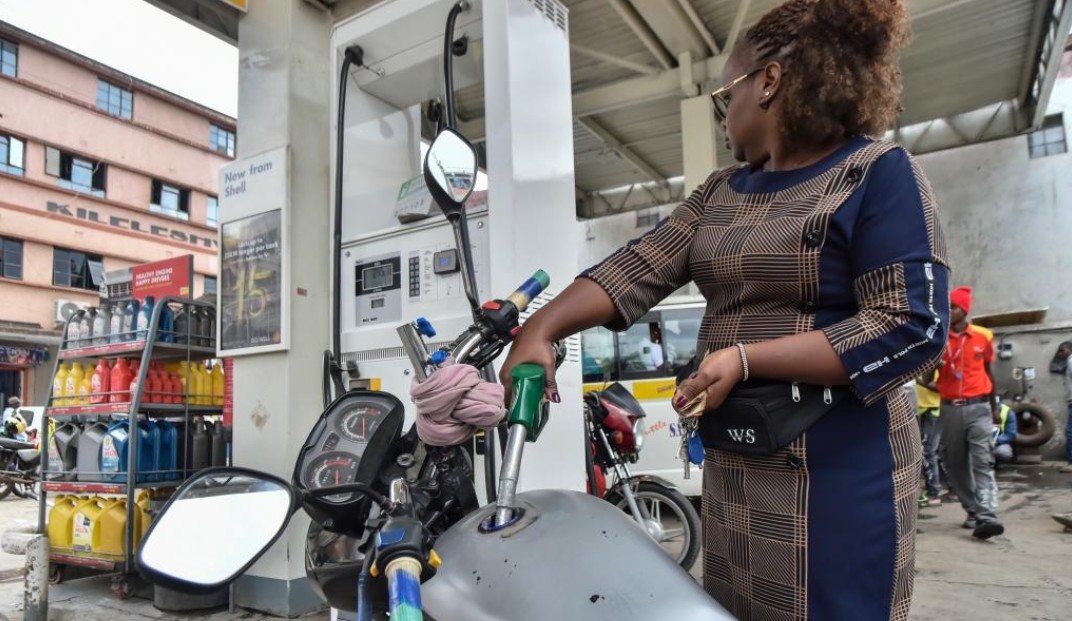
Crude oil is a key ingredient in petrol and diesel, and the jump in costs since the start of the Iran war has pushed up pump prices for motorists.
In the UK, petrol currently costs an average of 157p a litre, according to motoring group RAC, which is 24p higher than before the start of the war. Diesel is at 188.5p a litre, up 46p compared with its pre-war price.
RAC head of policy Simon Williams said that while the price of petrol at the pumps has fallen, "our analysis of wholesale costs shows petrol is now more expensive for retailers to buy than at any time since the war began".
"However diesel, which has come down by 3p a litre, is currently well below its highest wholesale price since the start of the conflict, so should fall further."
He added that this shift in trends was partly due to the time of year.
"The market for petrol tends to increase in the spring as people in the US begin to drive more, whereas the price of diesel often reduces as Western Europe's use of heating oil, which is made from the same part of the barrel, lessens as the temperature warms up."
But the potential impact is wider than just petrol and diesel prices. The UK government has warned people could face higher energy, food and flight ticket prices as a result of the war.
Some airlines have already started to raise fares or reduce flights. Fertiliser prices have also started to increase, which could have a knock-on effect on food prices.
The Axios report cited anonymous sources, saying the proposed wave of strikes would be likely to include infrastructure targets.
The BBC understands that energy executives met Trump on Tuesday to discuss ways to limit the impact of the war on US consumers, fuelling concerns in the market about an extended disruption to energy supplies.
"The big question in my mind is how long the Trump administration can stand the economic heat," Will Walker-Arnott, investment manager at Raymond James, told the Today programme.
"People are really beginning to worry about the inflationary impact coming through from the rise in the oil price", he added.
Stock markets in Asia closed lower, with Japan's Nikkei down 1.1% and South Korea's Kospi closing 1.4% lower.
In Europe, London's FTSE 100 rose 1%, Germany's Dax was up 0.3% while France's Cac fell 0.6%.