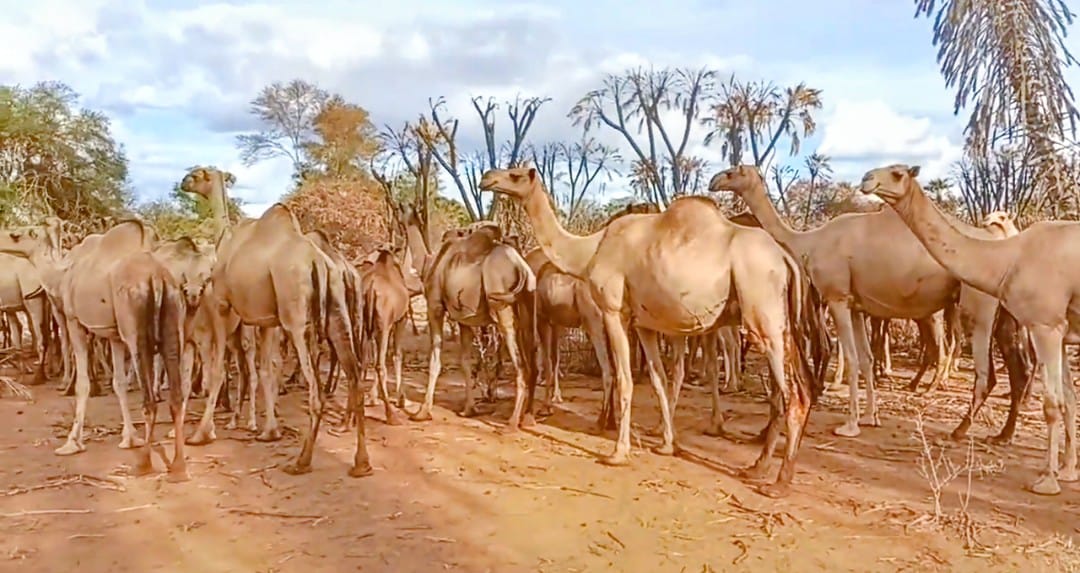
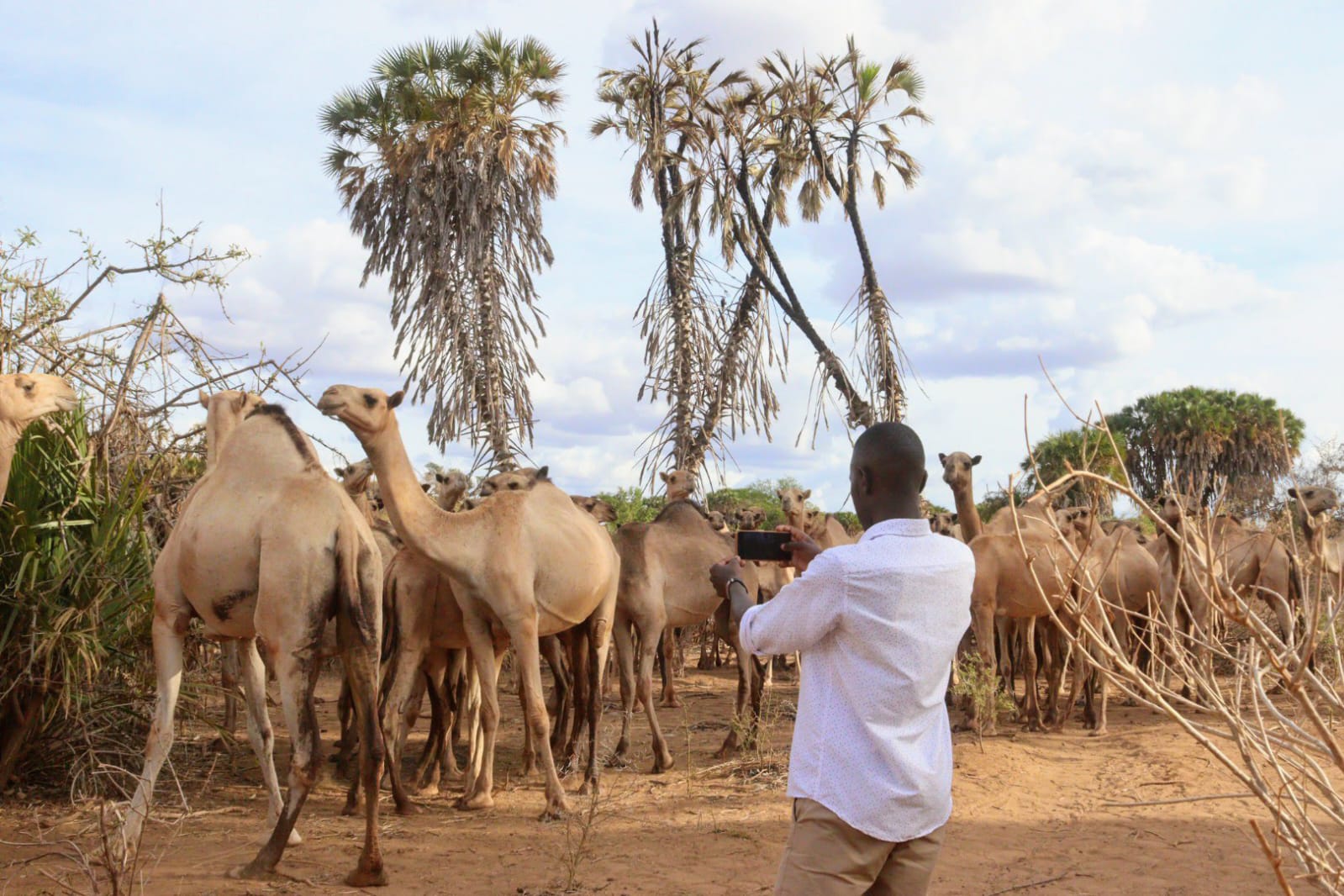
 Camels that have been brought into Kitui county by herders from North Eastern Kenya /Musembi Nzengu
Camel herders who had moved into Kitui from Northeastern in search of pasture have once again been linked to a deadly attack, after allegedly hacking to death a teenager.
The latest killing of Joseph Mutemi, 14, a Grade 6 pupil at Kathungu Primary School in Nguni ward, Mwingi Central, took place on Tuesday in Katuuni village grazing fields.
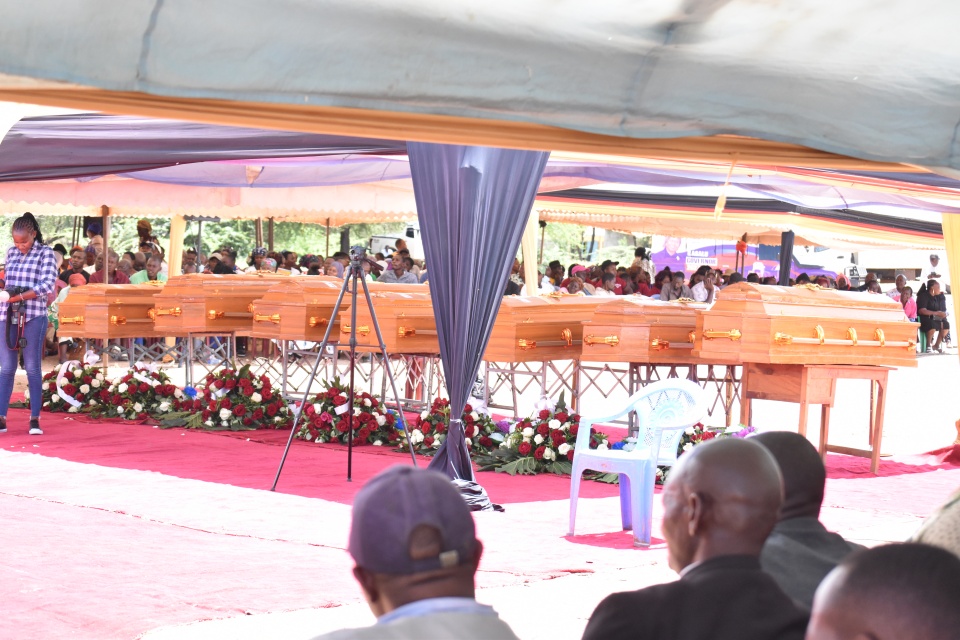
It came three days after the Kwa Kamari massacre, in which seven people were shot dead by gunmen suspected to be herders.
The schoolboy was reportedly tending his father’s livestock in Katuuni village when he was accosted by the attackers and fatally wounded with pangas.
Mwingi East subcounty police commander Boniface Kavoo said the assailants fled and went into hiding.
He said the boy’s body was taken to Mwingi Level 4 Hospital mortuary and a manhunt for the suspects is underway.
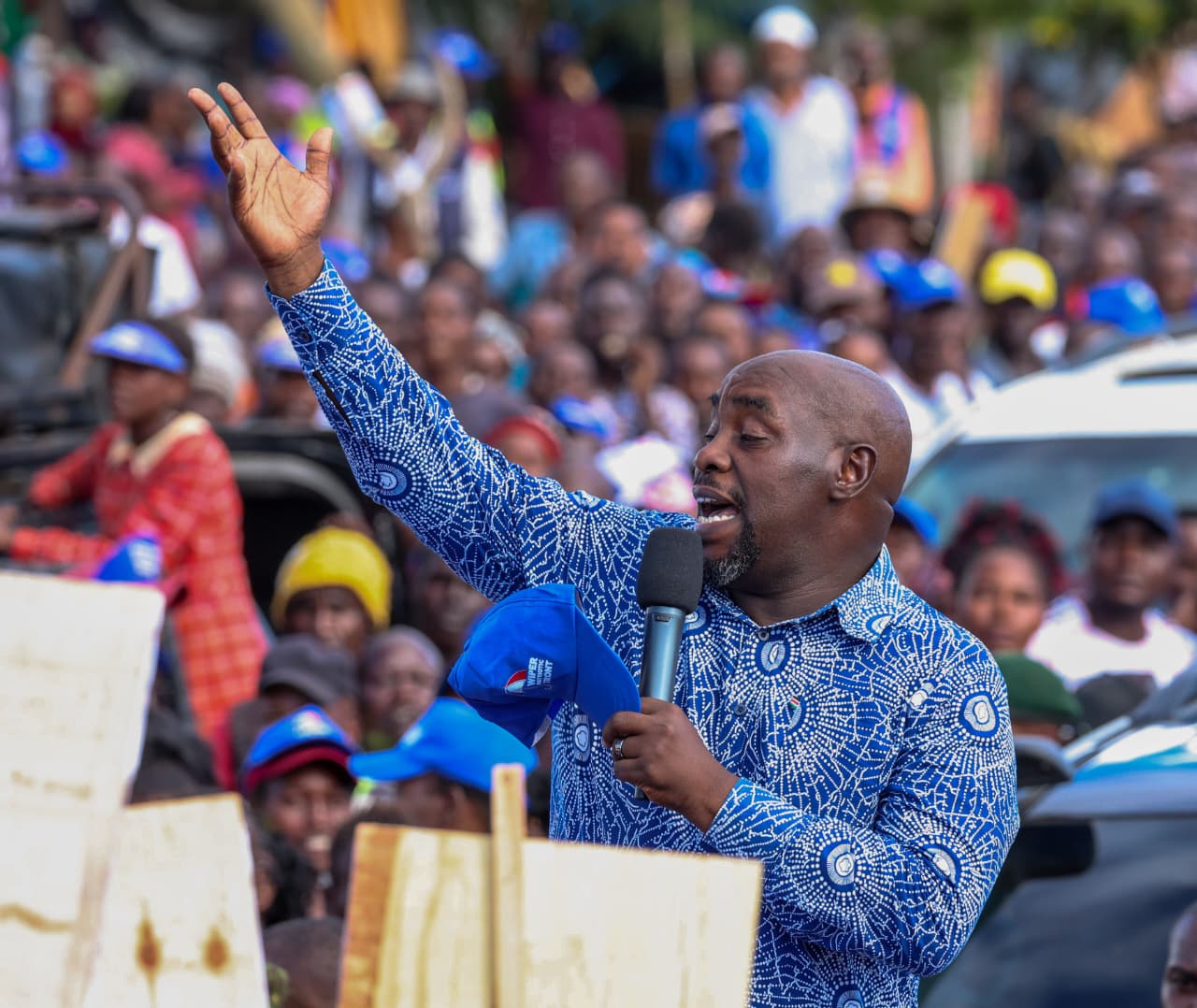
Nguni MCA Jeremiah Mutua, who is on an official trip to Rwanda, issued a statement condemning the killing.
He gave the government 12 hours to resolve the matter and bring those responsible to justice. He urged residents to remain calm as investigations continue.
“It is sad to receive reports that camel herders invaded my area in Katuuni village near Mwanzele and killed a schoolchild. I am on a work trip in Rwanda,” Mutua said.
As news of the killing spread rapidly on Tuesday evening, residents of Nguni and Mwingi town took to the streets in protest.
The demonstrators barricaded the Thika–Garissa highway, lighting bonfires and placing stones and logs on the road, disrupting transport for hours. Some buses had their windows smashed by the protesters.
Anti-riot police later intervened, dispersing the crowd with tear gas and clearing the highway of the barricades.
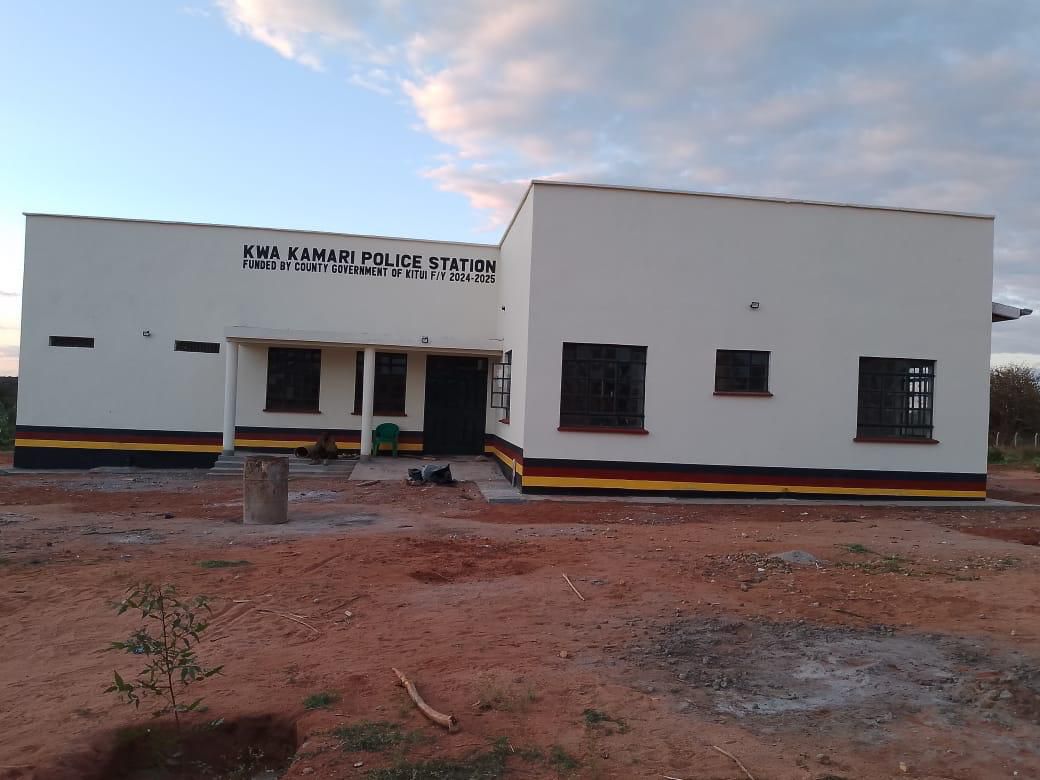
On Tuesday, Deputy Inspector General of the Kenya Police, Eliud Lagat, announced the upgrade of Kwa Kamari police station in Kitui to a fully fledged station.
The station had been operating as a post with few officers.
Lagat flew to the area in the company of General Service Unit Commandant Ranson Lolmodooni and assured members of the public of security.
He said all schools in the area would be provided with security as they prepare to reopen for the second term.
Lagat also ordered officers to remain alert to avert any future attacks, expedite investigations into the killings, and bring the perpetrators to book.
He said more officers will be posted to Kwa Kamari and Mashungwa police stations to boost security.
“We will make sure those behind the attack are held responsible,” he told residents.
Kitui Governor Julius Malombe had pushed for armed security personnel to be deployed to Kwa Kamari village in Tseikuru, Mwingi North.
This was after the killing of seven people on Saturday. The attackers also razed three shops, a petrol station and a motorcycle.
Following the daylight attack on Saturday, residents of Kwa Kamari and surrounding areas fled their homes, fearing further violence.
Police spokesman Michael Muchiri linked the violence to an escalating cycle of revenge attacks involving members of the Kamba and Somali communities.
According to the National Police Service, the violence started on March 29, when a 44-year-old Kamba herdsman was killed near Mwingi Game Reserve.
The following day, March 30, a suspected retaliatory attack left four members of the Somali community dead.
About a year ago, the Kitui county government constructed a modern police station at Kwa Kamari to help curb recurring inter-communal clashes between Kamba residents and camel-herding pastoralists.
However, the facility remained unused, locked and unoccupied.

Comments 0
Sign in to join the conversation
Sign In Create AccountNo comments yet. Be the first to share your thoughts!