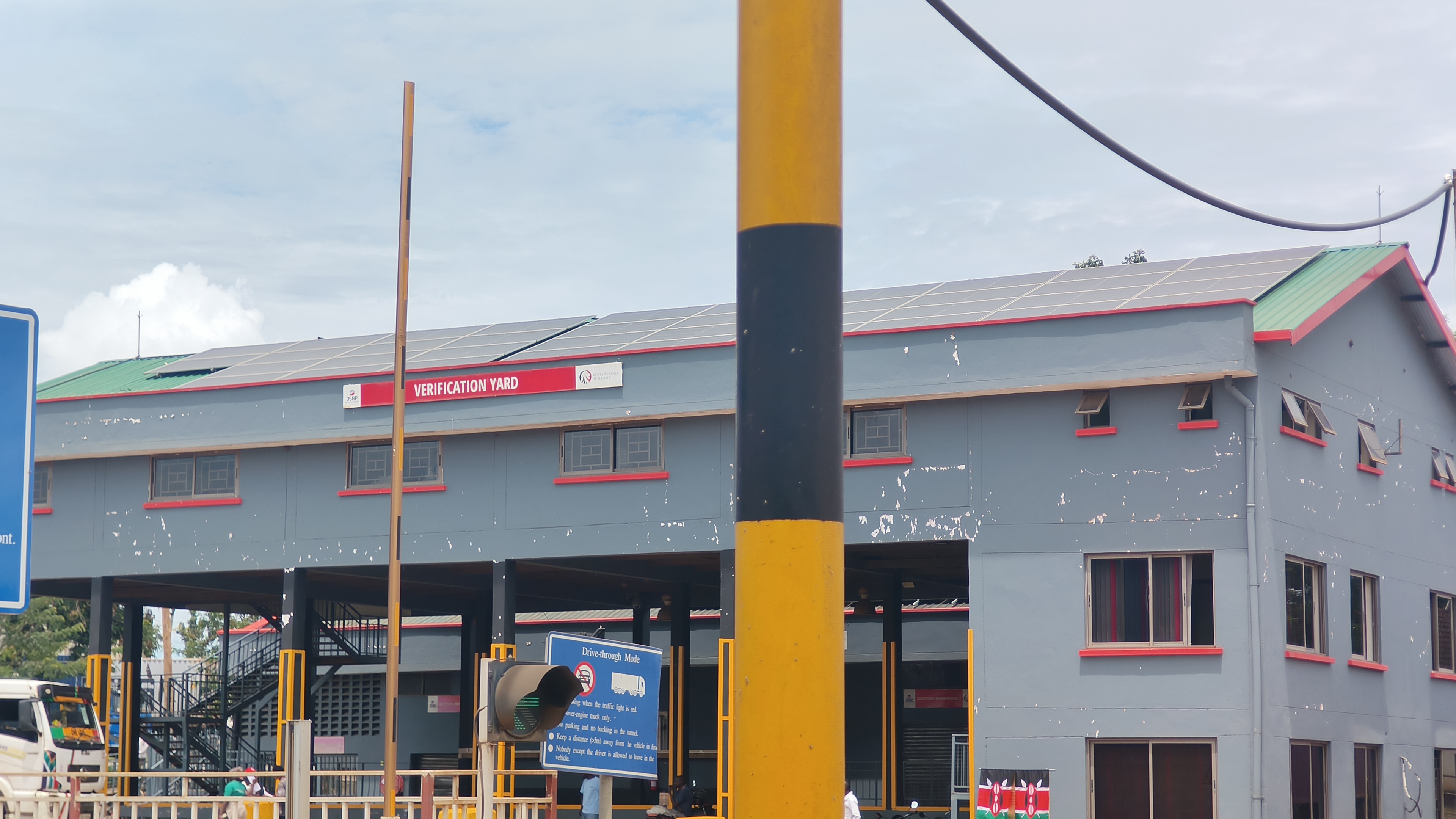
 A solar power system launched at the Malaba stop border post that will be generating 233,000 kilowatt-hours annually and meeting 78 per cent of the border office’s energy needs./KNA
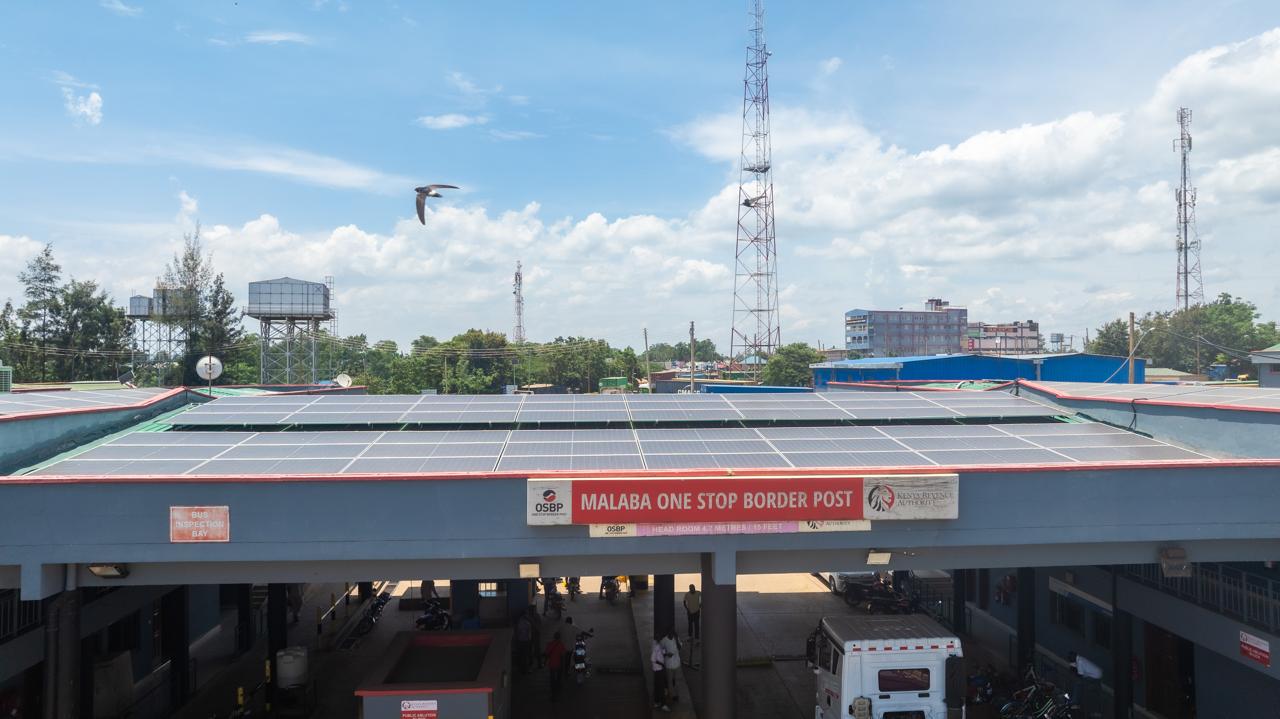 Malaba border post turns to solar to cut costs and boost trade efficiency. Faith Matete
 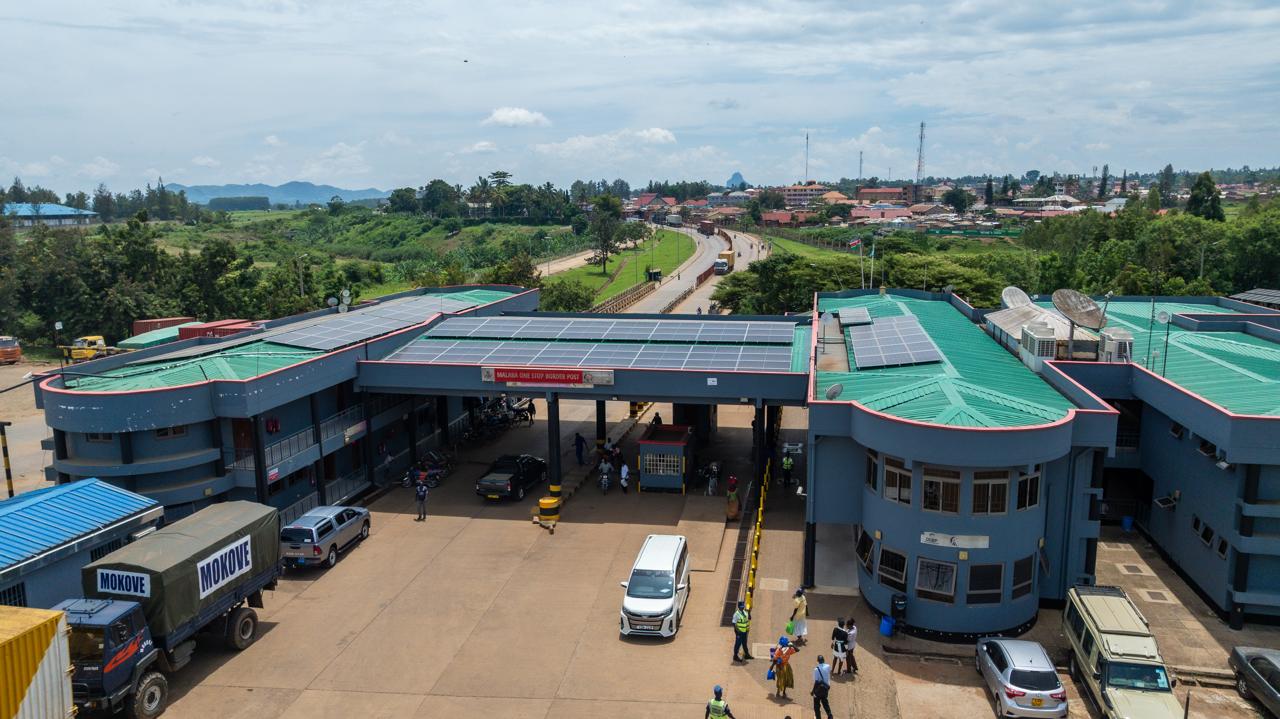 The Malaba border post turns to Solar to cut costs and boost trade efficiency. Faith Matete
The Kenya Revenue Authority (KRA), working with TradeMark Africa (TMA) and the Swedish government, has rolled out a solar power project at the Malaba One-Stop Border Post to improve efficiency and address persistent power challenges.
The initiative is expected to significantly lower electricity expenses at the busy crossing point along the Northern Corridor, with projections indicating up to a 90 per cent reduction in energy costs.
For years, Malaba has faced frequent power outages, sometimes lasting as long as eight hours, disrupting cargo clearance, exposing traders to insecurity, and creating opportunities for illicit trade.
Funded under the Swedish-backed Kenya Enhanced Trade Environment and Inclusion (KETEI) programme, the project introduces a hybrid solar system with battery storage.
The system is designed to support most operations at the border, producing more than 233,000 kilowatt-hours annually and supplying about 78 percent of the facility’s energy requirements.
This shift reduces dependence on the national grid and ensures more stable operations.
Speaking during the launch, Sweden’s Ambassador to Kenya, Håkan Åkesson, said the investment highlights the role of clean energy in strengthening trade infrastructure and public services.
He noted that the project reflects a shared commitment between Kenya and Sweden to promote sustainable development, adding that such initiatives are key to building resilient and climate-friendly systems as regional trade continues to expand.
KRA Deputy Commissioner for Risk Management George Aduwi said unreliable power had previously disrupted key systems, including cargo scanning, customs processes, and security operations.
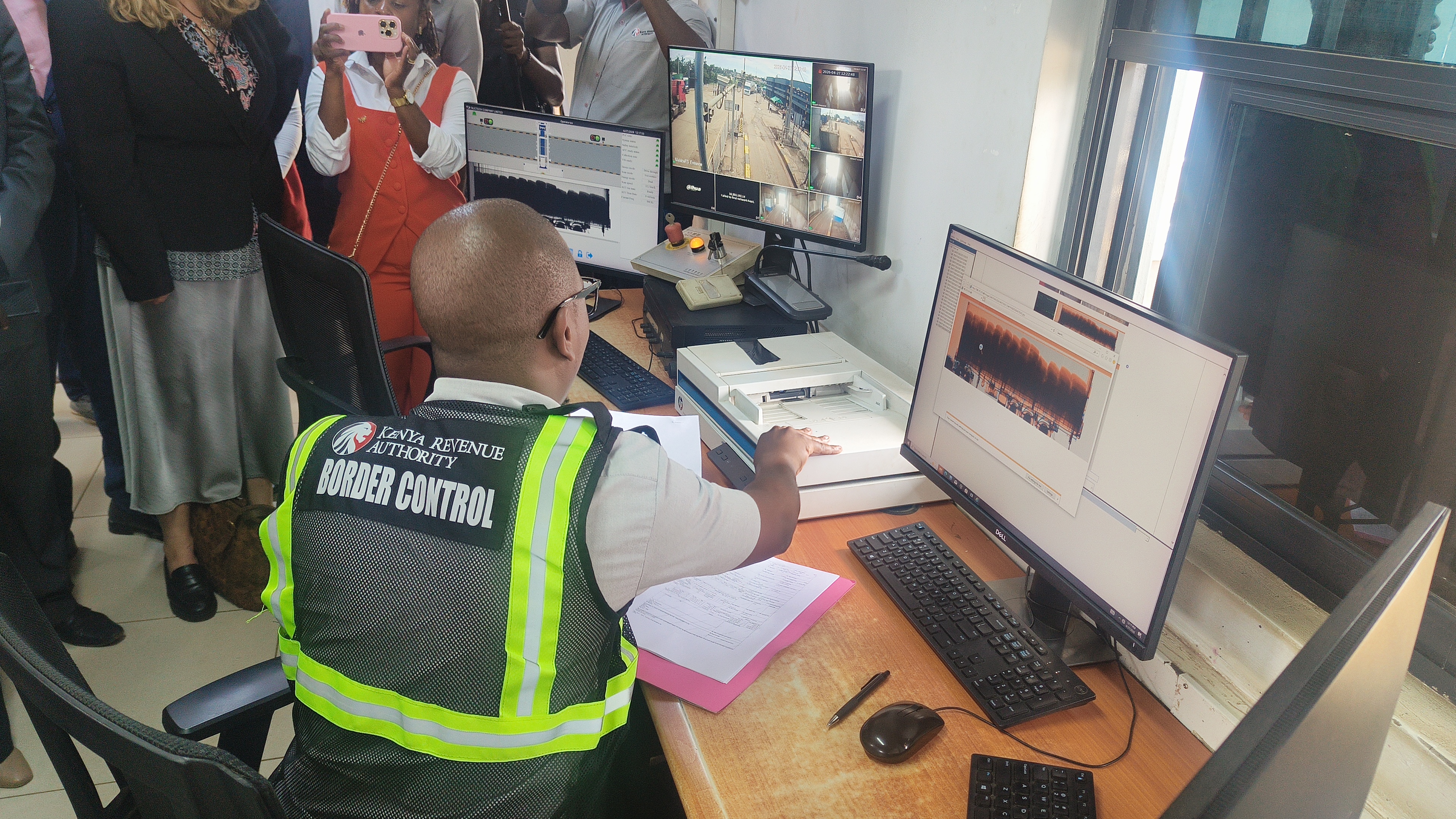 A border control official demonstrates how clearing of cargo takes place at the Malaba border enabling seamless movement of goods while enhancing cross-border trade./KNA
“With a more stable power supply, we expect smoother clearance processes, fewer delays, and more predictable movement of goods across the border,” Aduwi said.
He added that the transition to solar energy will also cut carbon emissions by over 2,000 tonnes in the coming years while reducing exposure to fluctuating fuel prices.
Beyond Malaba, a similar solar upgrade has been implemented at the Moyale One-Stop Border Post to enhance trade flow along the Lamu Port-South Sudan-Ethiopia Transport (LAPSSET) Corridor.
Previously, solar installations at Malaba were limited to individual buildings operating separately.
The new system integrates these into a single network, allowing power to be distributed more efficiently across the entire facility.
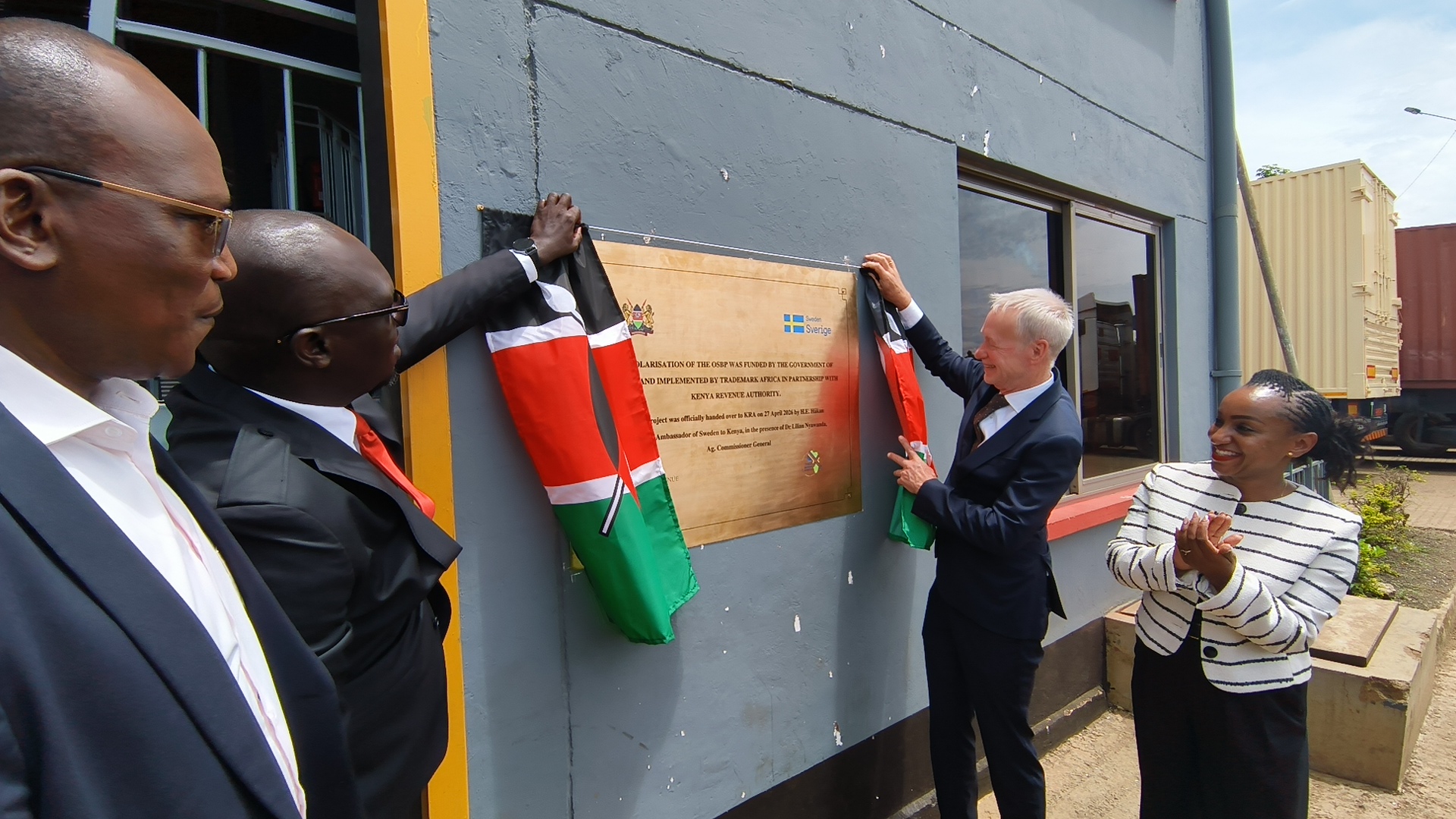 Sweden’s Ambassador to Kenya, Håkan Åkesson (right), joins officials in unveiling a plaque during the launch of a solar power system at the Malaba One-Stop Border Post, an initiative aimed at enhancing sustainable energy use and cross-border trade efficiency. /KNA
It also includes standalone solar-powered street lighting to improve visibility and security.
TradeMark Africa’s Kenya Country Director, Lillian Mwai, said the project is part of broader efforts under the KETEI programme to improve trade conditions while promoting green infrastructure.
She noted that by addressing practical challenges at border points, such investments are helping make cross-border trade more reliable, cost-effective, and aligned with the goals of the African Continental Free Trade Area.