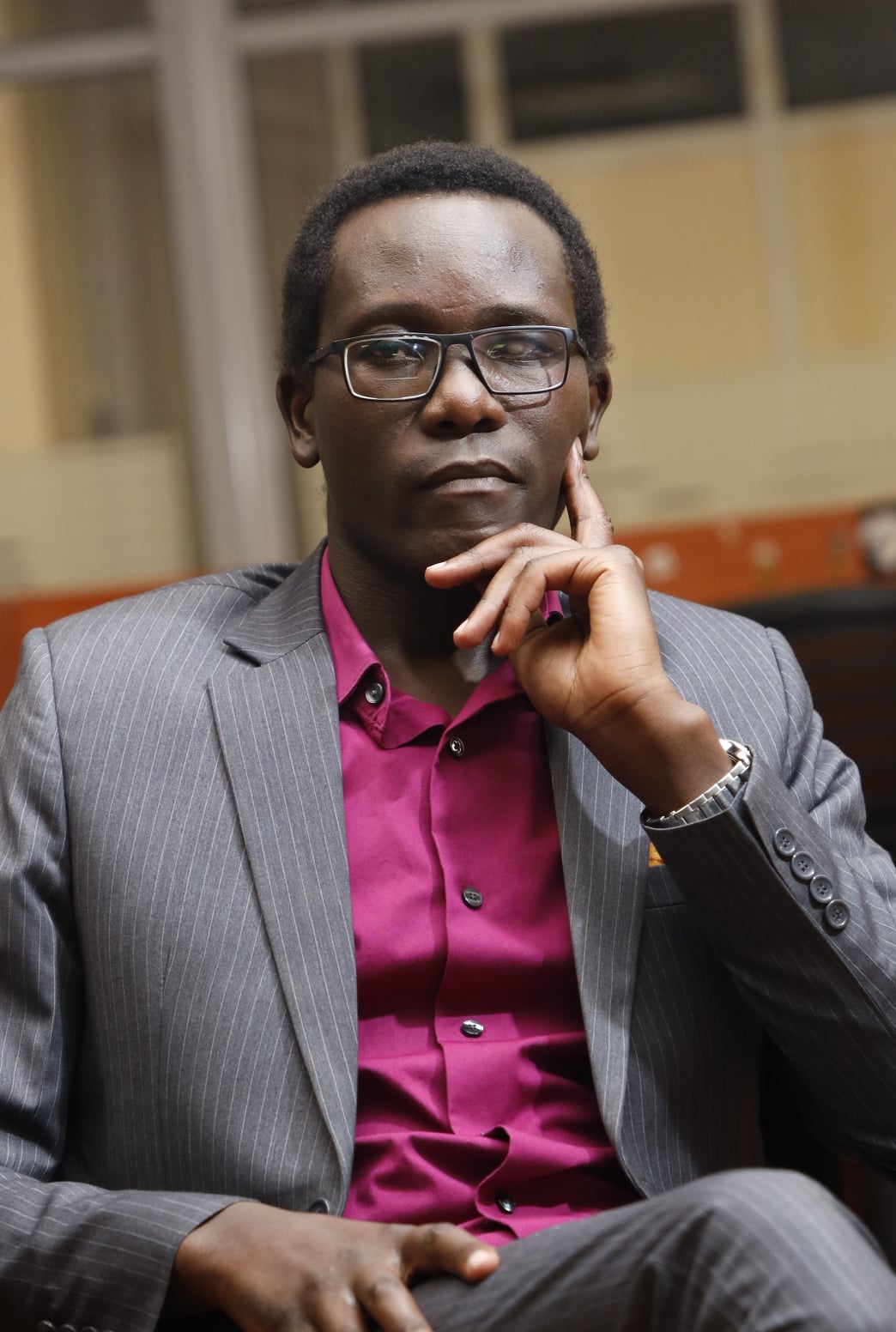
The race to replace the late Ol Kalou MP David Kiaraho has attracted at least 19 aspirants from the ruling United Democratic Alliance and Democracy for Citizens Party.
The high number of aspirants in the by-election reflects the high stakes in the battle for the control of Mt Kenya by the two parties ahead of the General Election in 2027.
At least 10 aspirants have expressed interest in the UDA ticket, while DCP has already attracted nine hopefuls.
The contest is turning out as one between the established UDA political machine and an emerging DCP in the battle for the soul of the vote-rich mountain.
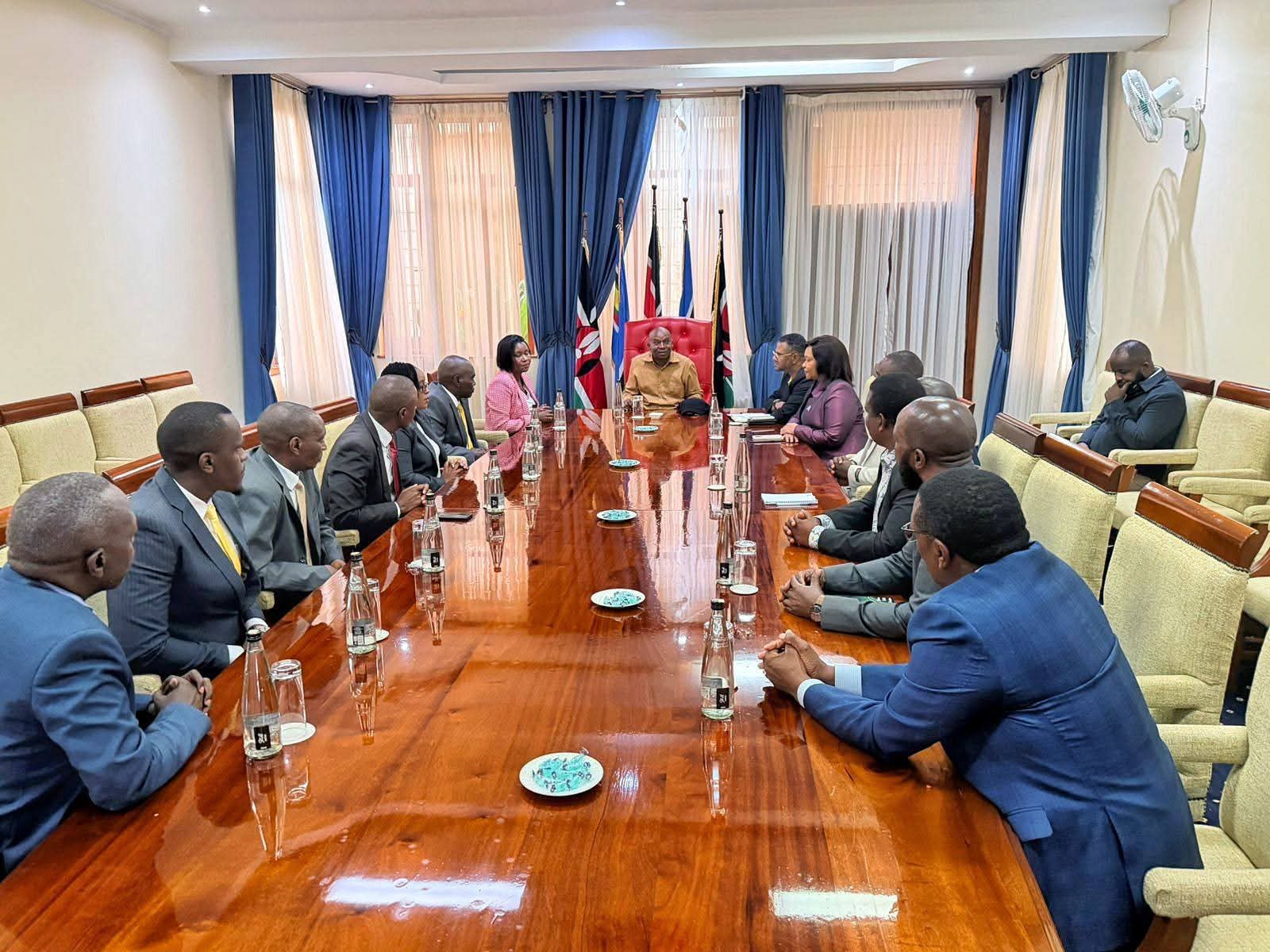
Deputy President Kithure Kindiki on Tuesday met the 10 UDA aspirants at his Karen residence.
Kindiki termed the huge number of aspirants as a sign of the party’s strength and internal democracy.
He, however, encouraged the aspirants to build consensus where possible, even as he assured the aspirants of free, fair and verifiable nominations.
“The UDA Party has now established itself as the party with the greatest transparency in internal democratic processes, and that tradition will be maintained in the Ol Kalou by election,” he said.
On the other side, DCP leader Rigathi Gachagua has also announced that his party will field a candidate in the by-elections, in what will offer DCP the first go against UDA in the Mt Kenya region.
“DCP will field a candidate. So far, we have nine candidates for the by-election and we want to give the people a chance to decide through a transparent nomination process,” he said, adding that the level of competition reflects growing confidence in the party.
While both camps are projecting strength, the near parity in aspirant numbers is what is drawing attention.
The 10 aspirants point to UDA’s established presence and status as the ruling party, signalling that, despite political undercurrents in the region, it remains the default platform for many politicians.
The party’s aspirants' forum held at State House, Nairobi, on February 4 attracted 12,353 aspirants from across the country.
“Rift Valley and Mt Kenya regions continue to lead with the highest number of fully paid-up aspirants, a clear sign of strong grassroots confidence and organisational strength,” UDA said in a statement after the meeting.
On the other hand, the attraction of nine aspirants for DCP, despite being a relatively new outfit, points to it fast-growing stature.
It suggests Gachagua’s influence is translating into tangible political interest on the ground.
“The numbers are significant because they show DCP is not just rhetoric, it is becoming a vehicle Mt Kenya politicians are willing to bet on,” political analyst Dennis Mwangi said.
“We have been seeing aspirants streaming to Wamunyoro and DCP offices, expressing interest to getting the ticket. Beyond Mt Kenya, you can see Millicent Omanga in Nairobi and Nelson Havi in Westlands also joining the fray.”
With such crowded fields, attention is now shifting to how each party will handle its nominations, a process that could ultimately determine the outcome of the by-election.
Both Kindiki and Gachagua have emphasised the need for credible primaries. Any mismanagement of the primaries could have a huge influence in the final outcome: Poorly handled nominations could trigger defections, independent candidacies or voter apathy.
“The real contest begins at the nomination stage,” analyst Joseph Mutua said.
“Whichever party manages its aspirants better, keeping losers within the fold, will have a clear advantage.”
This raises the stakes for both camps.
The Ol Kalou by-election is also expected to attract national attention once the Independent Electoral and Boundaries Commission announces the polling date.
But even before voters head to the ballot, the aspirant surge has already turned the contest into a barometer of political trends in Mt Kenya, which will have an implication in 2027 voting trends.