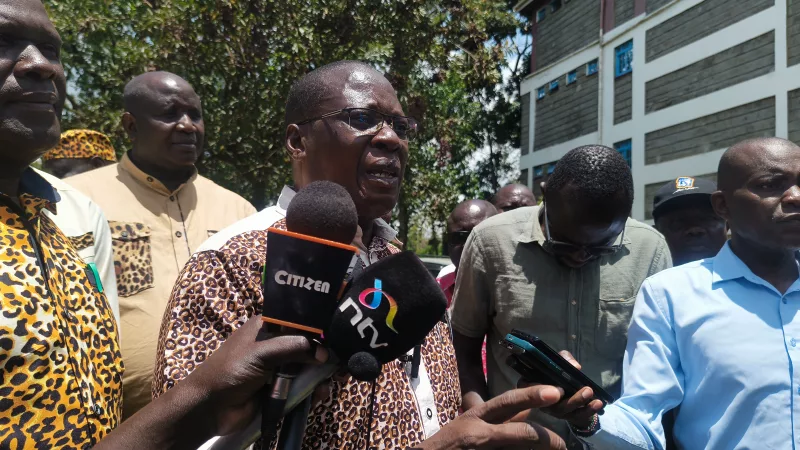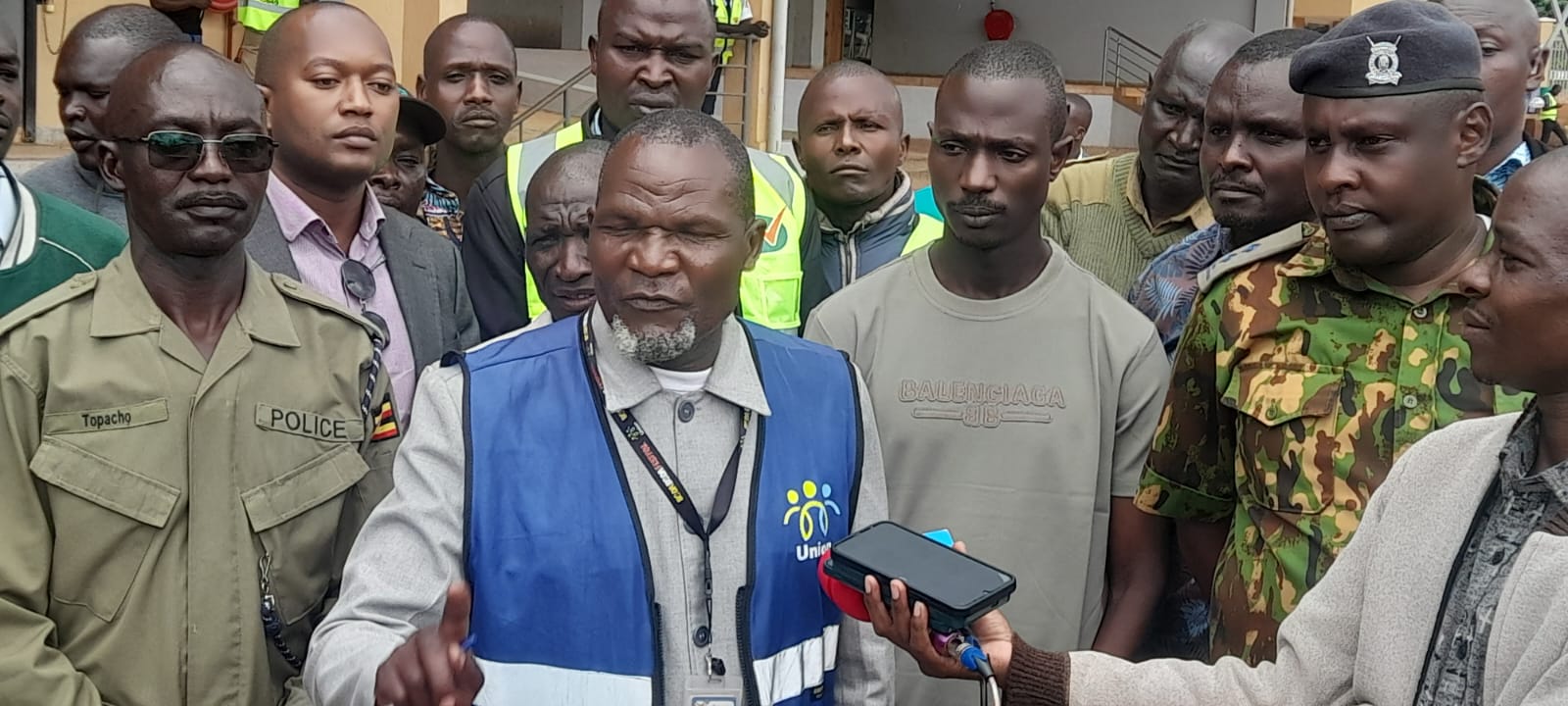
Security agencies from Kenya and Uganda, working with boda boda operators and financiers, have formed a joint committee to tackle the rising cases of cross-border motorcycle theft.
The team brings together police officers, boda boda leaders and asset financiers from both countries. It will focus on sharing intelligence to enable the quick tracking and recovery of stolen motorcycles moved across the border.
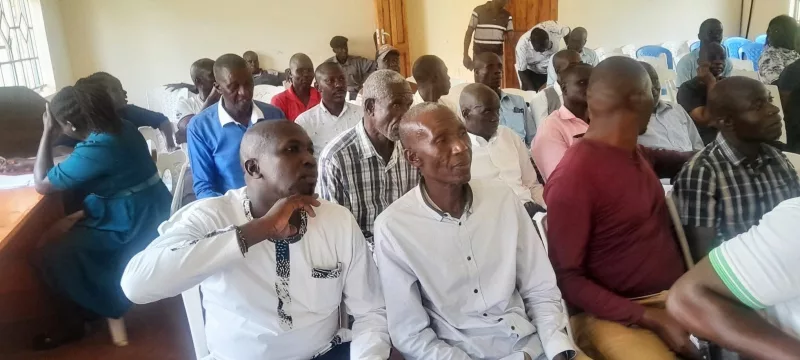
The agreement was reached during a joint Kenya–Uganda boda boda security meeting held at the Suam border point in Endebes, Trans Nzoia County. The forum, organised by Mogo, a motorcycle financier which operates in both countries in partnership with Boda Boda Safety Association of Kenya (BAK), aimed to address a growing threat that is depriving hundreds of riders of their livelihoods.
Participants revealed that suspects reportedly use multiple number plates from both countries, changing identities once they cross the border. Others tamper with chassis numbers soon after stealing motorcycles, making it harder to trace and recover them.
Riders also identified unlicensed scrap metal dealers as a key link in the chain, accusing them of buying dismantled motorcycle parts and fuelling the illegal trade.
Recently, two motorcycles were recovered in Uganda through the collaboration of security teams and boda boda operators after they were stolen from Nandi County in Kenya.
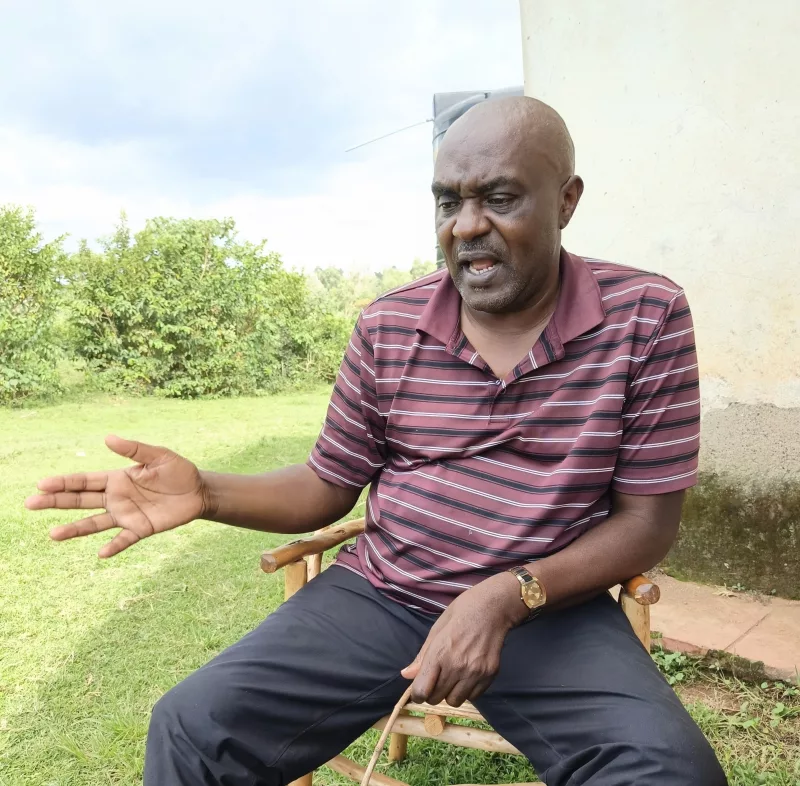
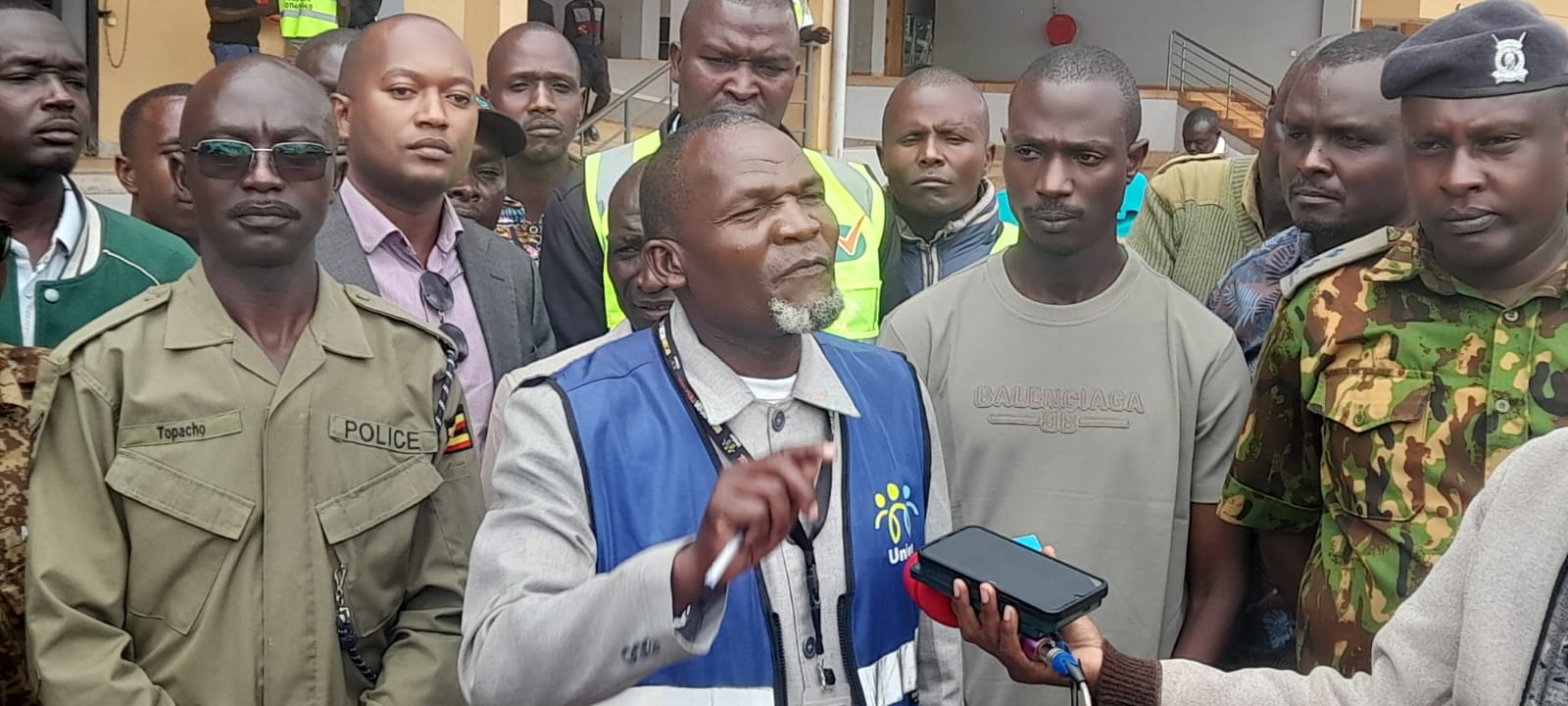
Security officers urged riders to take greater responsibility in preventing theft. Sgt Topacho Ronald, Acting Officer Commanding Suam Police Station in Uganda, said vigilance at the grassroots level is critical.
“Security begins with you. Report suspicious individuals to your area leaders. This is not ordinary theft; it is organised crime operating across borders. Do not leave your motorcycle with people you do not know,” he said.
He also warned riders to be cautious of customers who pressure them to exceed speed limits at border points, noting that such tactics are sometimes used by criminals.
His Kenyan
counterpart, Mr Eric Mutua, called for stricter checks when purchasing
second-hand motorcycles and encouraged operators to report suspicious behaviour
promptly. He also cited corruption at border points as a contributing factor,
with some suspects bribing officials to move stolen motorcycles across.
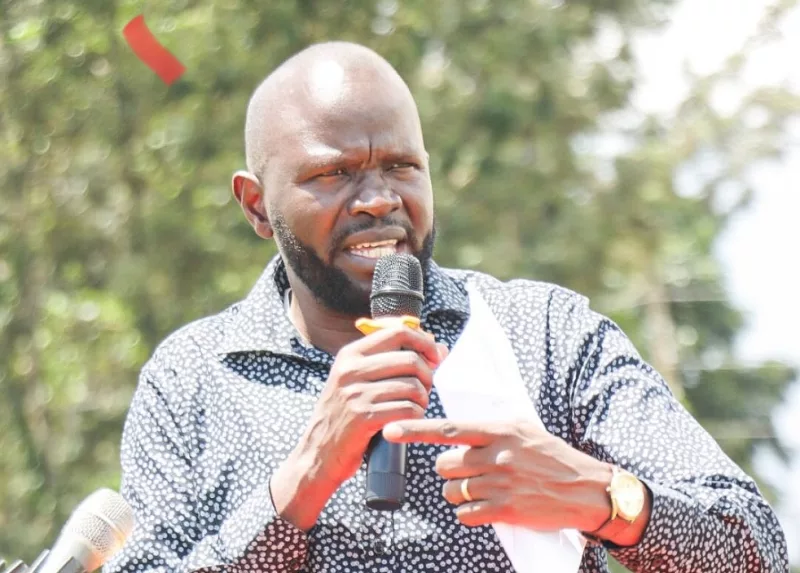
BAK Chairman Kevin Mubadi stressed the importance of timely information sharing between riders and security agencies.
“If operators work closely with the police and report incidents early, we can recover stolen motorcycles before they are dismantled. Collaboration is key to reducing this problem on both sides of the border,” he said.
Branton Mutea, Deputy Country Manager at Mogo Kenya, said cross-border cooperation will ease the burden on riders who depend on financed motorcycles for their income.
“Motorcycle theft has devastated many families and affected customers who rely on these assets for their livelihood. This partnership is a critical step in protecting them,” he said.
Stakeholders proposed several measures to strengthen prevention efforts. These include formal registration of all boda boda stages, the use of unique identification for riders, installation of tracking devices in engines to make tampering more difficult, and improved communication between Kenyan and Ugandan authorities. They also called for stricter enforcement against illegal scrap metal dealers and tighter surveillance of known smuggling routes, commonly referred to as “panya routes”.