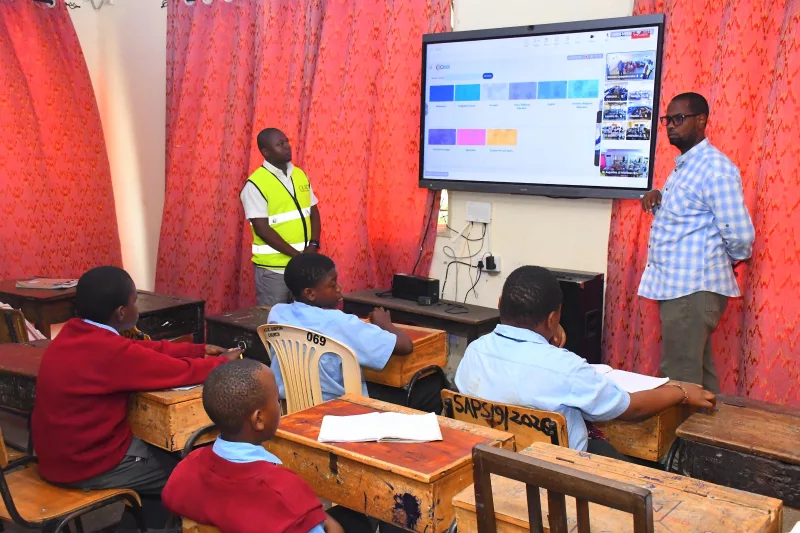
Science, Research and Innovation PS Shaukat Abdulrazak [2ND L] and TUM VC Leile Abubakar [R] at TUM on Tuesday / BRIAN OTIENO
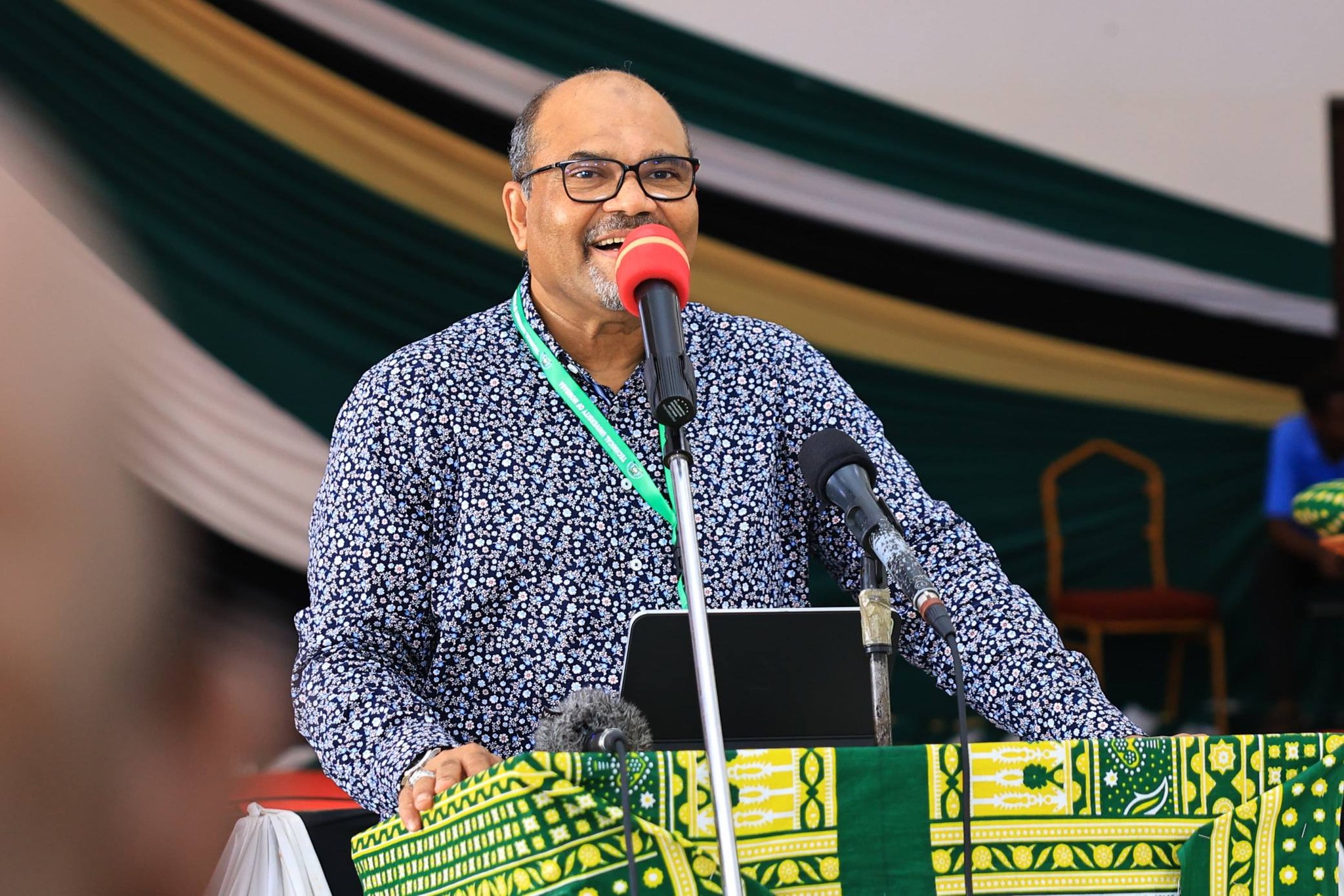
Science, Research and Innovation PS Shaukat Abdulrazak at TUM on Tuesday / BRIAN OTIENO
Kenyan researchers have been urged to prioritise practical innovation that directly addresses the country’s pressing socio-economic challenges.
Science, Research and Innovation PS Shaukat Abdulrazak said research should not only focus on discovery but must also generate interventions that address everyday problems.
“Research must go beyond the usual and drive solutions to everyday life challenges. We must be able to produce technology and minimise the consumption of technologies from outside,” he said.
He spoke at the Technical University of Mombasa during the 7th Multidisciplinary Conference on Tuesday.
The PS raised concern over post-harvest losses in Kenya, which he said stand at about 30 per cent of food produced.
He noted that this contributes to food insecurity, malnutrition and poor growth among children under five.
“So whatever research we do, we must be able to address that,” he said.
Abdulrazak noted that universities play a key role in addressing youth unemployment by moving innovations from laboratories into the market.
He said Kenya is not lacking development plans, adding that the priority now is to embed research as a key driver of structural economic transformation.
The government, he said, remains committed to supporting research and innovation and has called on the country’s more than 80 universities and 22 research institutions to work closely with it.
“The President has given the direction and the vision, and it is upon me and you to hold hands and take this country to the next level so that we can be at par, if not better than countries we were together with in the early 1960s,” he said.
He also challenged institutions in Mombasa not to use weather conditions as an excuse for underdevelopment.
“There are places hotter than Mombasa, such as Indonesia, Dubai and Malaysia, yet they are developing faster. Why don’t we create more fans, more air conditioners and outdoor cooling systems? Why don’t we find solutions using AI for the hot weather?” he posed.
Abdulrazak said the world is undergoing rapid disruption driven by technology, adding that Kenya must not be left behind in embracing artificial intelligence and digital transformation.
He noted that AI is already being used in areas such as cancer detection and other complex problem-solving applications.
He also cited innovations in the maritime sector, including student-led AI hackathons developing software to detect ghost workers, monitor employee attendance and support deep-sea exploration.
He further highlighted the Kenya Marine and Fisheries Research Institute’s underwater drone, capable of diving more than 100 metres, compared with human divers who can only reach about 40 metres.
“We must be able to look for the challenges in society and bring interventions through research and innovation,” he said.
Technical University of Mombasa Vice Chancellor Prof Leila Abubakar said the institution is committed to working with government and research bodies to develop solutions to societal challenges.
She said the university continues to support research and innovation among students and partners, adding that it remains focused on being a problem-solving institution.
“We are here for the benefit of the country,” she said.