The period after the birth of a first child often brings a subtle but significant change in relationships. What was once centred on shared time and emotional connection begins to shift towards caregiving, routines, and constant responsibility.
Read Also
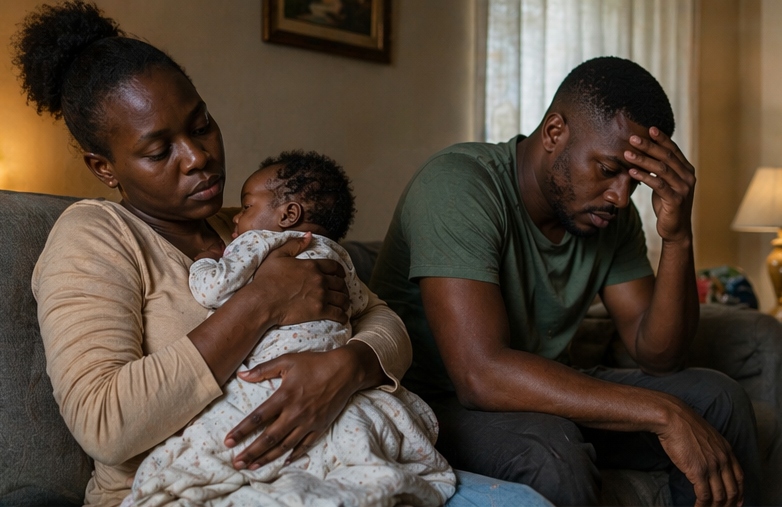 Parental fatigue // AI generated
The weight of new responsibilities
Common pressures include:
- Sleep deprivation
- Increased financial strain
- Uneven division of childcare
- Reduced personal and social time
Research suggests that up to 90% of couples report a drop in relationship satisfaction after having children.
 Financial strain // AI generated
When communication weakens
- Increased conflict
- Less emotional support
- Reduced quality time
ALSO READ: 6 reasons why you shouldn't have kids before tying the knot
Voices from married colleagues
To understand the reality behind the research, a small informal check-in with married colleagues in an office setting reflected similar experiences:
Jane Mwangi
“We were always tired. Even small issues felt big because we had no energy to talk properly.”
Peter Otieno
“I felt like everything became about the baby. We stopped checking in on each other.”
Aisha Hassan
“Money became a constant stress. It created tension we never had before.”
David Kimani
“We argued more about who was doing more. It felt unfair sometimes.”
Lucy Wanjiku
“It wasn’t one big problem. It was many small things adding up over time.”
Their responses point to a shared pattern — not a single breaking point, but a gradual build-up of pressure over time.
 Emotional distance // AI generated
A personal perspective on the headline
The idea that many couples part ways after their first child can sound stark, but it does not always tell the full story.
The shift that follows childbirth is real, but it is often less about relationships breaking and more about relationships being tested.
“It is not always about falling out of love, but about losing time, energy, and space to nurture it.”