According to the GSMA Mobile Economy Report 2026, operators are expanding 4G coverage, accelerating 5G rollouts and upgrading high-capacity fibre backhaul to handle the massive data volumes generated by AI-driven services.
“Operators in Africa are investing heavily in building digital infrastructure that can support the scale and complexity of AI applications,” GSMA said in the report.
AI technologies rely on the constant processing and movement of large datasets, placing far heavier demands on mobile networks than traditional digital services such as messaging or video streaming.
To cope with the rising load, telcos are also deploying edge computing infrastructure, which allows data to be processed closer to users rather than in distant global data centres.
This reduces delays and improves performance for AI-powered applications.
The surge in investment reflects the growing role of telecom networks as the backbone of Africa’s emerging AI ecosystem.
The ecosystem supports numerous applications, such as precision agriculture, connected health systems, automated manufacturing and digital financial services.
“These investments not only create the technical foundation for AI deployment but also help to overcome Africa’s unique constraints of affordability, geographic spread and uneven access to reliable digital infrastructure,” GSMA said.
Most of these investments were reported in 2025 by giant telcos operating in East, West and Southern Africa regions.
HOW KENYA IS FARING
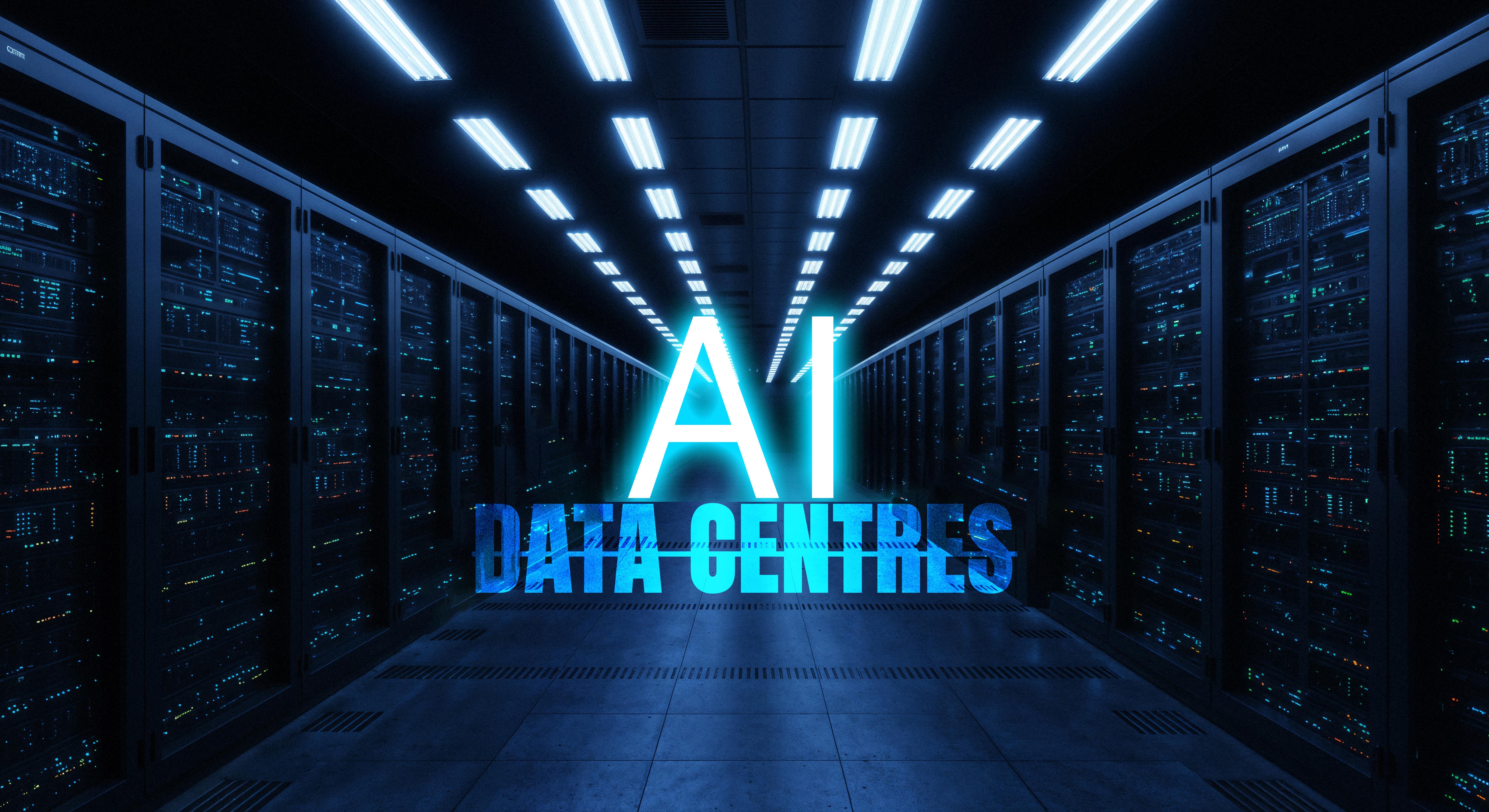
Kenya’s Safaricom entered a strategic partnership with IXAfrica, a hyperscale data centre operator, to provide what the companies described as East Africa’s first AI-ready data centre services.
The facility is billed to offer local computing power for enterprises and cloud service providers, reducing reliance on overseas data centres and improving the speed of AI-based services in the region.
The investment is among Safaricom’s quest to expand Kenya’s digital infrastructure as demand for cloud computing, data storage and AI-powered services grows.
In Nigeria, MTN launched the Sifiso Dabengwa Data Centre, a Tier III facility designed to support AI, cloud computing and enterprise digital services.
The centre, described as the largest data centre in West Africa, offers locally priced services in Nigerian Naira, a move aimed at making advanced computing capacity more accessible and cheaper to local companies and startups.
MTN said the facility will help Nigerian businesses compete globally in areas such as AI development, digital services and large-scale data processing.
Nigeria has become one of Africa’s fastest-growing digital markets, and demand for local data processing capacity has surged as more businesses adopt cloud-based and AI-driven services.
In South Africa, MTN also entered a strategic partnership with China Telecom and Huawei to strengthen its 5G networks, cloud services, artificial intelligence and Internet-of-Things technologies.
The collaboration aims to accelerate the development of digital solutions across industries, including mining, logistics and industrial automation, sectors where AI-powered monitoring and analytics are increasingly being used to improve efficiency and safety.
ENERGY DEMAND
As operators scale investments in infrastructure, AI experts argue that the sector also needs to confront a sharp rise in energy requirements.
Artificial intelligence systems, they said, consume vast computing power, particularly when training large machine-learning models and running complex real-time applications.
That computing power, Alliance4AI co-founder Alex Tsado said, is delivered through data centres and high-capacity networks that consume large amounts of electricity.
“AI is essentially an energy guzzler because the computing power required to train and run these models is extremely high,” said Tsado in an interview on the continent’s AI ecosystem.
Tsado warned that Africa’s AI ambitions will depend on expanding digital infrastructure and ensuring the continent has enough reliable and affordable power to support the technology.
“If Africa wants to build a competitive AI ecosystem, we must invest simultaneously in data infrastructure and energy infrastructure,” he said, noting that data centres and AI workloads are among the fastest-growing sources of electricity demand globally.
Beyond infrastructure investments, African telecom operators are also deploying AI internally to transform how their networks are designed and managed.
According to the GSMA report, operators are building in-house expertise in data science and machine learning, while deploying AI tools to automate network management and improve operational efficiency.
They are leveraging AI-driven systems for predictive maintenance, intelligent traffic management and automated fault detection, to identify problems before they disrupt services.