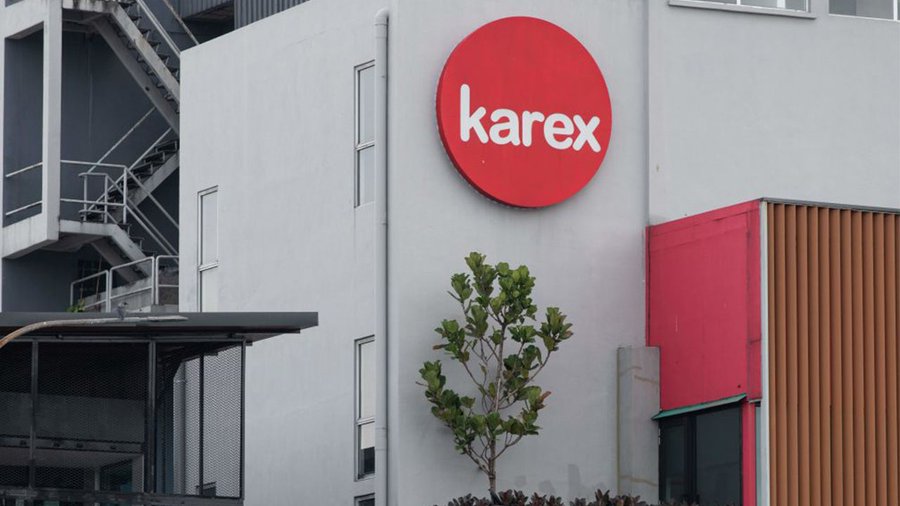
The world’s largest condom manufacturer, Karex, has announced plans to raise prices by about 30 per cent, with the possibility of further increases if disruption linked to the Iran war continues.
Rising costs across the supply chain
Read Also
Demand rises as supply tightens.
At the same time, demand for condoms has increased sharply.
- Global demand: up by about 30% in 2026
- Annual production: over 5 billion units
- Market share: about 20% of the global supply
Industry data shows that shipments to major markets such as Europe and the United States are now taking nearly twice as long to arrive, worsening shortages.
“We’re seeing more products sitting on vessels… but highly required,” Goh said.
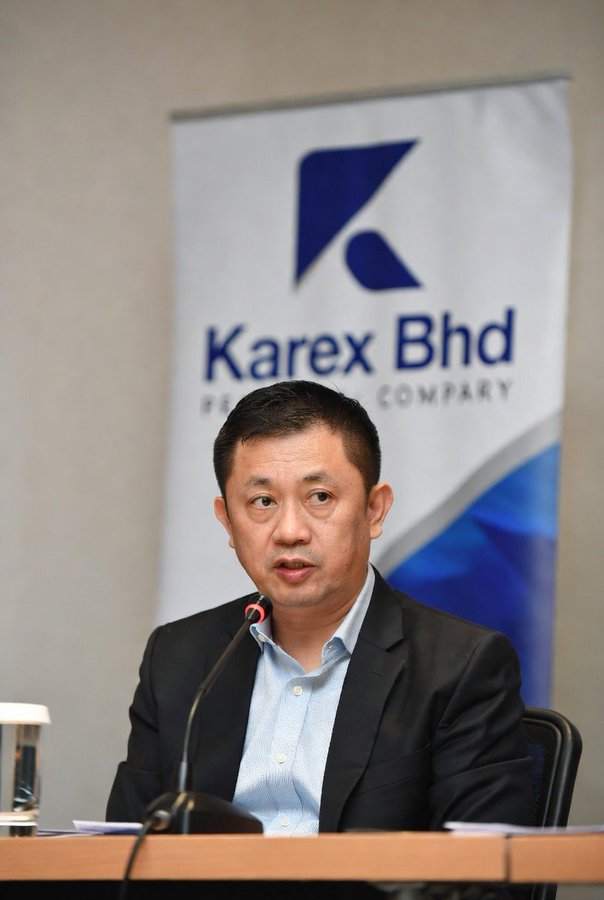 CEO Goh Miah Kiat // X
Wider economic ripple effects
The price increase reflects broader economic strain tied to the conflict.
The Iran war has disrupted energy and petrochemical flows, driving up costs across multiple industries and contributing to global inflationary pressure.
Karex, which supplies major brands such as Durex and supports public health programmes worldwide, said it still has enough raw materials for the short term but expects continued volatility.
Concerns for public health access
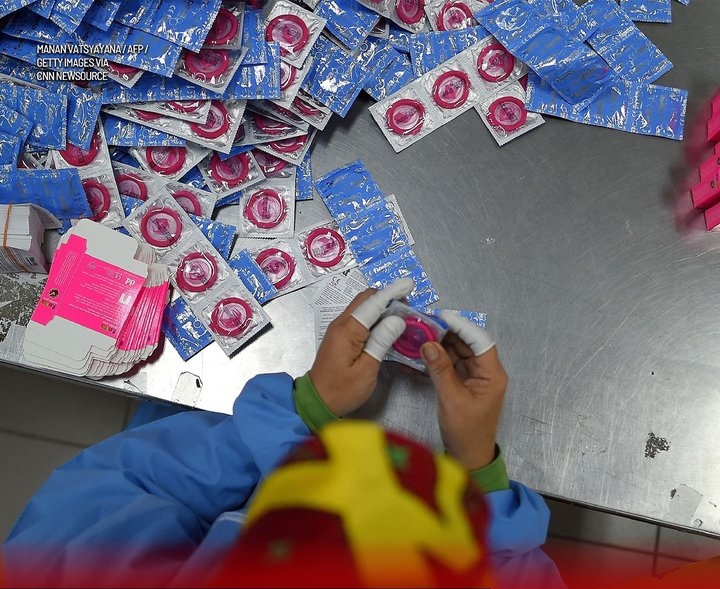
Experts warn that higher prices could affect access to contraceptives, particularly in low-income countries that rely on bulk procurement through aid programmes.
With condoms playing a key role in preventing sexually transmitted infections and unplanned pregnancies, sustained price increases may place additional strain on already stretched health systems.