Public Benefit Organisations, formerly non-governmental organisations, have to be creative and come up with income generating activities to cushion them from the reduced funding from foreign bodies, the government has advised.
The Public Benefit Organisation Regulatory Authority (PBORA) said with foreign donations now being reduced due to economic meltdowns across the globe, PBOs need to seek alternative sources of funding.
PBORA director general Laxmana Kiptoo on Saturday urged private companies and individuals of means to help by funding some of the programmes run by the PBOs.
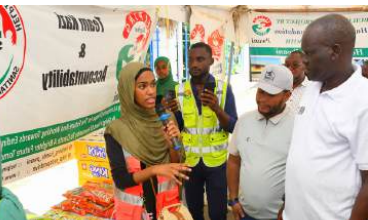
He said the government recognises the role the civil society plays in growing the economy. Kiptoo spoke in Mombasa in the culmination of the PBOs Week on Saturday.
According to the 2024-25 returns, the civil society sector contributed Sh246 billion to the economy.
However, Kiptoo said, 76 per cent of the money came from abroad.
“That is why we are asking private companies and individuals in the country should help these PBOs by funding them. They should be the donors and funders to these PBOs because we need to explore that,” he said.
Kiptoo said foreign donors are now looking inward and are no longer funding NGOs.
“You heard what Donald Trump said. America first. And they stopped their donations,” he said.
As a result, the civil society sector lost out, with many Kenyans losing their livelihoods because of that.
“We are urging our local enterprises, as a CSR [corporate social responsibility] they should donate to the PBOs that are working for the benefit of the public in Kenya,” Kiptoo said.
He said alternatively, PBOs should explore income generating activities provided the income generated goes back into the organisation to run programmes and not to benefit individuals involved in the organisations.
PBO laws do not allow personal gain. Any gains accrued should be ploughed back into the organisation.
He said the authority will also help such PBOs be allowed some tax exemptions through a special letter written to the Kenya Revenue Authority (KRA).
“This is so long as we prove that the resources brought into the country though the organisations will benefit the public and the underprivileged in the society," Kiptoo said.
“If you receive a donation from outside and that particular donation you are receiving is meant for charity, then you come to us and we will write for you a recommendation to KRA to say we recognise this organisation, it is registered under us, are doing charitable work, we recommend them for tax exemption.”
The authority can also help with recommendation to the immigration department in case an expatriate is coming into the country.
Kiptoo said NGOs are in transition and from May they will no longer be called NGOs but PBOs, according to the PBO Act of 2013, which President William Ruto directed it be implemented.
All NGOs need to familiarise themselves with the new laws, which were launched last week, and which will be effective from May 18.
Kiptoo said they are constituting a 15-member transition committee that will comprise eight members from the PBORA and seven members from the PBOs.
The committee will help with the transition from NGOs to PBOs.
“All PBOs which are already registered will transit automatically. There will be no need for new registration," Kiptoo said.
“For those that are not compliant and are yet to file their returns, they should use this remaining period to ensure all is in order. If you owe us, please pay us.”
The new laws have increased the period within which to file returns from three months to six months.
This means no PBO will claim to have been time barred when it comes to filing their returns.
“Filing your returns will enable us to know how much has come in to help the Coast region or how much the sector has contributed to the economy,” he said.