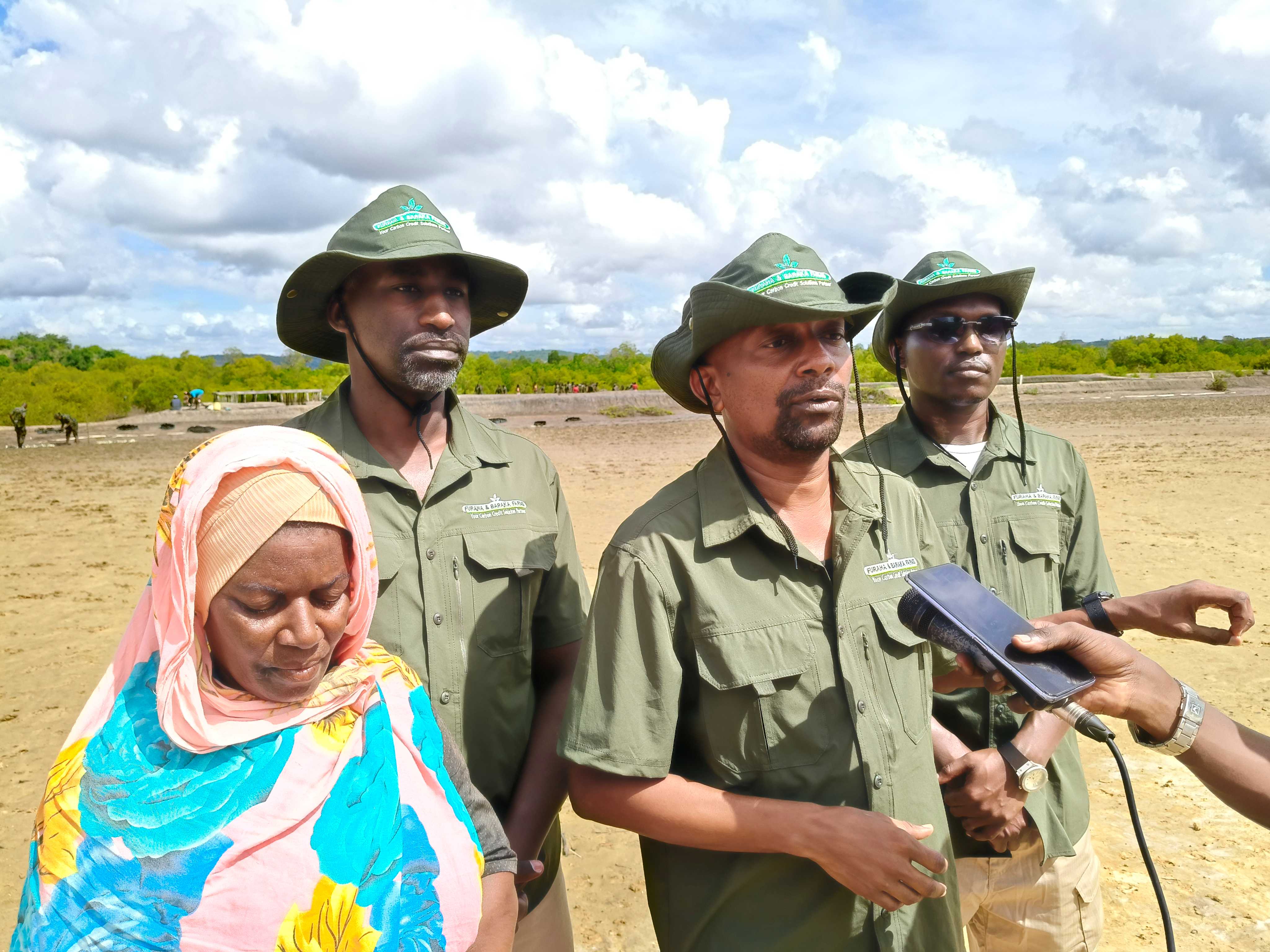
 Furaha and Baraka Farms CEO Daniel Mwero at Tsunza
in Kwale county on Friday / BRIAN OTIENO
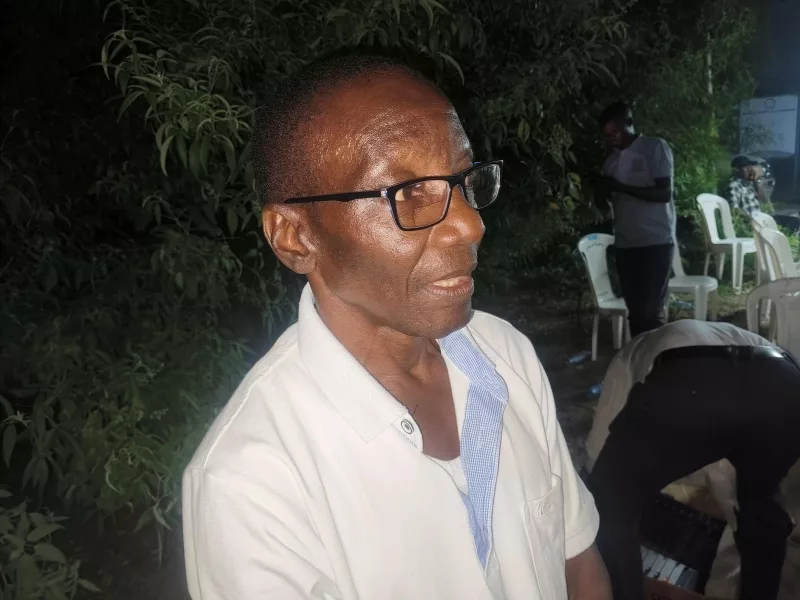
Furaha and Baraka Farms CEO Daniel Mwero at Tsunza
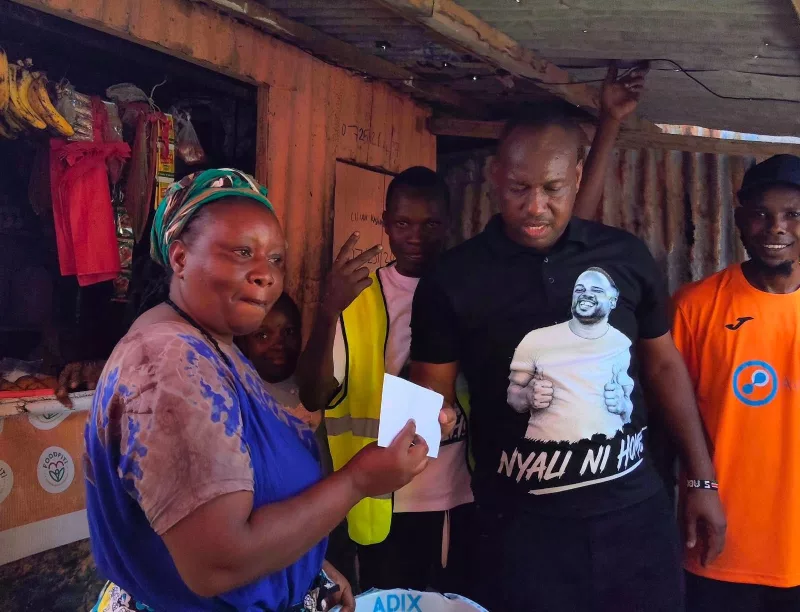
in Kwale county on Friday / BRIAN OTIENO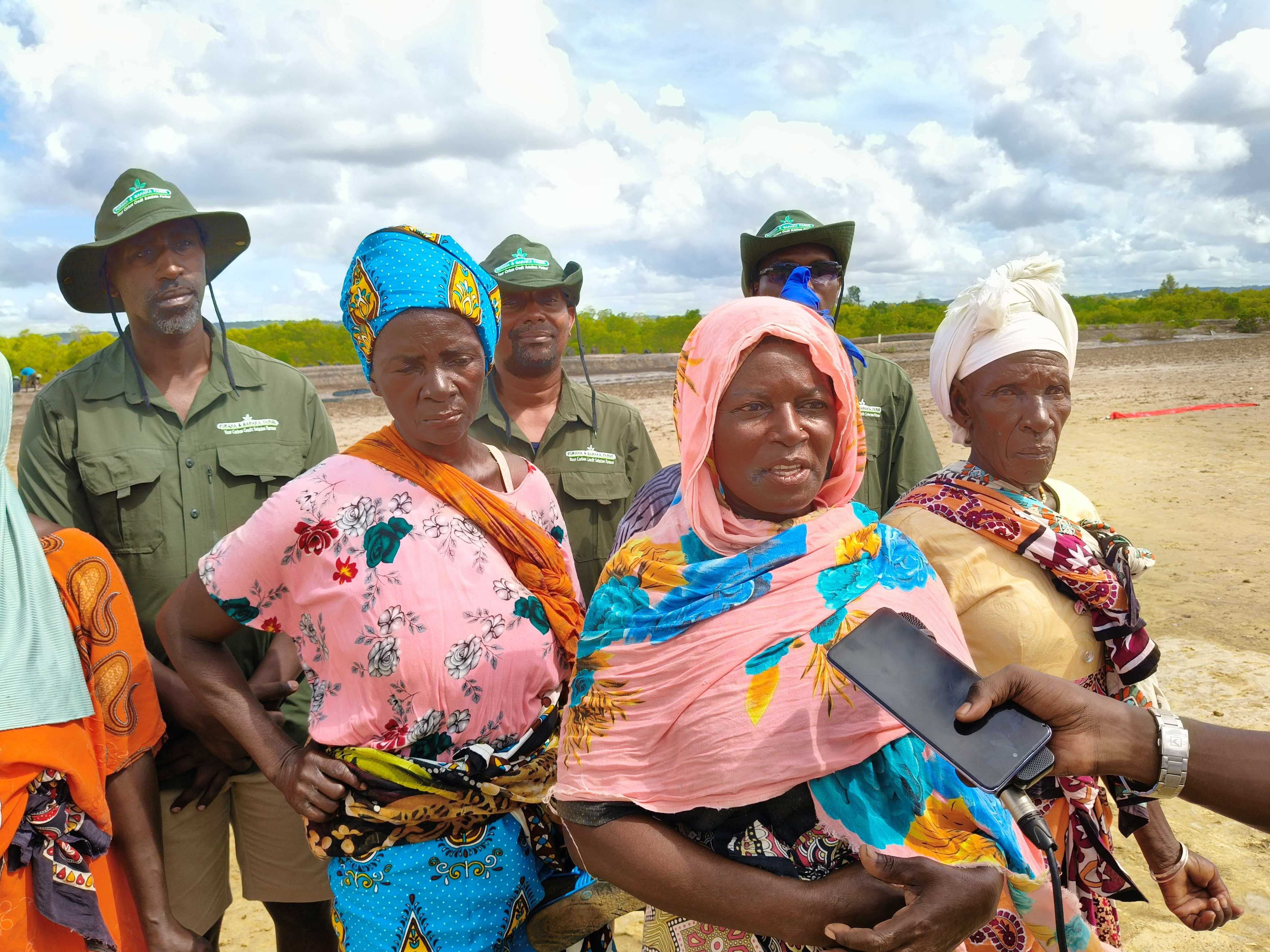 Mbeyu Nyamawi, a Tsunza resident, after planting
trees at Tsunza in Kwale county on Friday / BRIAN OTIENO
Mbeyu Nyamawi, a Tsunza resident, after planting
trees at Tsunza in Kwale county on Friday / BRIAN OTIENO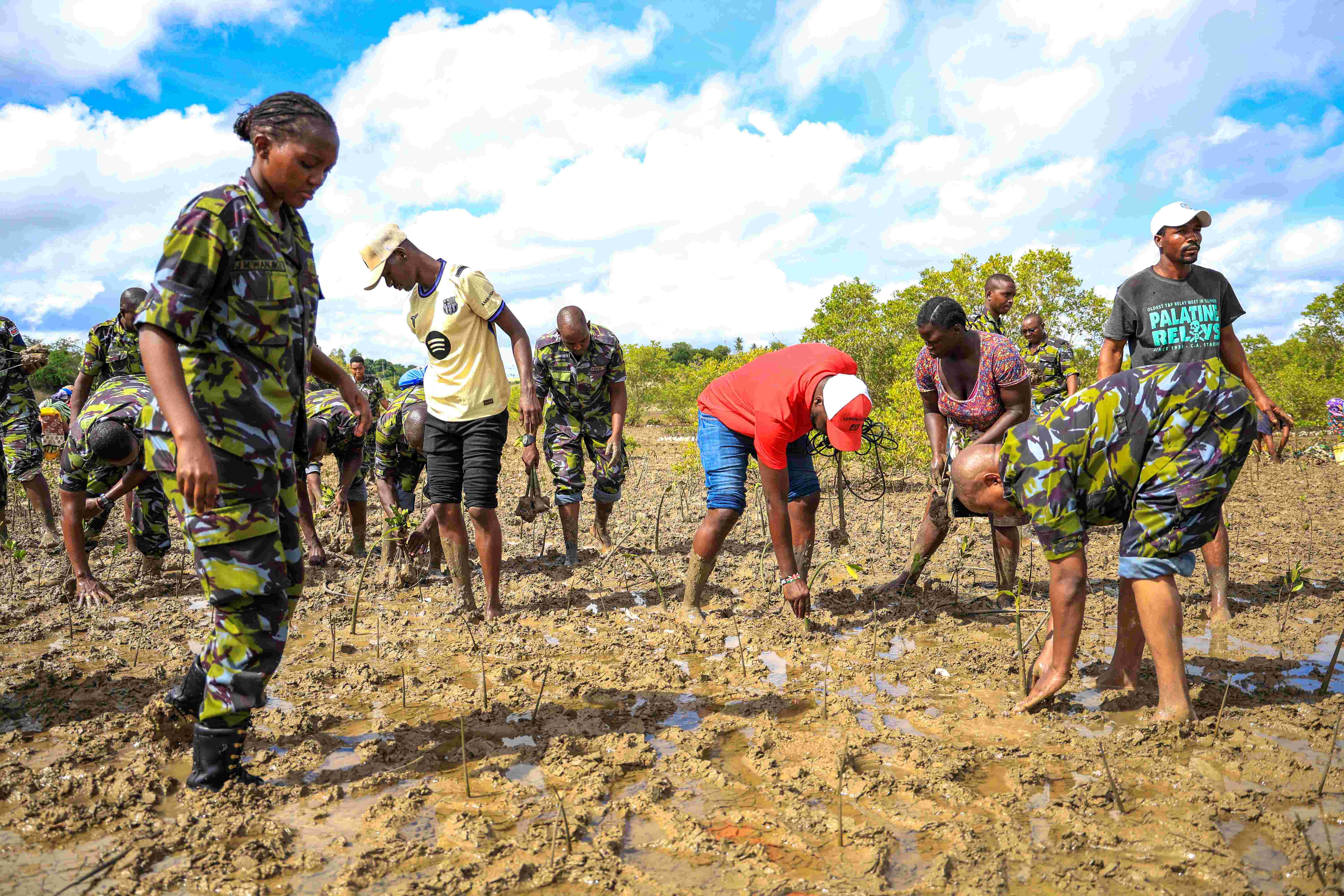 KDF personnel and Tsunza community members plant
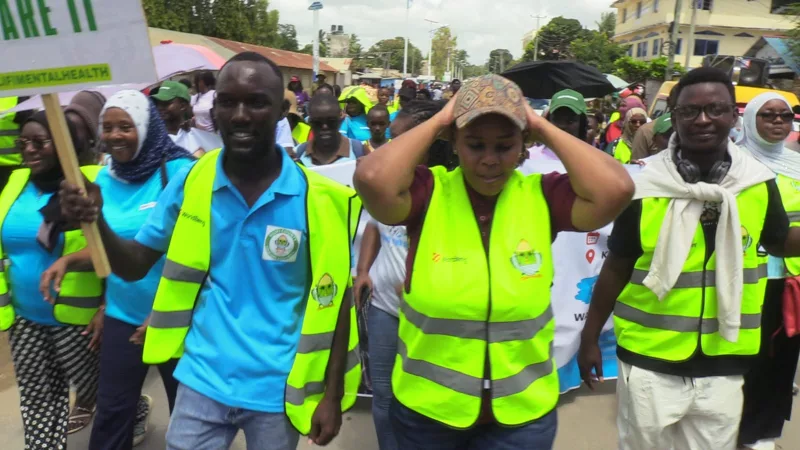
mangrove trees in Tsunza in Kwale county on Friday / BRIAN OTIENO
KDF personnel and Tsunza community members plant
mangrove trees in Tsunza in Kwale county on Friday / BRIAN OTIENOResidents of Tsunza in Kwale County on Friday called for greater corporate involvement in tree planting at the Coast to boost forest cover.
The residents said partnerships with corporate organisations motivate them to take better care of the trees planted jointly.
Mbeyu Nyamawi, a resident, said corporates buy their seedlings, helping them educate and feed their children.
"They buy at good prices. This motivates us and we take good care of the trees that we help them plant. In the end, it is a win-win situation,” said Nyamawi, a member of the Tsunza Beach Management Unit.
She said she is frustrated by people who cut down trees for timber and other uses, noting that this makes their work harder.
Nyamawi spoke after members of the Mwatsumbo Community Forest Association, in partnership with Furaha and Baraka Farms, Absa Life Insurance, the Kenya Forest Service and the Kenya Defence Forces, planted more than 40,000 mangrove trees in Tsunza.
The seedlings were provided by Absa Life Insurance.
Although coastal areas, including Lamu County, are among the most heavily forested regions, the forests remain fragmented and continue to face pressure from habitat conversion, timber harvesting and fuel needs.
Key coastal ecosystems, notably the Arabuko-Sokoke Forest and mangrove forests, which cover approximately 61,271 hectares, are crucial for biodiversity. However, they are facing degradation.
Furaha and Baraka Farms CEO Daniel Mwero said their aim is to expand tree-planting efforts in the region.
"This is our third year, and we have so far planted more than three million trees at the Coast in Vanga, Kwale, Majoreni, Kilifi and Tana River. In Kenya, we have planted almost 30 million,” Mwero said.
He said many mangroves have been destroyed by human activities and warned that continued destruction will lead to more climate change-related effects such as droughts and unpredictable storms.
"Mangroves also form breeding grounds for fish, meaning locals, apart from earning from corporates buying their seedlings, also benefit from an abundance of fish,” Mwero said.
He said after planting the mangroves, the organisation uses technology to monitor their progress.
"We have an app called the Furaha and Baraka App through which we monitor and report the progress of the planted trees. The app also reports on the carbon that has been sequestered over time,” the CEO said.
Furaha and Baraka Farms have been allocated about 3,000 hectares by the Kenya Forest Service across the country, 1,300 hectares of which are at the Coast.
He said they plant about 10,000 mangrove trees per hectare, meaning they are likely to plant 30 million trees at the Coast by the end of the project.
Mwero said the organisation is also operating in Tanzania, where it works closely with the Tanzania Forest Service, which allocates land for tree planting.
He added that they have signed a 15-year agreement with Google to help develop artificial intelligence models that will improve monitoring through their app.
Said Shaban, a member of the Mwatsumbo (Mwache, Tsunza, Mbuguni, Bonje) CFA, said mangrove trees also attract rainfall, protect land from storms and cyclones from the sea, and have medicinal value.
INSTANT ANALYSIS
Due to mangrove degradation, some areas bordering the Indian Ocean have become vulnerable to the adverse effects of typhoons, which occasionally hit coastal towns