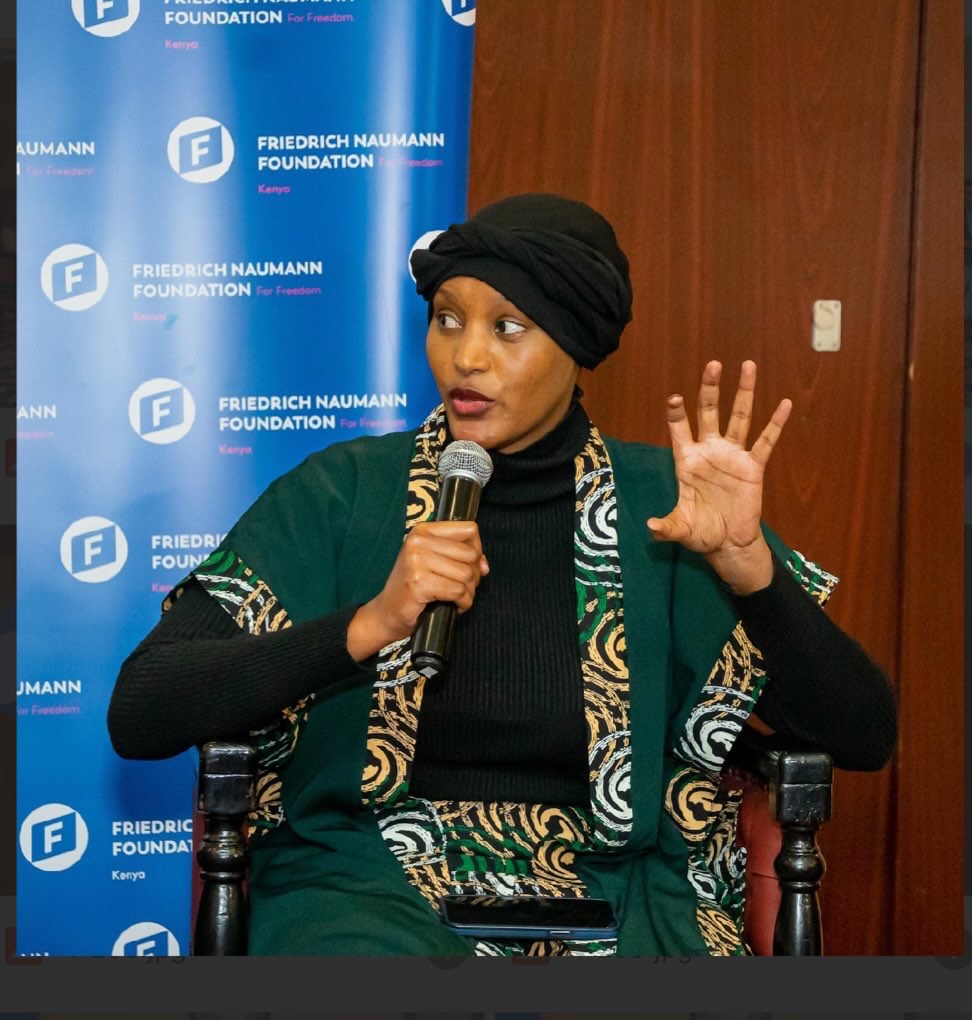
During the discussion, Hanifa questioned Orwoba about claims that she voted “Yes” on the controversial bill, which has been widely debated across the country.
The activist pressed the former senator to clarify her stance, insisting on accountability regarding her alleged vote.
Read Also
Enjoying this article?
Subscribe for unlimited access to premium sports coverage.
View Plans
“Do I Get an Apology?” — Orwoba Responds
In response, Orwoba denied the allegations and accused the activist of spreading the narrative over time.
“She has for years pushed that narrative. Do I get an apology?” Orwoba said during the interview.
Hanifa declined to apologise and continued to challenge Orwoba on the matter, leading to an increasingly tense exchange between the two.
Interview Cut Short as Tensions Escalate
As the disagreement intensified, Orwoba chose to leave the interview before its conclusion. The sudden exit interrupted the programme, leaving the hosts to proceed without her.ALSO READ: Sen. Gloria Orwoba Shares Insights About Her Love Life & Father of Her Child
Public Debate Around the Finance Bill Continues
The Finance Bill remains a contentious issue in Kenya, with ongoing discussions around taxation, governance, and political accountability. Public figures, including lawmakers and former leaders, continue to face scrutiny over their positions.
Mixed Reactions After Clip Circulates Online
Following the incident, clips from the interview circulated on social media platforms, drawing varied reactions from the public.
While some supported Orwoba’s decision to walk out, others criticised the move, calling for more direct engagement on the issue.
Neither Orwoba nor Hanifa issued an official statement immediately after the incident.
Background: How Lawmakers Voted on the Finance Bill in June–July 2024

The Finance Bill 2024 was introduced in May 2024 as part of the government’s plan to raise additional revenue through tax changes.
It was first considered by the National Assembly of Kenya, where Members of Parliament voted on it in stages.
During the Second Reading on 20 June 2024, “204 members voted for it, while 115 opposed it.”
The bill then proceeded to the Third Reading on 24 June 2024, where it was approved by Parliament despite ongoing nationwide protests.
Following its passage, protests escalated, including the storming of Parliament on 25 June 2024.
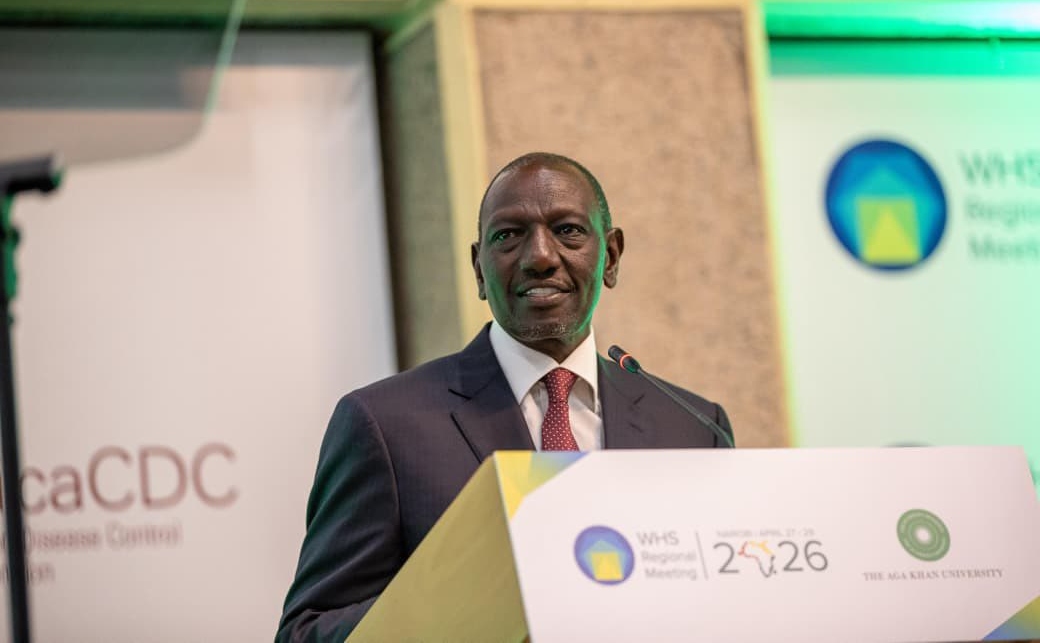
After the unrest, William Ruto declined to assent to the bill and sent it back, effectively halting its enactment.
In the Senate of Kenya, discussions in early July 2024 reflected the national tension surrounding the bill.
Senators addressed the aftermath of its passage, the protests, and the President’s decision to reject it, with some clarifying that their positions had been misrepresented in public discourse.
The period was marked by heightened public scrutiny of how legislators voted, with “Yes” votes in the National Assembly becoming a key point of contention among citizens and activists.





Comments 0
Sign in to join the conversation
Sign In Create AccountNo comments yet. Be the first to share your thoughts!