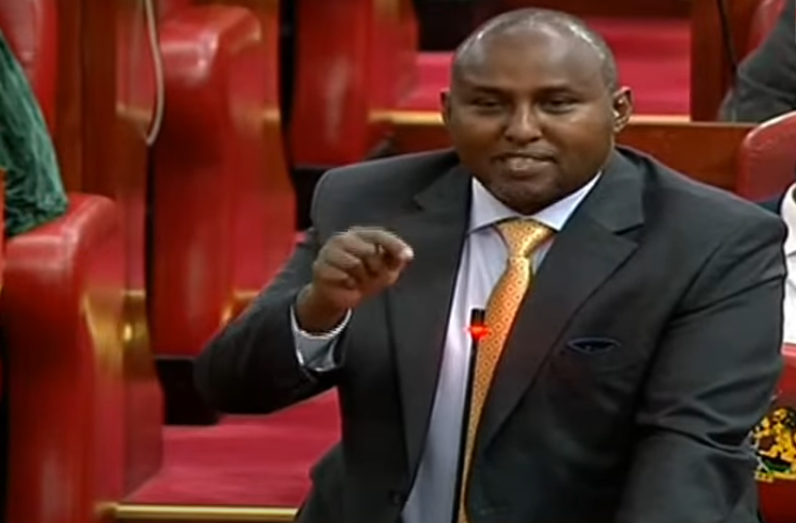
 Energy Cabinet Secretary Opiyo Wandayi /OPIYO WANDAYI/X
Energy Cabinet Secretary Opiyo Wandayi has sought to calm public concern following a sharp rise in fuel prices, assuring Kenyans that the government has deployed measures to cushion consumers from the economic impact.
Speaking on Wednesday, a day after the Energy and Petroleum Regulatory Authority (Epra) announced the new prices, Wandayi said the government had already intervened to prevent a worse outcome.
He said President William Ruto authorised the use of Sh6.2 billion from the Petroleum Development Levy to stabilise pump prices.
“You all saw that fuel prices went up yesterday, but don’t worry. Even though the prices increased the way they did, the national government made strategic interventions. First, we imposed a Sh6.2 billion subsidy; otherwise, prices would have skyrocketed even higher,” Wandayi said.
In a late Tuesday announcement following a day-long wait, Epra confirmed that the maximum retail prices for Super Petrol and Diesel rose by Sh28.69 and Sh40.30 per litre respectively, while kerosene prices remained unchanged.
Acting director general Joseph Oketch said the new prices will take effect from April 15 to May 14.
Oketch said Value Added Tax on petroleum products has been reduced from 16 per cent to 13 per cent, a move aimed at cushioning consumers from rising landed costs driven by global market pressures.
The adjustment aligns with revised excise duty rates indexed to inflation.
“The government will further cushion consumers through the Petroleum Development Levy Fund by utilising approximately Sh6.2 billion to stabilise pump prices,” he said.
Epra attributed the price increases to a surge in the average landed cost of imported fuel, with Super Petrol rising by 41.53 per cent, diesel by 68.72 per cent, and kerosene by 105.15 per cent per cubic metre in the month of March.
Wandayi said the three-percentage-point VAT reduction will remain in place for the next three months, as the government anticipates sustained pressure on global oil prices due to geopolitical tensions in the Middle East.
He said the government deliberately held kerosene prices steady, citing its importance to low-income households.
The surge in fuel prices has been linked to escalating global crude oil costs, largely driven by tensions between the US and Iran, which have disrupted supply chains and pushed prices above $100 per barrel.
The situation has been worsened by bottlenecks at the Strait of Hormuz, a critical maritime corridor through which about 20 per cent of the world’s oil shipments pass.
Locally, the price hike has already triggered concern among transport operators, who on Wednesday announced a 30 per cent increase in transport costs, potentially driving up the cost of living across the economy.
Taxi-hailing companies, on the other hand, under the Organisation of Online Drivers (OOD) umbrella body, have already set the baseline cost for short trips of up to three kilometres at Sh450, signalling the immediate ripple effect on urban commuters.