The debate over whether parents should continue supporting their children after they start working is increasingly shaping family conversations.
What Research Shows
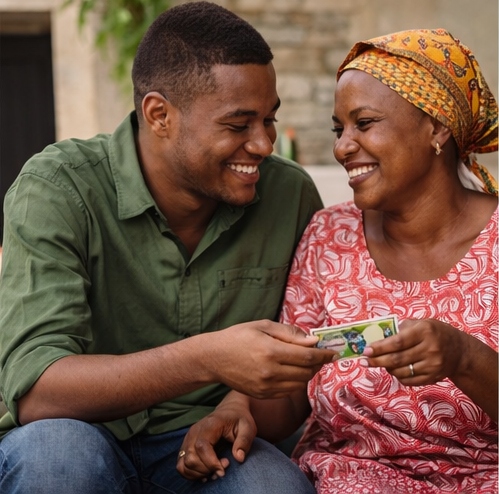
Voices From Individuals
To understand how people view this issue, five individuals shared their experiences and opinions.
1. Brian, 52, parent
“If they are trying and still struggling, why should I step back? Life is harder now than it was for us.”
2. Sharon, 27, employed
“My salary covers basics, but not everything. Knowing my parents can step in gives me peace of mind.”
3. Kevin, 45, parent
“I will help, but they must show responsibility. Support should not become comfort.”
4. Aisha, 30, employed
“We support each other. I pay some bills, but if I’m stuck, my parents step in.”
5. Lydia, 60, parent
“You don’t stop being a parent because your child got a job. Support changes, but it doesn’t end.”

A Blurred Line Between Help and Dependence
ALSO READ: Preparing for the Third Term: Essential Tips for Parents
“Support today is less about dependence and more about survival.”

My Perspective
In my view, parents should support their children regardless of age. Employment does not always guarantee financial stability, especially in today’s economy.
Support does not have to mean full dependence. It can take different forms—guidance, shared responsibilities, or occasional financial help. What matters is recognising that challenges do not end once someone starts earning.
Parents should remain a safety net, not a last resort.
The Bigger Picture
The idea of independence is evolving. Instead of a clear-cut-off point, many families are embracing a model of shared support.
As economic pressures continue, the question may no longer be whether parents should help—but how families can support each other in a sustainable way.