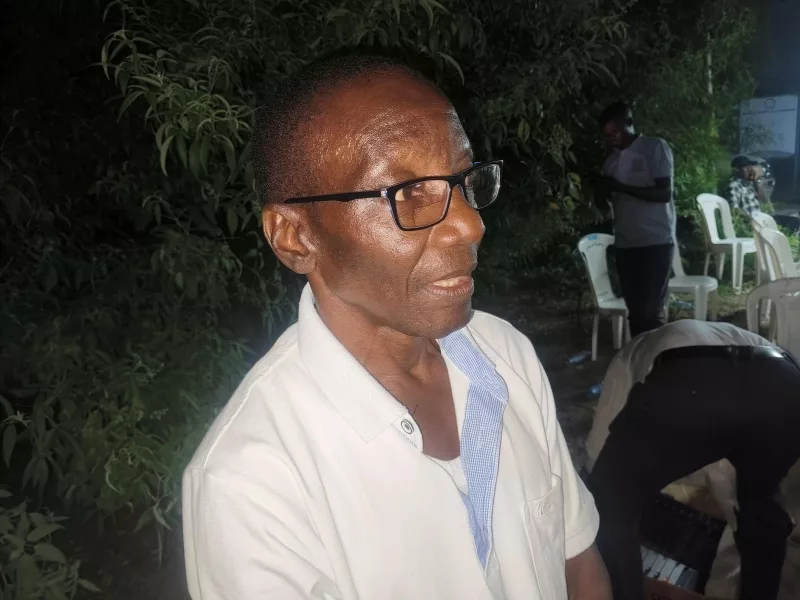
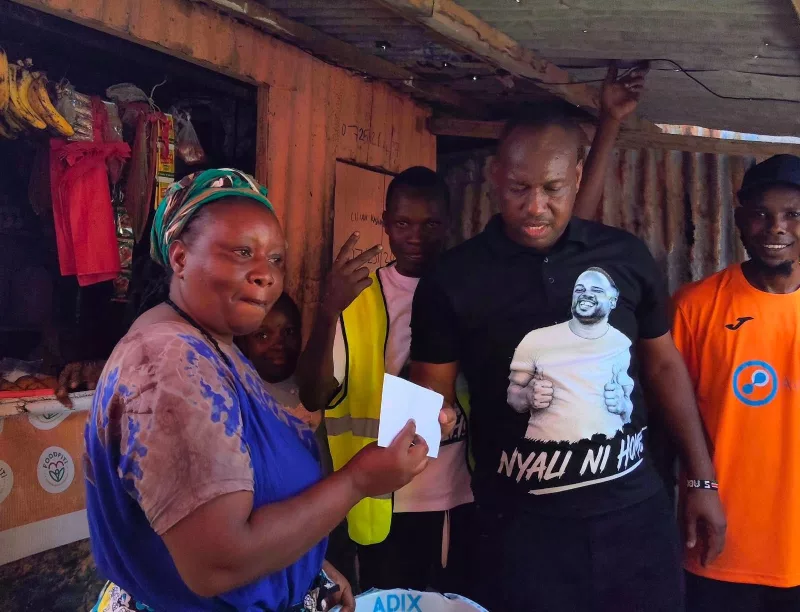
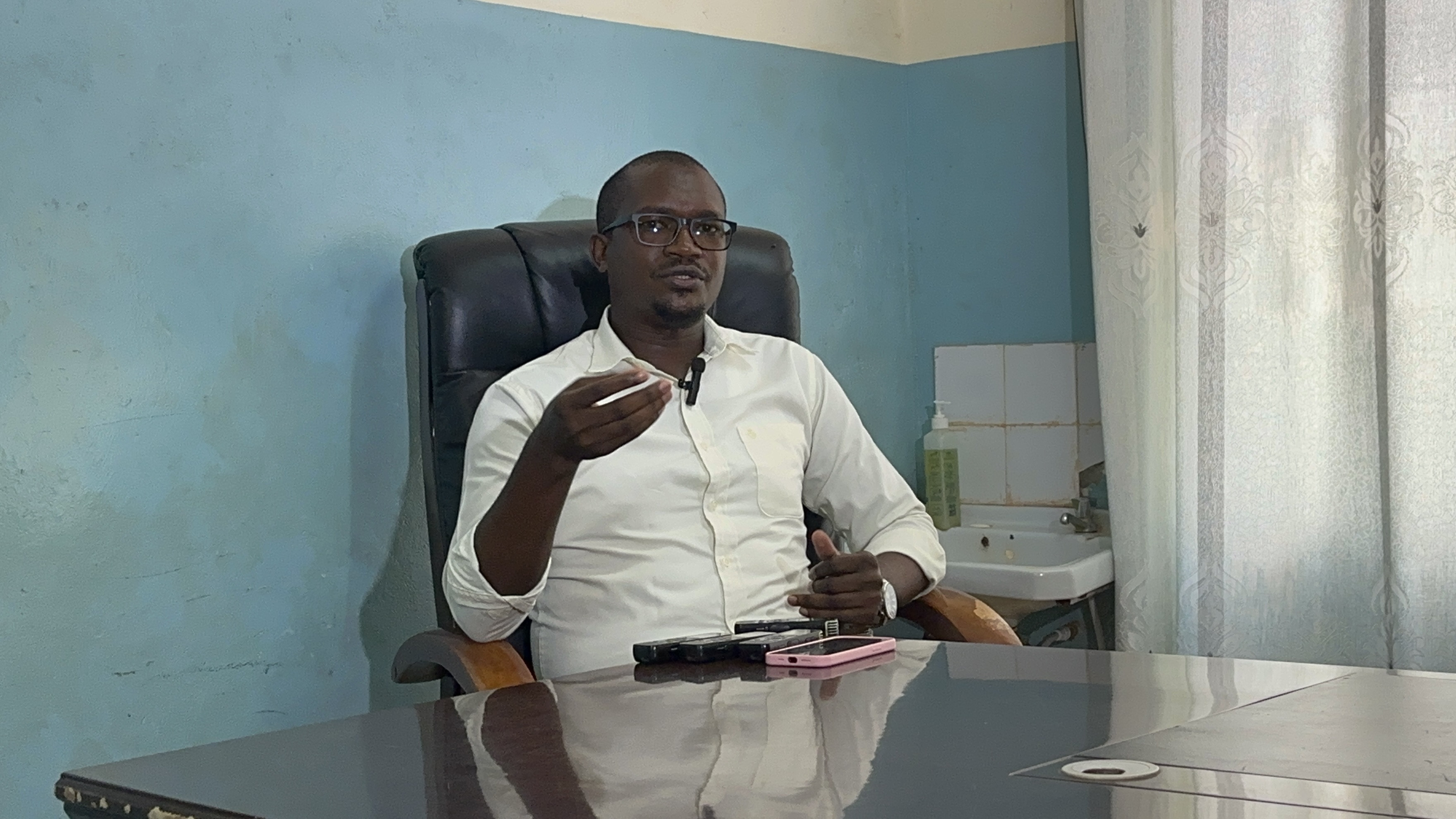
 Dr. Paul Gathuma, Chief Medical Officer at Kwale hospital speaks during an interview with the Kenya News Agency (KNA) at his office, highlighting ongoing efforts to treat lymphatic filariasis patients in the county.
For many years, Kwale Subcounty Hospital has quietly run a free programme that has changed the lives of men living with hydrocele.
Hydrocele is a condition that causes painful swelling in the scrotum and often leads to stigma, isolation and loss of livelihood.
But that lifeline is now under threat. A planned withdrawal of donor funding could soon bring the programme to a halt, leaving hundreds of patients still waiting for surgery without alternatives.
Hydrocele is a build-up of fluid around the testicle. Doctors say it is caused by a mosquito-borne parasitic worm that damages the lymphatic system, leading to progressive swelling over time.
At Kwale SubCounty Hospital, medical superintendent Dr Paul Gathuma says many patients arrive after years of silent suffering, often unable to work or live normal lives.
One of them is 51-year-old A J, a mechanic from Mombasa who endured the condition for 13 years.
Over time, the swelling made it difficult for him to move freely, forcing him to take frequent breaks and gradually reducing his income.
When he finally received surgery at the Matuga-based hospital, it was offered at no cost.
“It is God. He made it possible. I almost died,” A J said, breaking down as he described the moment his suffering ended.
For him, the surgery was not just a medical procedure, but a return to dignity and a chance to work again and support his family.
Another beneficiary, R G from Ganze in Kwale county, lived with the condition for decades before receiving treatment last year. A road engineer, he believes his illness began after long hours working in river water during bridge construction.
By the time he sought help, the condition had worsened significantly, affecting both his health and confidence.
Today, he speaks with relief. “I thank God. I was carrying a very heavy burden, almost 10 litres. Now I am fine and enjoying my marital life,” he said.
Stories like theirs have become common at Kwale Subcounty Hospital, where hundreds of men have undergone free surgery under a programme supported by Amref Health Africa in partnership with the Kwale County Government.
For nearly a decade, the initiative has combined community screening, awareness campaigns, mass drug administration and fully funded surgeries for patients who would otherwise be unable to afford treatment.
But the future of the programme is now uncertain.
Dr Gathuma says donor partners have signalled plans to withdraw funding for programmes targeting neglected tropical diseases, including hydrocele, in Kwale and other counties.
So far, 848 men have been screened, but only about 100 have received surgery, leaving many still on the waiting list.
“We have been running these programmes for nearly 10 years. Free hydrocele treatment started in 2023 under Amref support,” he said. “The need is still very high, especially among poor households.”
He warns that if funding stops, the consequences will be severe. More men will be forced to live in pain, unable to work, while families sink deeper into poverty.
Many patients, he adds, cannot afford even basic healthcare costs, let alone transport to hospital.
Without continued support, health workers fear the progress made in restoring dignity to affected men could quickly unravel, leaving many to endure the condition in silence once again.
For patients still waiting, the uncertainty is painful. For them, the programme is not just healthcare, but hope.
INSTANT ANALYSIS
Kwale’s hydrocele programme shows how donor-funded health interventions can quietly transform lives in marginalised communities, especially where neglected tropical diseases are linked to poverty and stigma. The free surgeries have restored dignity and economic productivity to men who would otherwise remain untreated for years. However, the looming donor withdrawal exposes a familiar weakness in Kenya’s healthcare system: heavy reliance on external funding for essential services. If the programme collapses, the backlog of untreated cases will likely grow, reversing hard-won gains. The situation underscores the need for sustainable county or national financing to protect the long-term continuity of such critical health interventions.