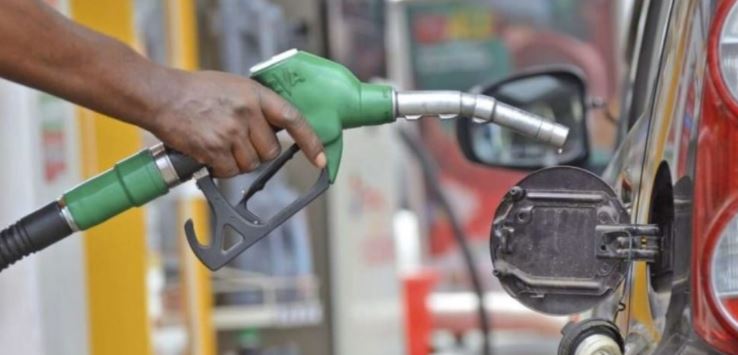
A coalition of anti-corruption and governance organisations under the National Integrity Alliance (NIA) has called for accountability after allegations that substandard fuel worth Sh4.8 billion had been imported into the country.
The organisations have warned against what they termed as acts that could profit a few individuals at the expense of public safety and national integrity.
The coalition in a statement on Monday said the allegations reflect “a disturbing erosion of ethics in governance,” where those entrusted with safeguarding public welfare appear either complicit, negligent, or wilfully indifferent.
“The importation of substandard Sh4.8 billion fuel reflects a disturbing erosion of ethics in governance, where those entrusted with safeguarding public welfare appear either complicit, negligent, or willfully indifferent,” the coalition said.
NIA questioned how the fuel entered the Kenyan market despite multiple layers of oversight, warning that the incident points to either a breakdown in enforcement or deliberate manipulation of quality assurance systems.
“How did substandard fuel enter the Kenyan market despite layered quality assurance mechanisms? Were mandatory testing protocols bypassed, compromised, or manipulated? If so, by whom, and under whose authority?” the statement posed.
The coalition further raised questions about the Government-to-Government (G-to-G) fuel importation framework introduced in 2023 with Gulf partners, including Saudi Arabia and the United Arab Emirates, which was meant to enhance transparency, stabilise supply and guarantee quality assurance.
It warned that the presence of substandard fuel within this framework signals either systemic failure or deliberate circumvention of established controls, both of which it said point to serious institutional breakdown.
NIA also questioned whether due process was followed in the importation of the fuel consignment, including whether approvals were issued before or after the cargo was ordered and shipped, saying the sequencing of events is critical in determining legality and accountability.
“Was due process followed in the importation of this consignment, or were established procedures bypassed? Do these timelines demonstrate that approval was issued lawfully in advance, or do they suggest that authorisation may have been granted retrospectively?” the coalition asked.
The group further called for clarity on allegations that senior officials may have had prior knowledge of the circumstances surrounding the importation, insisting that accountability must extend beyond technical officers to political leadership.
It said the doctrine of ministerial responsibility requires that leadership be held answerable for failures within their dockets, adding that decisive action, including possible removal from office of those implicated, is necessary to restore public trust.
NIA warned that the importation of substandard fuel constitutes misuse of public resources and a direct assault on economic efficiency, noting that fuel is a strategic commodity that underpins transport, industry and household welfare, and that poor-quality products damage engines, raise operational costs, and silently burden consumers.
The coalition also raised concern over reports that some petroleum retailers may be hoarding fuel in anticipation of price increases amid the controversy, warning that such conduct risks worsening scarcity and distorting prices.
“Such conduct creates artificial scarcity, distorts pricing, and disproportionately harms ordinary Kenyans already facing high living costs,” it said.
NIA further argued that the move may amount to violations of the Constitution, citing Article 10 on national values including integrity and transparency, Article 46 on consumer rights, Article 42 on the right to a clean and healthy environment, Article 201 on prudent use of public resources, and Article 232 on public service ethics.
It said these provisions collectively point to a governance framework that may have been seriously breached.
The coalition is now demanding political accountability across the entire chain of decision-making to allow for an independent investigation.
It has also called for an independent audit of the G-to-G fuel importation framework by the Office of the Auditor General, alongside a corruption risk assessment by the Ethics and Anti-Corruption Commission (EACC), warning that audit reports must not end up as “procedural exercises” without enforcement.
Further, NIA has urged full disclosure of all importation, testing and distribution records related to the affected fuel consignments, and called on the Directorate of Criminal Investigations (DCI) and other agencies to pursue investigations beyond surface-level enforcement to uncover systemic collusion and ultimate beneficiaries.
It also demanded immediate action against fuel hoarding and speculative pricing practices, alongside reforms to strengthen monitoring and transparency in the petroleum supply chain.
The coalition warned that failure to address the matter decisively would deepen public mistrust and expose citizens to continued financial exploitation and economic harm.
“Kenya’s energy and petroleum sector must be governed in strict adherence to constitutional principles, ethical standards, and the public interest,” the statement concluded.



Comments 0
Sign in to join the conversation
Sign In Create AccountNo comments yet. Be the first to share your thoughts!