Uganda’s Chief of Defence Forces, Muhoozi Kainerugaba , has once again drawn attention following his remarks about Iran, where he suggested that Uganda could decisively defeat the Middle Eastern nation in a military confrontation.
The comments, made amid the ongoing tensions surrounding the 2026 Iran conflict, have been widely interpreted as unusually direct and confrontational, especially given his repeated expressions of support for Israel during the crisis.
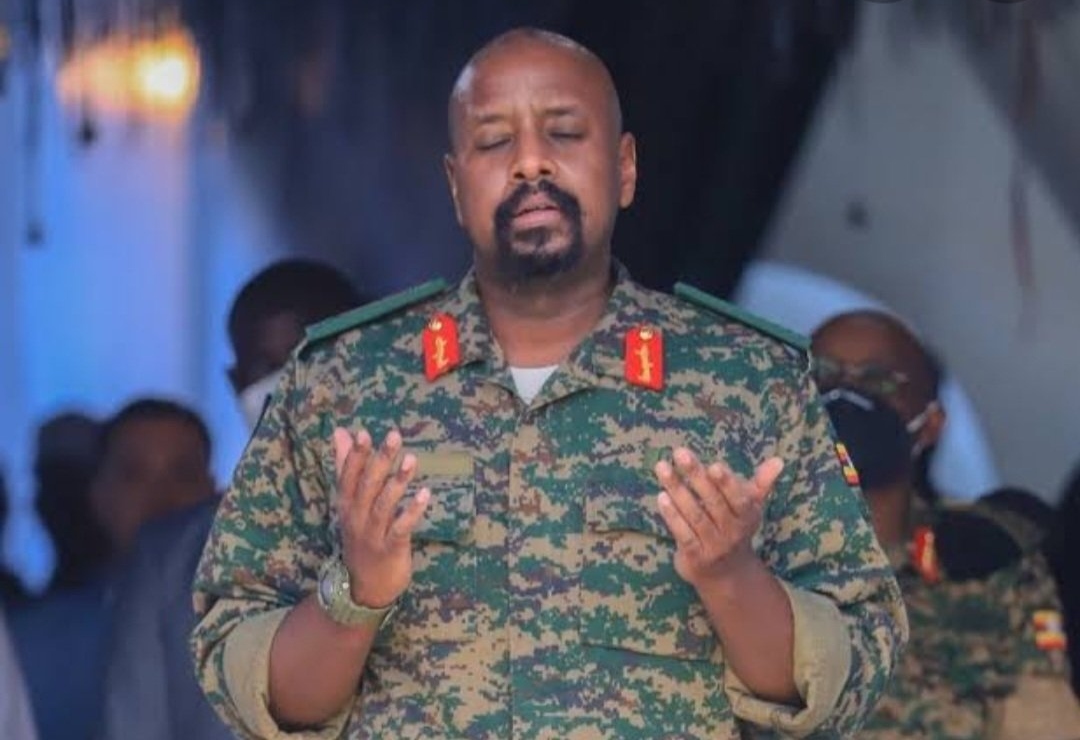 Muhoozi Kainerugaba // X
Read Also
Online Reactions and Debate
Social media platforms saw active debate, with discussions ranging from Uganda’s actual military capability to the broader implications of such remarks on diplomacy.
Some commenters questioned the role of African nations in distant geopolitical conflicts, while others focused on the tone of the message, describing it as provocative in an already tense global environment.
Uganda’s Position in Global Conflicts
Uganda’s position in global conflicts has traditionally centred on regional stability efforts, including peacekeeping missions across East Africa.
The country has often maintained a cautious diplomatic stance in international disputes, favouring multilateral approaches and non-alignment in major global power struggles.
Within this context, Kainerugaba’s remarks appear to diverge from established norms, drawing attention to how individual statements by senior officials can influence perceptions of a country’s foreign policy direction.
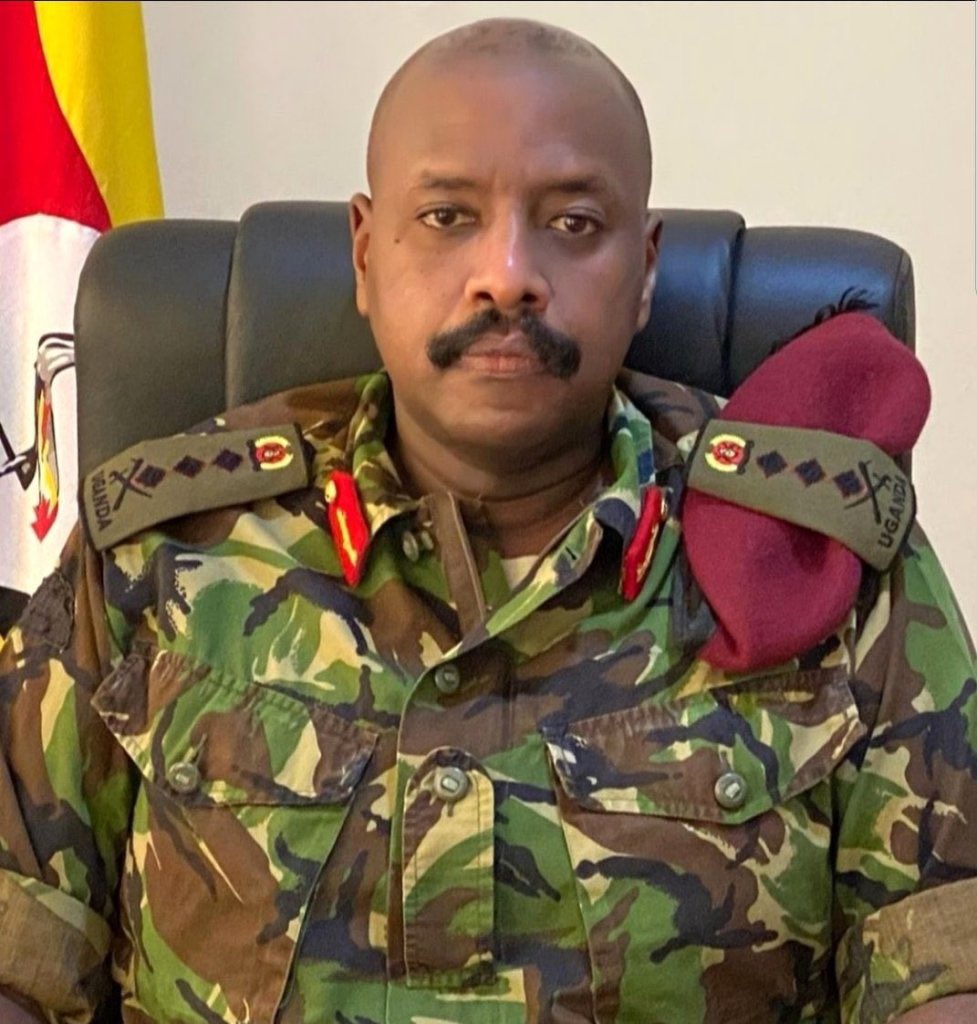 Muhoozi Kainerugaba // X
Background and Pattern of Statements
Kainerugaba, the son of long-serving Ugandan president Yoweri Museveni, has built a reputation for outspoken and sometimes controversial social media commentary.
In the past, his posts have triggered diplomatic unease, particularly in relation to neighbouring countries and sensitive international issues.
His recent comments on Iran add to a growing list of high-profile statements that have kept him at the centre of public and political discourse both within the region and internationally.