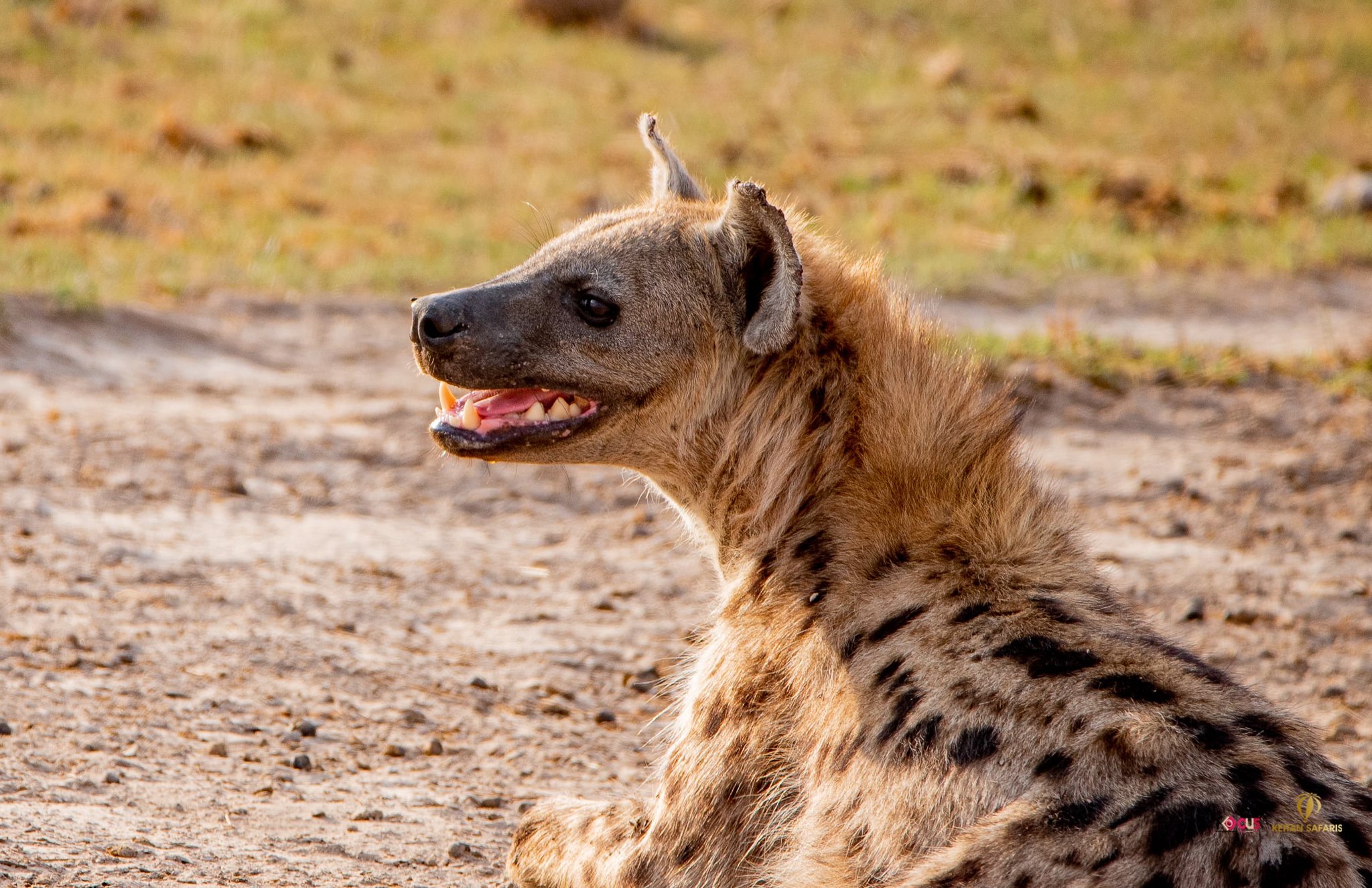
The Kenya Wildlife Service (KWS) has issued a stern public health warning following a disturbing incident in Kamenu Location, Thika West Subcounty, where residents killed and butchered a hyena.
The hyena is said to have been feeding on dumped poultry remains in the area.
According to KWS, the incident occurred at around 8 am, when the hyena was spotted scavenging near residential areas.
Before wildlife response teams could arrive, the animal had been surrounded by members of the public, chased down, killed and slaughtered. Several individuals reportedly fled the scene with parts of the carcass, including internal organs.
In a statement, KWS strongly cautioned the public against handling or consuming any meat from the animal, warning of serious health risks associated with such exposure.
“Members of the public are strongly warned not to handle or consume any meat from the animal. Hyenas are scavengers and may carry dangerous diseases such as Rabies, Anthrax, Brucellosis, and other foodborne infections,” the agency said.
KWS emphasised that consuming bush meat, especially from wild scavengers, poses a significant threat to human health due to the potential transmission of zoonotic diseases.
The agency urged anyone who may have come into contact with the carcass to seek immediate medical attention.
“Do not consume the meat. Surrender it immediately to authorities and seek medical attention if exposed,” the statement added. “The killing and consumption of wildlife is illegal and punishable by law.”
Health experts warn that rabies, one of the diseases associated with wild animals, is a fatal but preventable viral infection that affects the central nervous system. It is commonly transmitted through bites or scratches from infected animals and can lead to death if treatment is not administered before symptoms appear.
Rabies is nearly 100 per cent preventable if post-exposure prophylaxis is administered in time.
Anyone exposed needs to seek urgent care, including wound cleaning, immunoglobulin treatment, and a series of vaccines.
The agency also highlighted the dangers of anthrax, a rare but serious bacterial infection caused by Bacillus anthracis, which can spread from infected animals to humans through contact or consumption. The disease produces toxins that can destroy body tissues and may be fatal if untreated.
Additionally, KWS warned about brucellosis, a bacterial infection transmitted from animals to humans, often through consumption of contaminated animal products. The disease can also spread through inhalation in certain environments and poses long-term health complications if not treated.
The agency reiterated its call for vigilance, urging residents to report sightings of wild animals to authorities instead of taking matters into their own hands.
It also stressed the importance of proper waste disposal, noting that dumping animal remains can attract dangerous wildlife into human settlements.
“This incident underscores the need for communities to remain vigilant and to avoid engaging with wild animals under any circumstances,” KWS said. “Protect your health. Say no to bush meat.”