Malnutrition is worsening in at least seven counties despite modest national gains.
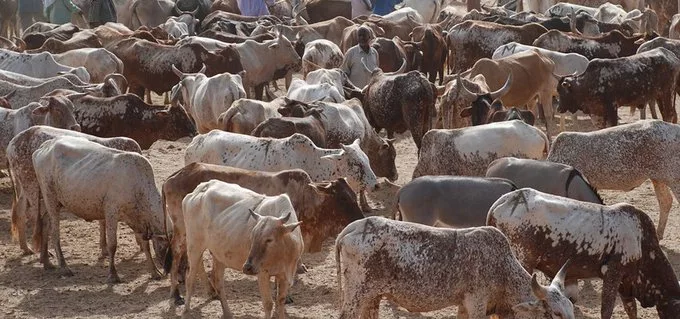
New data shows that more than half of Kenya’s drought-affected regions are recording above-normal levels of child undernutrition.
This is raising concerns over food access and child feeding practices.
Malnutrition is rising in Garissa, Isiolo, Wajir, Embu, Kilifi, Narok and Tharaka Nithi counties, according to the latest National Drought Early Warning Bulletin by the National Drought Management Authority (NDMA).
The report attributed the deterioration to limited access to diverse diets and declining household milk consumption, which are key sources of nutrients for children in arid and semi-arid lands (ASALs).
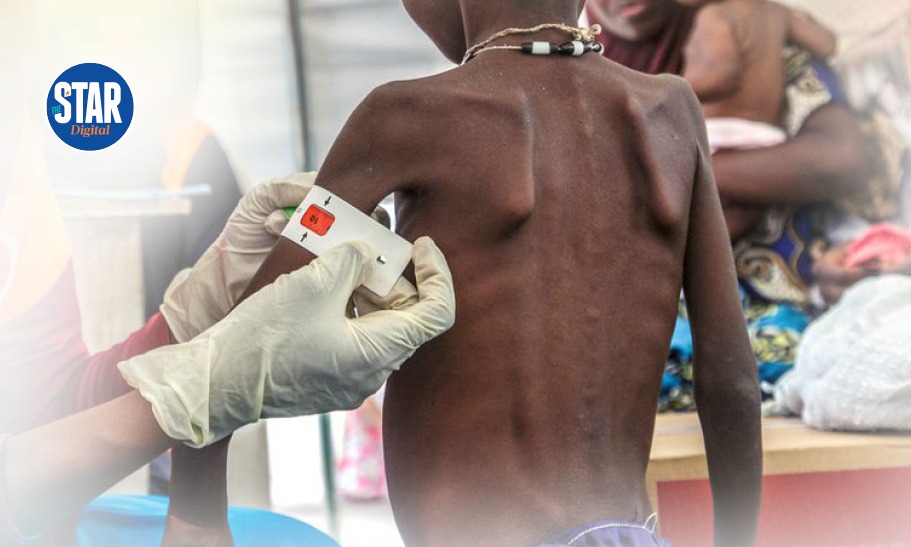
Data from NDMA shows that the proportion of children at risk of malnutrition, measured using Mid-Upper Arm Circumference (MUAC), remains above the long-term average (LTA) in several counties.
The counties including Mandera, Kwale, Marsabit, Lamu, Turkana, Meru, Kitui and Kilifi.
Overall, about 52 per cent of monitored counties recorded levels of child malnutrition above the normal seasonal range.
According to the 2022 Kenya Demographic and Health Survey (KDHS), 18 per cent of children under five are stunted, five per cent are wasted, and 10 per cent are underweight.
This highlights the scale of chronic and acute undernutrition challenges in the country.
The Global Alliance for Improved Nutrition (GAIN) notes that Kenya is facing a triple burden of malnutrition, including undernutrition, micronutrient deficiencies and rising overweight and obesity.
This translates to about 1.13 million children under five who are stunted, reflecting the scale of chronic malnutrition nationwide.
Nutrition experts have long warned that disparities across counties remain stark. In some regions, particularly Asal areas, wasting rates can exceed 20 per cent, compared with as low as one per cent in better-off regions, according to UNICEF Kenya.
The NDMA bulletin attributed the elevated malnutrition levels not only to food insecurity but also to poor health-seeking behaviour, high disease burden and suboptimal infant and young child feeding practices, which continue to undermine nutrition outcomes.
Despite the worsening trends in some counties, the report indicated pockets of improvement.
Baringo, Lamu, Marsabit, Meru, Samburu, Tana River, Turkana, Kwale, Laikipia, Makueni and West Pokot have recorded improving nutrition indicators.
NDMA attributed this progress to integrated health outreach programmes that have strengthened access to nutrition services such as screening, supplementation and early treatment.
Other counties, including Mandera, Kajiado, Kitui, Nyeri and Taita Taveta, have reported stable trends.
However, the broader drought situation continues to strain household food security.
According to the Kenya Drought Early Warning System, Mandera, Wajir, Kilifi and Kwale are currently in the alarm phase, indicating severe drought conditions.
A further 13 counties, including Garissa, Isiolo, Turkana and Tharaka Nithi, are in the alert phase, while Laikipia and Narok are under pre-alert conditions.
Although some counties such as Makueni, Nyeri, Embu and Meru remain in the normal phase, the report noted that early signs of deterioration are already emerging in Meru.
Recent estimates also show that about 847,000 children in Kenya are facing acute malnutrition, with the burden remaining highest in arid counties due to repeated drought shocks and poor feeding practices.