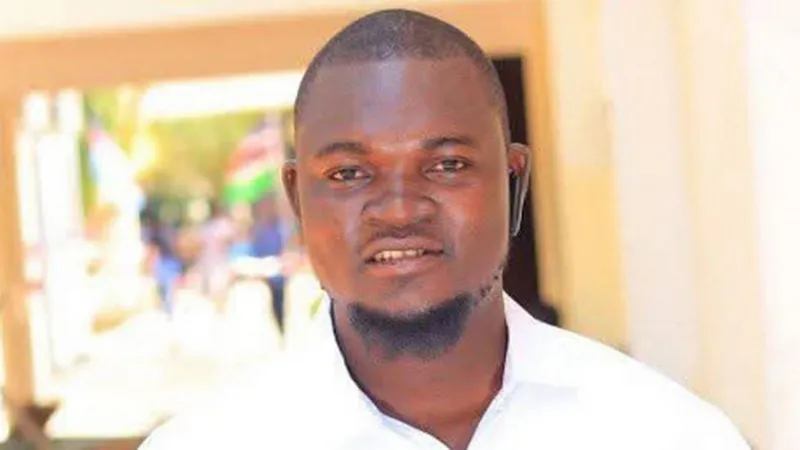
 Albert Ojwang/FILE
The High Court has ordered limited access to evidence for the Law Society of Kenya (LSK) in the ongoing murder trial of teacher and blogger Albert Ojwang, as proceedings continue before Justice Diana Kavedza.
During the proceedings on Thursday, the Law Society of Kenya (LSK), through its representative, sought to be supplied with medical documents, prompting discussions on the scope of access to evidence in the case.
Counsel for the Director of Public Prosecutions (DPP), Gikui Gichuhi, expressed reservations about releasing them, leading Justice Diana Kavedza to intervene and clarify the extent of access to be granted.
While agreeing that LSK should be granted what she described as reasonable access, the judge observed that the society represents the public interest in such proceedings.
She, however, clarified that only reasonable access to evidence would be allowed, and not all evidentiary documents in the prosecution’s possession
"They can be granted reasonable access to evidence, but not all evidence," she stated.
The court also heard from counsel representing one of the accused, former Nairobi Central OCS Samson Talaam, who informed the judge that his client had since been discharged from hospital following earlier treatment at Kenyatta National Hospital (KNH).
The court had previously adjourned the hearing that was scheduled to begin to allow Talaam to seek specialised medical treatment.
Through his lawyer, he informed the court that he had been unwell in recent weeks and required urgent medical assessment and tests by specialists at the national referral hospital.
The prosecution did not oppose the application at the time, and the court granted the request, directing that Talaam be escorted to KNH and that a medical report be filed upon completion of the examination.
Following his discharge, Justice Kavedza directed that the medical documents be supplied to the court and made available.
New hearing dates have now been set, beginning from July 20, 2026, when the first set of witnesses is expected to testify in the case.
Ojwang died on June 8, 2025, while in police custody at Nairobi’s Central Police Station after reportedly being arrested in Homa Bay following a complaint over a social media post.
Former OCS Talaam and four other accused persons are facing murder charges in connection with his death.
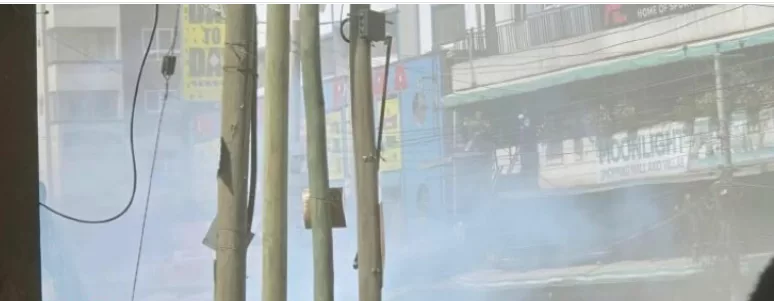
His death while in custody sparked widespread public outrage, protests, and renewed scrutiny of police conduct in Kenya.
Ojwang is believed to have been arrested in Homa Bay after a complaint over a social media post and later died in custody at Nairobi’s Central Police Station.
Police initially claimed he died by suicide, but a post-mortem report found blunt force injuries, neck compression, and multiple soft-tissue wounds inconsistent with self-harm, suggesting assault.