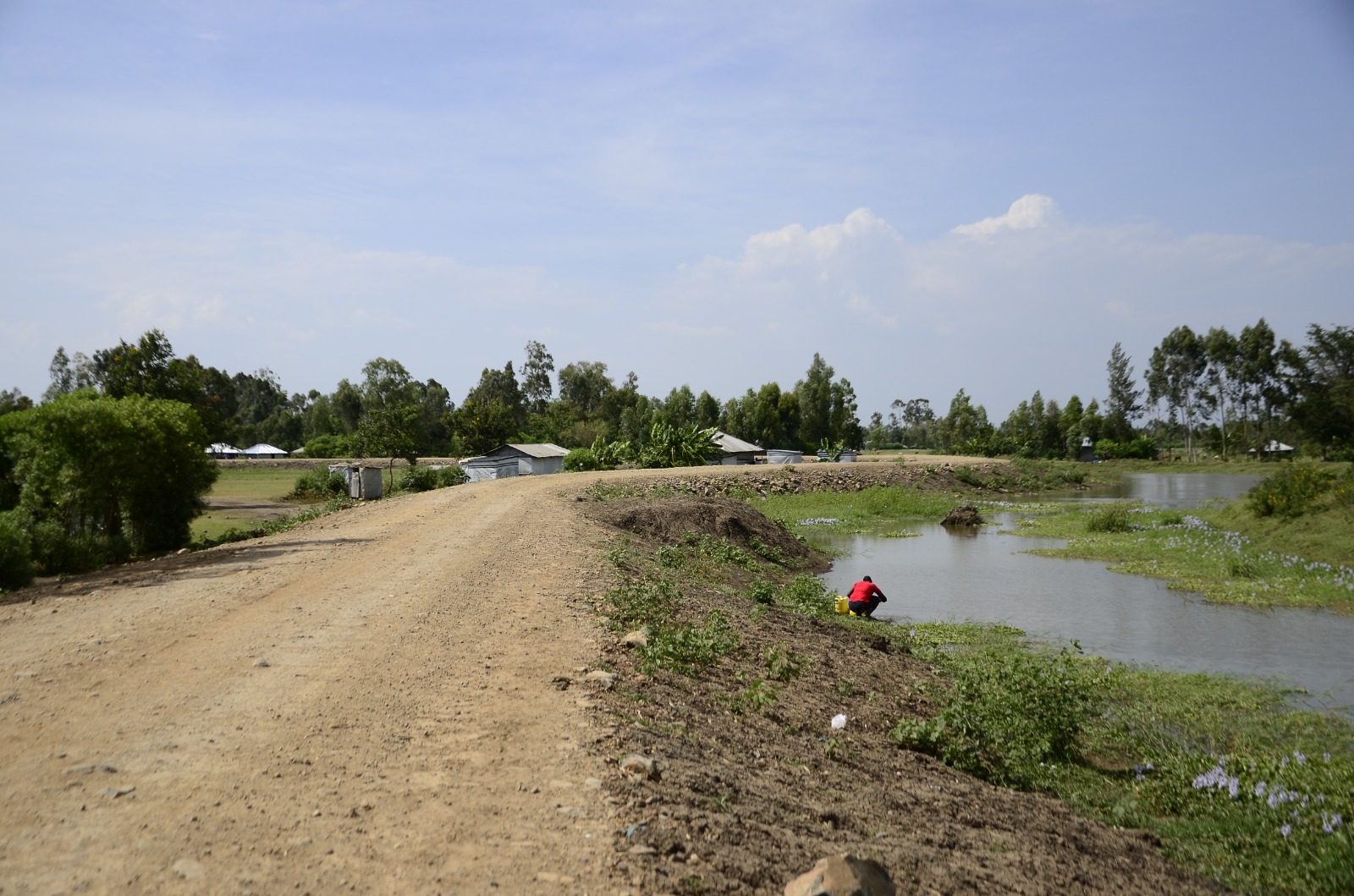
 A woman draws water from a canal formed besides a dyke in Kano West. The dyke and the canal are meant to mitigate against floods in Kano West, Ogembo Location, caused by River Nyando./HANDOUT
The National Water Harvesting and Storage Authority (NWHSA) has unveiled plans to construct canals to curb perennial flooding caused by Kenya’s major rivers.
NWHSA Chief Executive Officer Julius Mugun said the project is still in its initial stages, with priority set on River Nzoia, River Nyando, and Tana River—three water bodies identified as the most problematic during heavy rains.
Mugun said engineers will be deployed across the country to trace the rivers from their source to their lower courses in a bid to identify suitable points for diverting excess water.
“We will design the canals and present the proposals to the Treasury or the National Infrastructure Fund for financing. The project will help us achieve water storage, flood mitigation, and boost food security through irrigation,” he said.
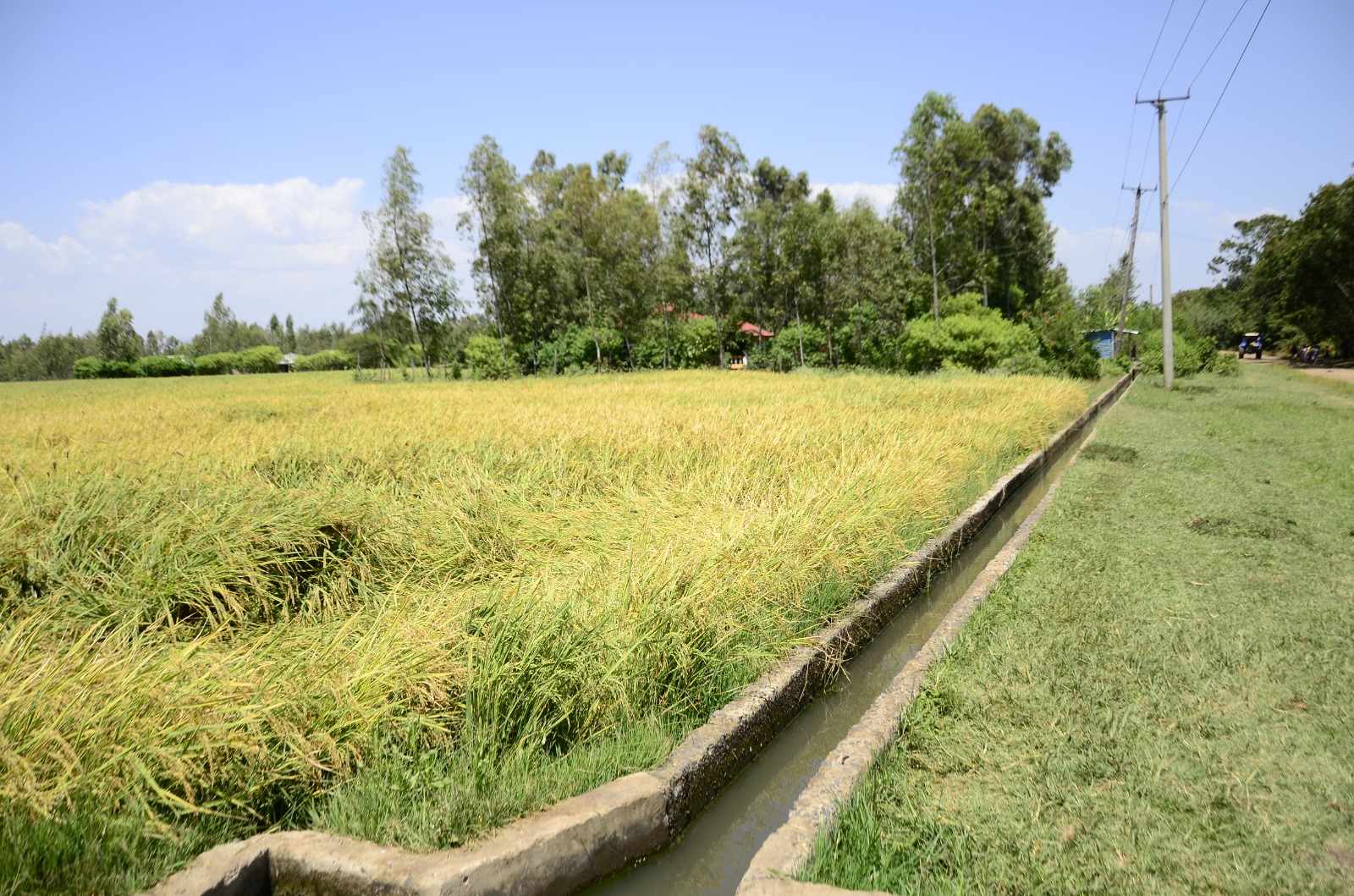 A canal formed in Kano West rice irrigation scheme. The canals help prevent floods from the River Nyando./HANDOUT
However, Mugun noted that canal construction will require land acquisition, as the infrastructure will not necessarily follow riparian corridors.
“As Kenyans, we need to be mindful. If a canal passes through your area, allow it because floods affect all of us. Instead of rushing for compensation, we should support initiatives that control flooding,” he said.
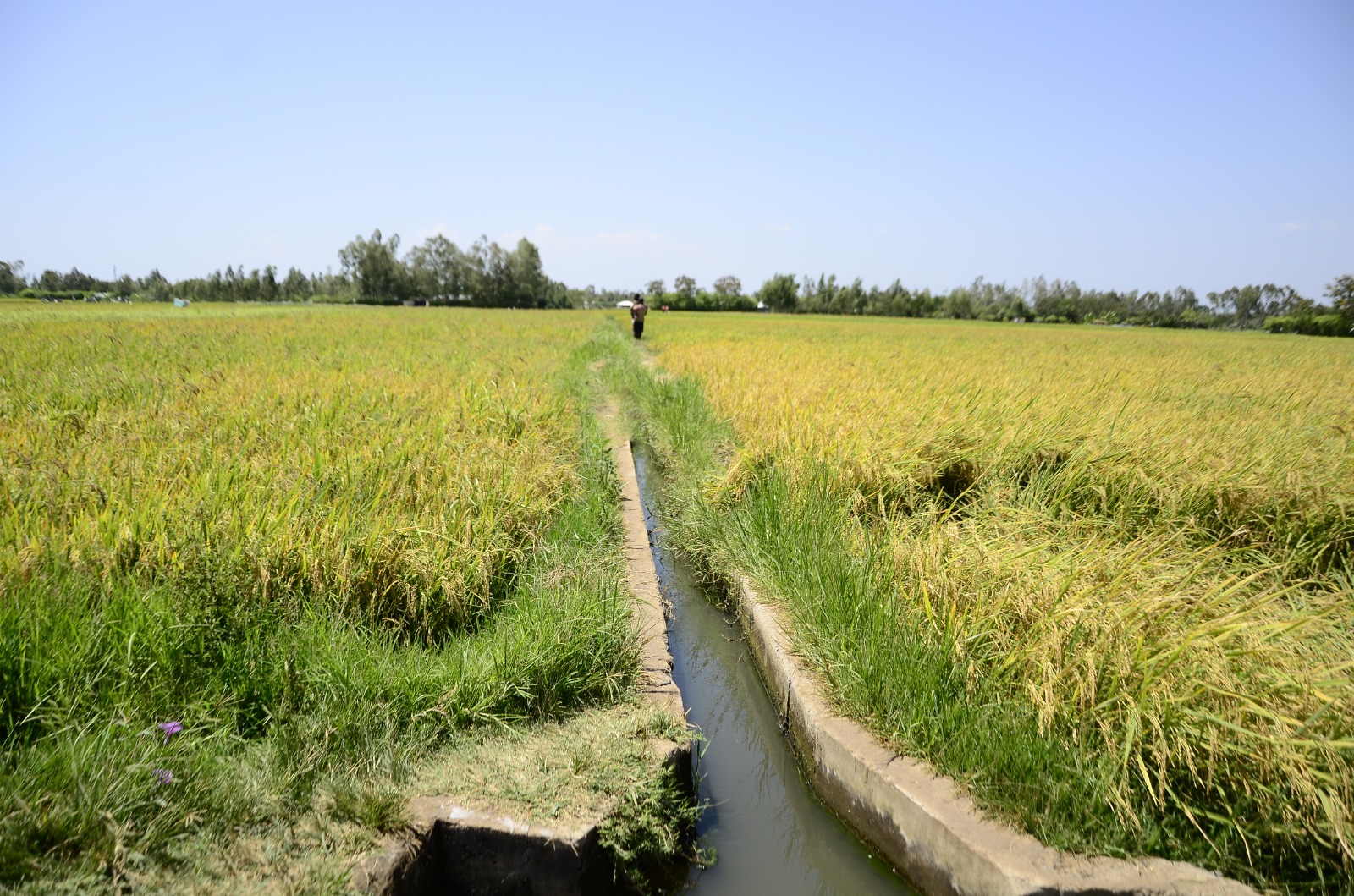 A canal formed in Kano West rice irrigation scheme. The canals help prevent floods from the River Nyando./HANDOUT
Using River Nyando as an example, Mugun said canals could be constructed at intervals of about 15 kilometres from Kipkelion to Ahero. This, he explained, would significantly reduce downstream water volumes by diverting millions of cubic litres before the river reaches flood-prone areas.
“If each canal offloads about 20 cubic metres of water per second, the cumulative effect will drastically reduce flooding downstream,” he said.
He pointed to existing canal projects such as the Yatta Canal, which diverts water from the Tana River to Kitui, as proof that the approach is viable. Mugun explained that rivers carry both base flow—the normal volume—and runoff, which causes flooding.
While dams can store excess water, canals offer a cheaper alternative by redirecting it into artificial channels that can stretch for hundreds of kilometres and even form new water bodies.
“We can develop a network of canals along major rivers like Nzoia, with multiple diversion points before the river reaches its lower, meandering stages,” he said.
He added that the canals will not only control floods but also provide water for communities and farming, enhancing food security.
“Dams are expensive. Canals are simply engineered excavations that follow contours. They are easier to implement and can also be extended into smaller channels to serve local communities,” Mugun said
. The project, he emphasized, falls squarely within NWHSA’s mandate and is key to addressing the country’s recurring flood challenges.