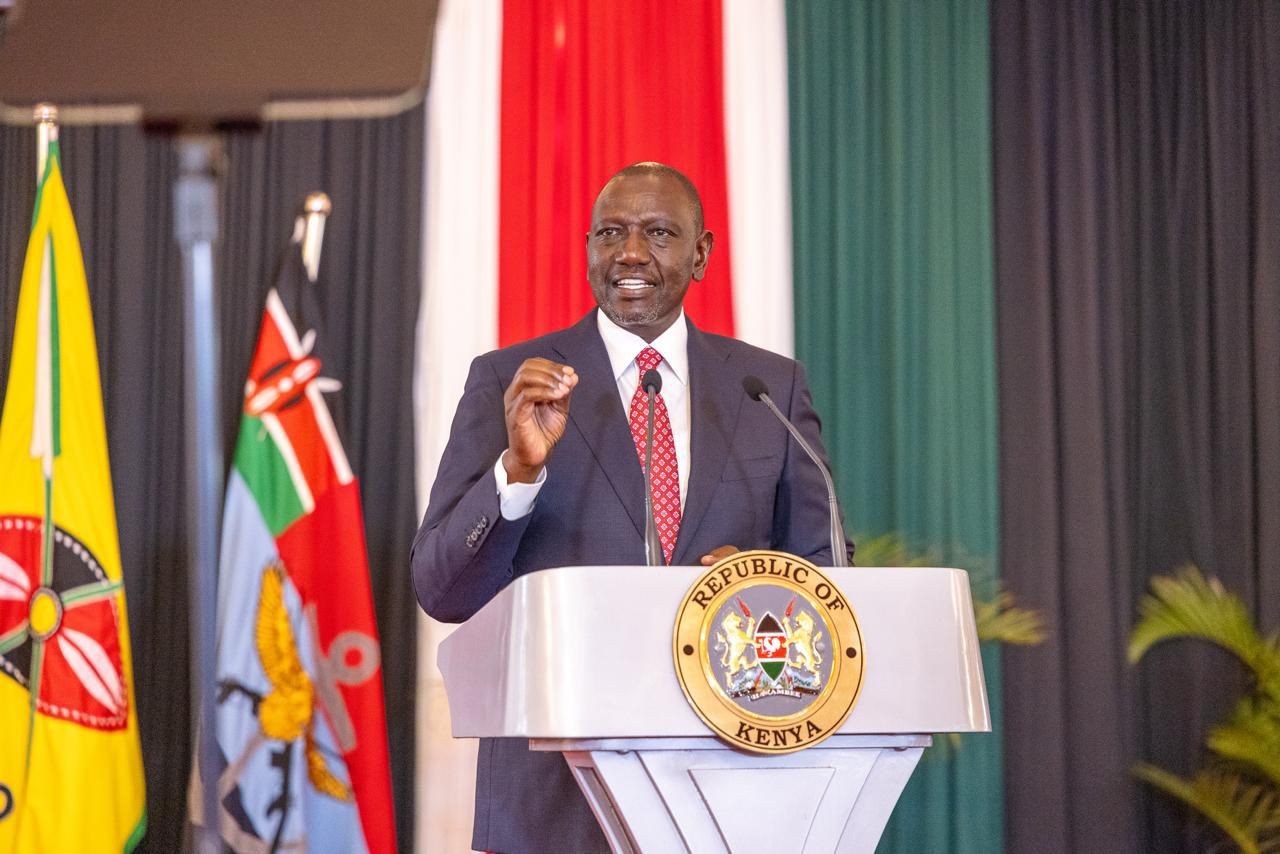
President William Ruto’s sweeping reforms are impossible to ignore.
From the demolition and modernisation of Gikomba market to the overhaul of university funding, healthcare and infrastructure, the President is signalilng a decisive break from Kenya’s status quo.
There is much to welcome: markets that are safer and more organised, a more equitable approach to education and roads and railways that could transform regional trade.
These changes demonstrate a government willing to take bold steps for the country’s long-term benefit.
Yet, reform is a double-edged sword. Rapid interventions risk leaving behind those most vulnerable: traders displaced by demolitions, residents anxious over housing projects and students or families adjusting to new systems.
Critics who fear mismanagement or opportunistic profiteering cannot be dismissed outright.
History teaches that even the most visionary reforms can falter if implementation is uneven or public confidence is eroded.
The task, then, is clear: embrace the reforms, but ensure they are executed transparently, inclusively and with accountability. Kenya needs modernisation that uplifts rather than displaces, that strengthens institutions rather than bypasses them.
President Ruto’s agenda is ambitious and necessary.
The reforms can set Kenya on a path to growth and equity—but only if they balance speed with prudence.
Bold action is welcome, but caution must accompany every step, for Kenya’s people are both the beneficiaries and the guardians of its future.
"We are guilty of many errors and many faults, but our worst crime is abandoning the children, neglecting the fountain of life.”
Gabriel Mistral
The first Latin American to be awarded the Nobel Prize for Literature for her poetry in 1945 was born on April 7, 1889