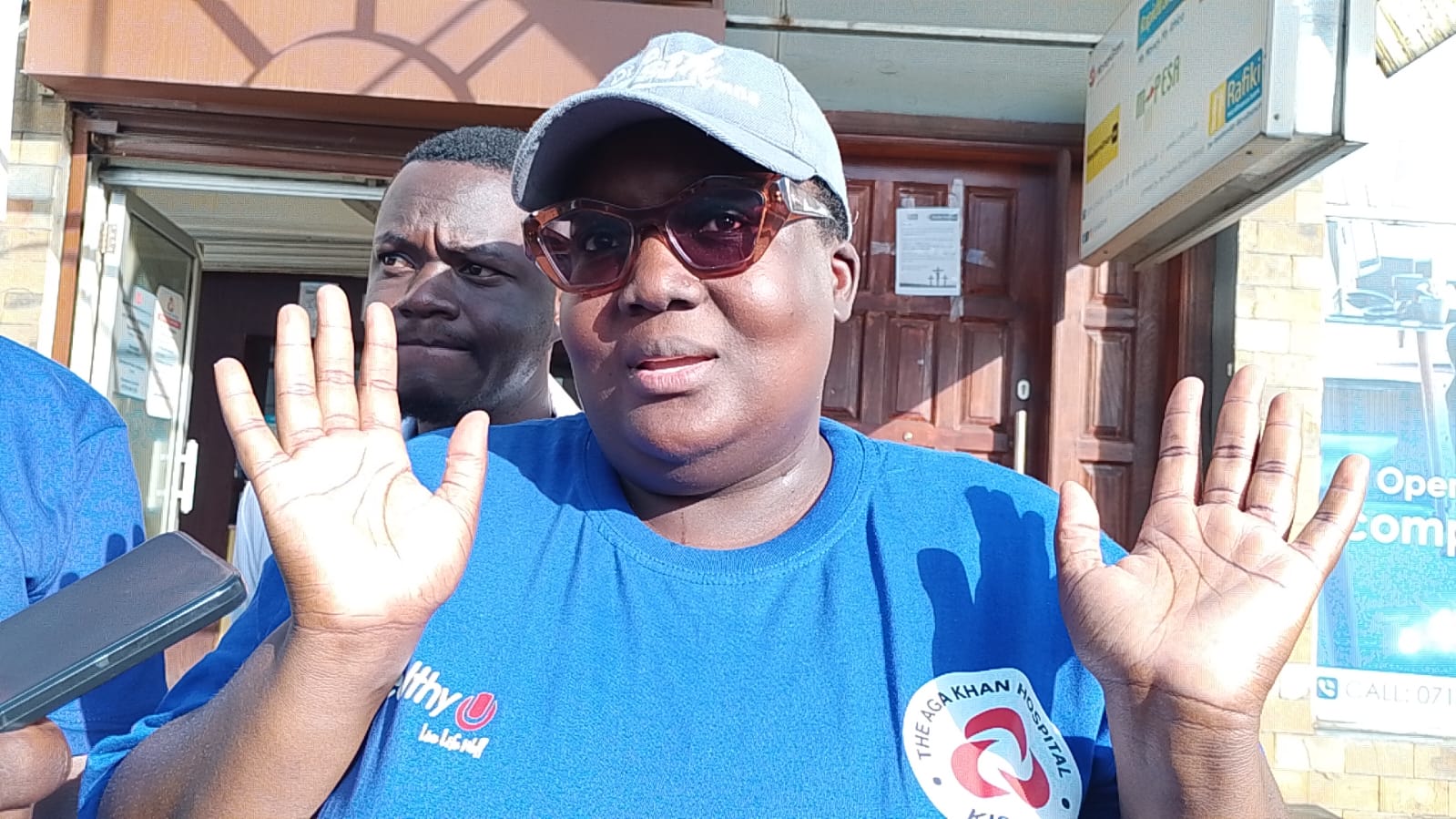
 Growing Minds founder Babra Amondi speaking during the Light it Up Blue Autism Awareness day to mark Autism Acceptance Month/Faith Matete
 Parents of children with autism have renewed calls for government intervention to make therapy and treatment more affordable and accessible, as stakeholders marked Autism Acceptance Month with an awareness event.
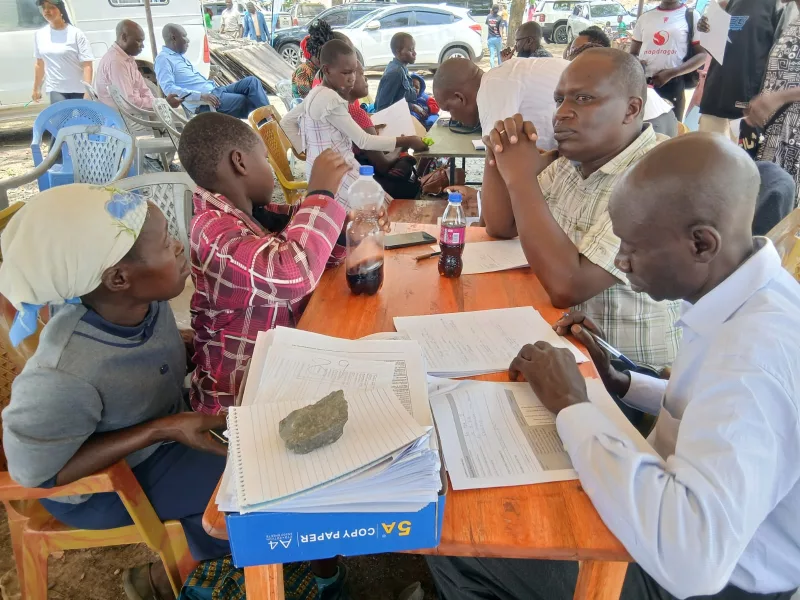
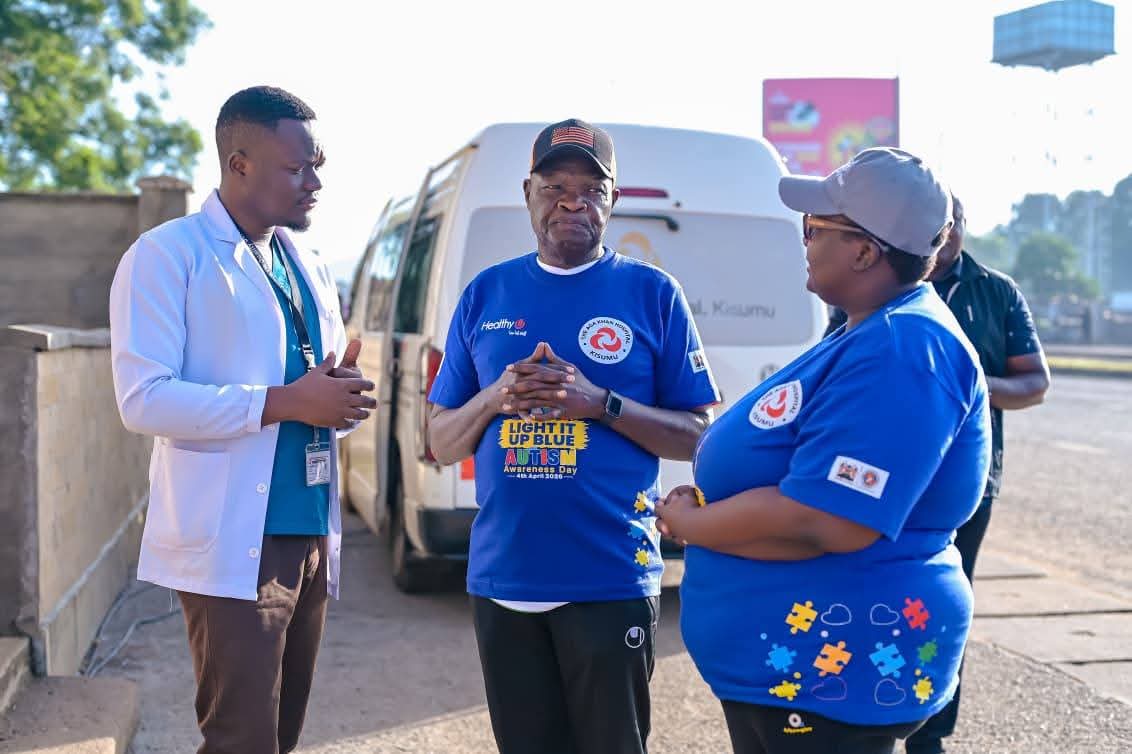
The event, Light it Up Blue Autism Awareness Day, organised by Growing Minds in partnership with Aga Khan Hospital and other organisations, brought together parents, medical experts, and policymakers to raise awareness, offer screening, and provide guidance on managing autism.
Speaking in Kisumu during the awareness day, Growing Minds founder Babra Amondi said the initiative aimed to educate parents while offering early screening and assessment for children who may be on the autism spectrum.
“April is Autism Acceptance Month, and today we are creating awareness, offering screening and assessments, and connecting parents with specialists who can guide them,” she said.
The event featured psychologists, speech therapists, paediatricians, and nutritionists, who trained parents on interventions that can be done at home to support children with autism.
Amondi noted that therapy remains unaffordable for many families, forcing some parents to forego critical care.
“Therapy is very expensive, but if parents can learn some of these interventions and apply them at home, it can make a big difference,” she said.
She also urged the government to include autism therapy under the Social Health Authority (SHA) cover and invest in special needs education.
“We need inclusive schools with trained teachers and the right resources. Just placing these children in regular classrooms is not enough; they need proper support to thrive,” she added.
Amondi raised concern over persistent stigma in communities, saying misconceptions continue to prevent families from seeking help.
“There is still a lot of stigma because people don’t understand autism. Some even associate it with witchcraft, which is not true. We must continue educating communities,” she said.
She emphasised the importance of early diagnosis, noting that timely intervention can significantly improve outcomes for children.
“Autism is unique because with early intervention, a child can improve over time. That is why early diagnosis is critical,” she explained.
Area MP Joshua Oron, who also sits on the National Assembly Health Committee, acknowledged the financial burden faced by parents and pledged to push for policy reforms.
“I have learned that some parents spend at least Sh5,000 per session on therapy. That is too expensive for ordinary Kenyans,” he said.
Oron noted that most autism-related services are only available in private facilities, leaving public hospitals unable to meet demand.
“The bulk of therapy services are in private hospitals, yet we have public level five and six hospitals that can provide these services. This is something we must address,” he said.
He further pointed out that autism is not adequately covered under the national health scheme, leaving families to shoulder the cost.
“I will take it upon myself to push for autism to be covered under SHA to reduce the burden on parents,” he said.
The legislator also called for the integration of children with autism into mainstream education, saying exclusion has contributed to stigma and limited opportunities.
“We need policies that ensure autistic children are included in regular schools with the necessary support systems in place,” he added.
Oron said he would advocate for the deployment of therapists in public hospitals, particularly at level five facilities across counties.
“In counties like Kisumu, we should have therapy services both at level five hospitals and referral facilities. There is no reason why parents should rely solely on private hospitals,” he said.
He committed to working with stakeholders to improve access to services and ensure policies reflect the needs of children with autism and their families.
The awareness event also served as a platform for parents to share experiences and interact with experts, highlighting the urgent need for accessible care, reduced stigma, and stronger policy support.
As Autism Acceptance Month continues, stakeholders expressed hope that increased awareness and policy engagement will lead to better outcomes for children living with autism across the country.