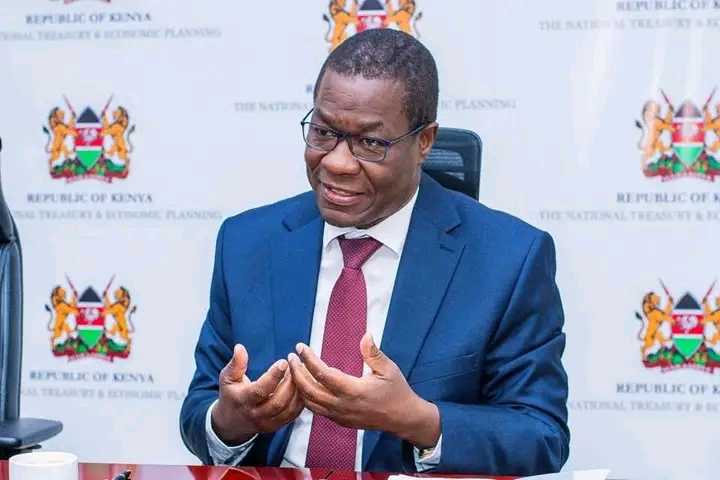
Interior Cabinet Secretary Kipchumba Murkomen has announced a tougher phase in the government’s war on illicit drugs and alcohol, including plans to seize assets and freeze bank accounts of those involved in the trade.
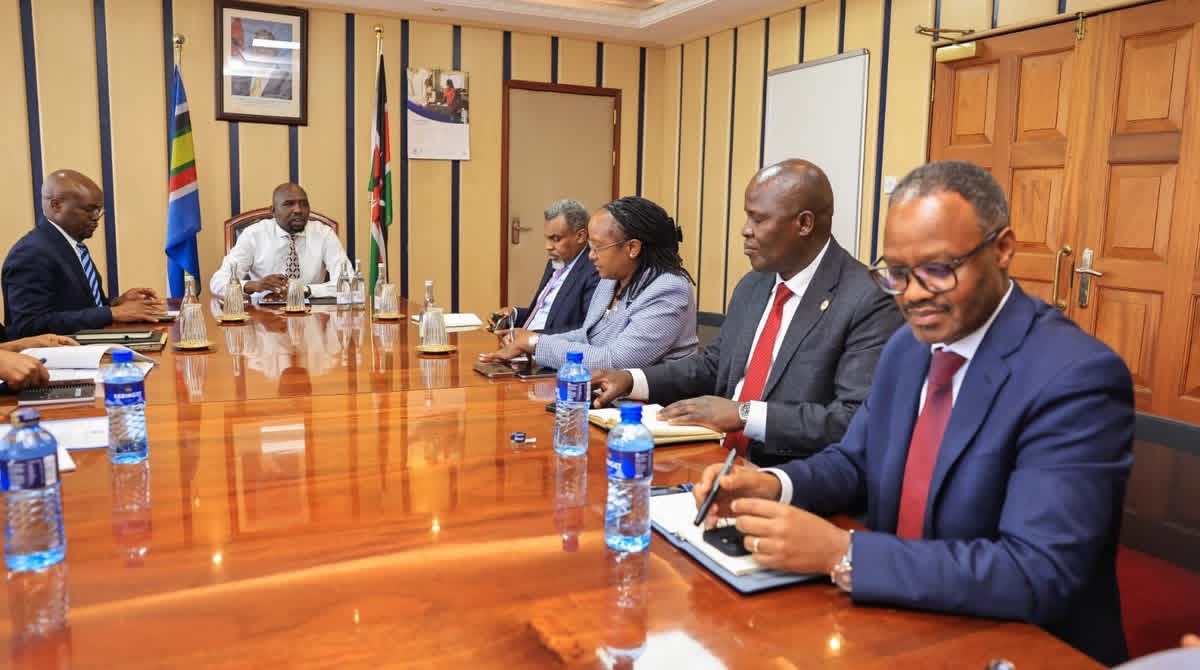
He made the announcement after chairing a multi-agency meeting in his office.
Murkomen said the crackdown follows the declaration by President William Ruto that drug and alcohol abuse constitutes a national security emergency.
He said the renewed strategy will focus on dismantling entire supply chains and financial networks behind illicit alcohol and drug operations.
The CS said the government has recorded progress in reducing incidences of illicit brews and drug abuse in several parts of the country, but emphasized the need to intensify the campaign.
“Our target is the manufacturers, sellers and distributors of illicit drugs and alcohol. We are moving beyond prosecution to seizing assets and freezing accounts of those found culpable,” he said.
Murkomen warned that government officials found complicit in the trade will face severe consequences, including dismissal from service.
“Police officers, National Government Administrative Officers, and any other civil servant who facilitates, protects or colludes with drug networks will lose their jobs,” he said.
The CS reiterated that the government remains committed to dismantling drug and illicit alcohol cartels, which he said are “stealing the future of our children".
The meeting brought together top security and regulatory officials, including Principal Secretary Raymond Omollo, National Intelligence Service director general Noordin Haji, Inspector General of Police Douglas Kanja, Directorate of Criminal Investigations director Mohamed Amin, Kenya Revenue Authority commissioner general Humphrey Wattanga, Nacada CEO Anthony Omerikwa, Kenya Bureau of Standards CEO Esther Ngari, Financial Reporting Centre director general Naphtaly Rono and Asset Recovery Agency acting director general Mark Ogonji.
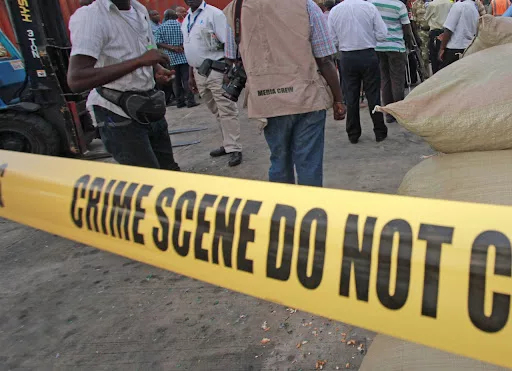
Officials have been seizing big quantities of alcohol and assorted drugs in operations.
This has seen a number of suspects arrested and charged in courts. The cases are pending in various stages in courts.
Ruto had announced plans for the establishment of a strengthened Anti-Narcotics Unit (ANU) within the Directorate of Criminal Investigations (DCI), with capabilities comparable to the elite Anti-Terrorism Police Unit.
A multi-agency team was also established and directed to commence work immediately to coordinate a nationwide crackdown on the distribution of illicit ethanol and drugs.
The county governments were asked to establish at least one rehabilitation centre in every county to support the recovery and reintegration of individuals affected by alcohol and drug abuse.
ANU’s personnel have been expanded from 200 to 700 officers and equipped with modern surveillance, intelligence, forensic and financial investigation tools to target high-level drug traffickers and illicit alcohol networks, Ruto said.
Ruto also emphasised that asset tracing, seizure and forfeiture would feature prominently in narcotics and illicit alcohol investigations, with recovered assets redirected toward rehabilitation, prevention and treatment programmes.
He warned that any government official or security officer found colluding with traffickers would be prosecuted and dismissed from service.
Ruto declared alcohol and drug abuse a national emergency that threatens public health, national security, productivity and the social fabric of the country.
Statistics show that one in six Kenyans aged 15-65 uses at least one substance of abuse, with more than 4.7 million people affected, and that initiation into harmful use often begins in the teenage years.
“This crisis demands decisive national action,” Ruto said, unveiling a comprehensive government strategy to confront the menace through enforcement, prevention and multi-agency cooperation
And as part of efforts to address the menace, officials declared that drug traffickers and suspects found in possession of narcotic drugs will be prosecuted without charge sheets being registered at county Offices of the Director of Public Prosecutions (ODPP).
The move follows the designation by Chief Justice
Martha Koome of four Special Magistrates’ Courts to exclusively hear and
determine cases involving possession and trafficking of narcotic drugs and
psychotropic substances with both local and international dimensions.
The designated courts are the Jomo Kenyatta
International Airport (JKIA) Court, Kahawa Magistrate’s Court, Mombasa
Magistrate’s Court and Busia Magistrate’s Court. The designation was formalised
through Gazette Notice No 387 of 2026.
According to the directive, no charge sheet
relating to narcotics and psychotropic substances will be registered at any
ODPP office within the counties regardless of the quantity or value of the
drugs involved.
All such cases will be handled directly by the designated
courts.
The directive applies to all narcotic drug and
psychotropic substance matters.
The move is aimed at streamlining the prosecution
of drug-related offences, strengthening coordination in cases with cross-border
implications and enhancing the efficiency of the justice system in combating
drug trafficking networks.