 AI Illustration./GEMINI
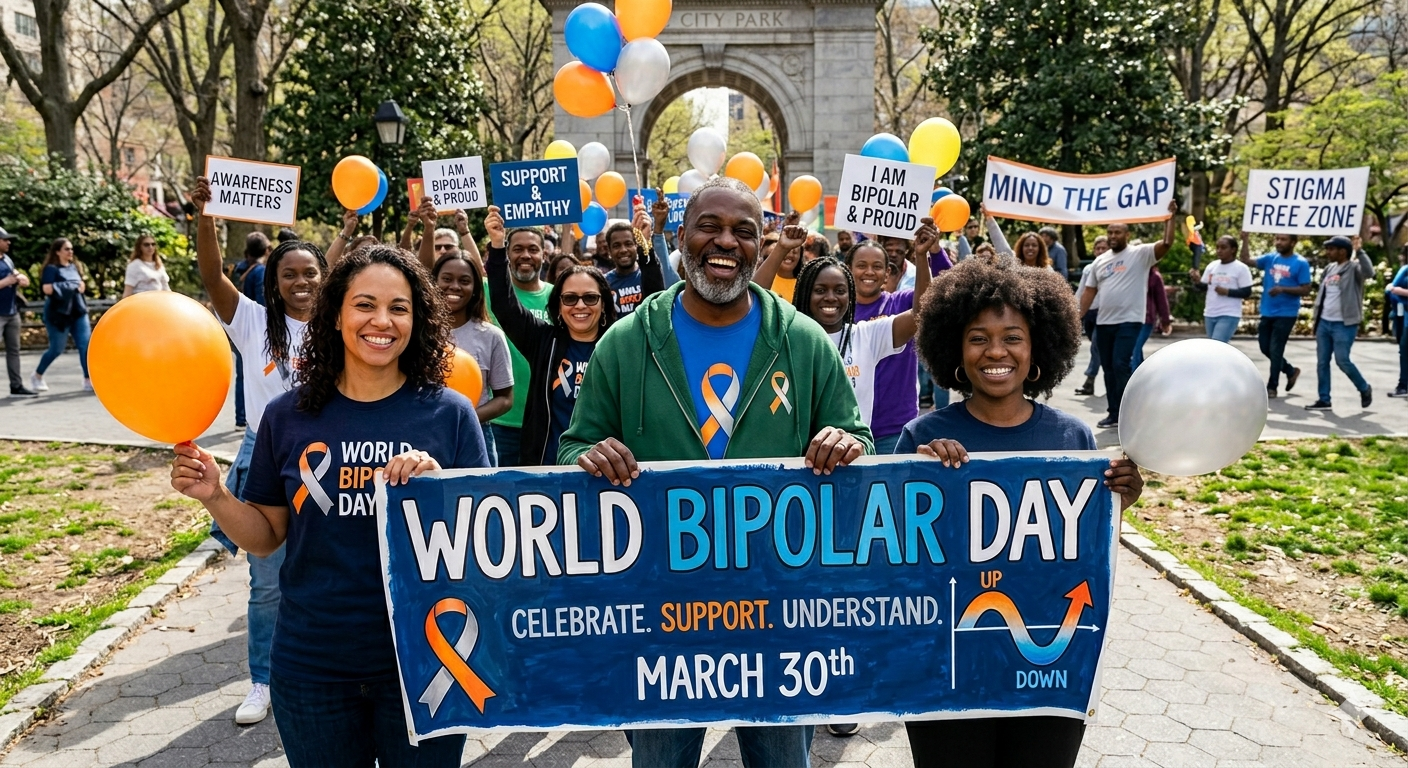
World Bipolar Day is marked every year on March 30, bringing global attention to bipolar disorder, a mental health condition that affects millions of people worldwide.
The date was chosen to coincide with the birthday of Dutch painter Vincent van Gogh, who was posthumously diagnosed with probable bipolar disorder, symbolising both the challenges and creative strengths associated with the condition.
The day was established through collaboration between international mental health organisations, including the International Society for Bipolar Disorders, with the aim of raising awareness, reducing stigma and improving access to care.
It also provides an opportunity for individuals, families, health professionals and policymakers to reflect on progress made and the gaps that still exist in mental health support systems.
Globally, an estimated 60 million people are living with bipolar disorder.
Despite being a treatable condition, many remain undiagnosed or do not receive adequate care, largely due to stigma, lack of awareness, and limited access to specialised services.
World Bipolar Day seeks to bridge this gap by promoting education and encouraging conversations around mental health.
Understanding bipolar disorder
Bipolar disorder is a medical condition characterised by extreme mood changes that range from manic highs to depressive lows.
During a manic episode, an individual may experience an elevated mood, increased energy, reduced need for sleep and impulsive behaviour. In contrast, depressive episodes are marked by persistent sadness, low energy, loss of interest in activities and, in severe cases, thoughts of self-harm.
These shifts can significantly affect daily functioning, relationships, and productivity.
The condition is typically classified into bipolar I and bipolar II. Bipolar I involves severe manic episodes that may require hospitalisation, while bipolar II includes less intense mania, known as hypomania, alongside prolonged depressive episodes.
Although the exact cause is not fully understood, research points to a combination of genetic, biological, and environmental factors.
The situation in Kenya
In Kenya, bipolar disorder is increasingly being recognised as a significant mental health concern, although it remains underdiagnosed.
Estimates indicate that between 1 and 2 per cent of the population may be living with the condition.
This translates to hundreds of thousands of Kenyans, many of whom may not be receiving appropriate care.
Data from the Ministry of Health shows that mental health conditions contribute substantially to the country’s disease burden, yet resources remain limited.
Kenya has a shortage of mental health professionals, with psychiatrists and specialised services largely concentrated in urban areas.
This leaves rural populations with limited access to diagnosis and treatment, often relying on general practitioners who may not have specialised training in mental health.
Stigma remains one of the biggest barriers to care. Many people living with bipolar disorder face discrimination in their communities, workplaces, and even within families.
This often discourages individuals from seeking help or adhering to treatment. Advocacy groups in Kenya have consistently highlighted stigma as a major challenge in improving mental health outcomes.
Role of advocacy and support groups
Organisations such as the Bipolar Heroes Foundation have been at the forefront of efforts to address these challenges.
The patient-led organisation focuses on strengthening access to treatment, influencing public policy, and promoting awareness through storytelling and community engagement.
Over the past four years, it has spearheaded World Bipolar Day commemorations in Kenya, using the platform to share lived experiences and educate the public.
The foundation also works with partners including Dandelion Africa, the Defenders Coalition, the Centre for Democracy and Good Governance and the Non-Communicable Disease Alliance of Kenya to advocate for better mental health services and policies.
Their work includes creating support networks for people living with bipolar disorder, caregivers, and service providers, as well as disseminating accurate information to counter myths and misconceptions.
Treatment and management
Treatment for bipolar disorder is available and can be effective when properly managed. It typically involves a combination of medication and psychotherapy.
Mood stabilisers, antipsychotic medications and counselling are commonly used to help individuals manage symptoms and maintain stability. Early diagnosis and consistent treatment are key to improving quality of life.
In Kenya, mental health services are offered through institutions such as the Africa Institute of Mental and Brain Health, public hospitals, and private psychiatric clinics in major towns.
However, access remains uneven, underscoring the need for expanded services at the community level.
How the day is marked and why it matters
World Bipolar Day is also marked by a range of activities, including educational forums, social media campaigns, and community events aimed at raising awareness and reducing stigma.
While the official date is March 30, organisers encourage activities throughout the surrounding period to accommodate different communities and maximise participation.
The day carries a broader message beyond awareness.
It calls for sustained action in improving mental health systems, increasing funding for research and ensuring that individuals living with bipolar disorder can access the care and support they need.
It also emphasises the importance of recognising the resilience and contributions of those living with the condition.
In Kenya, the observance of World Bipolar Day continues to gain momentum, reflecting a growing recognition of mental health as a critical component of overall well-being.
As conversations around mental health become more open, there is increasing hope that stigma will reduce and more people will seek help without fear of discrimination.
At the same time, experts continue to stress that awareness alone is not enough. There is a need for stronger policies, increased investment in mental health services, and integration of mental health into primary healthcare.
These steps are essential in ensuring that conditions such as bipolar disorder are not only understood but effectively managed.
World Bipolar Day therefore serves as both a reminder and a call to action.
It highlights the realities faced by millions while pushing for a future where mental health is prioritised, understood, and supported at all levels of society.