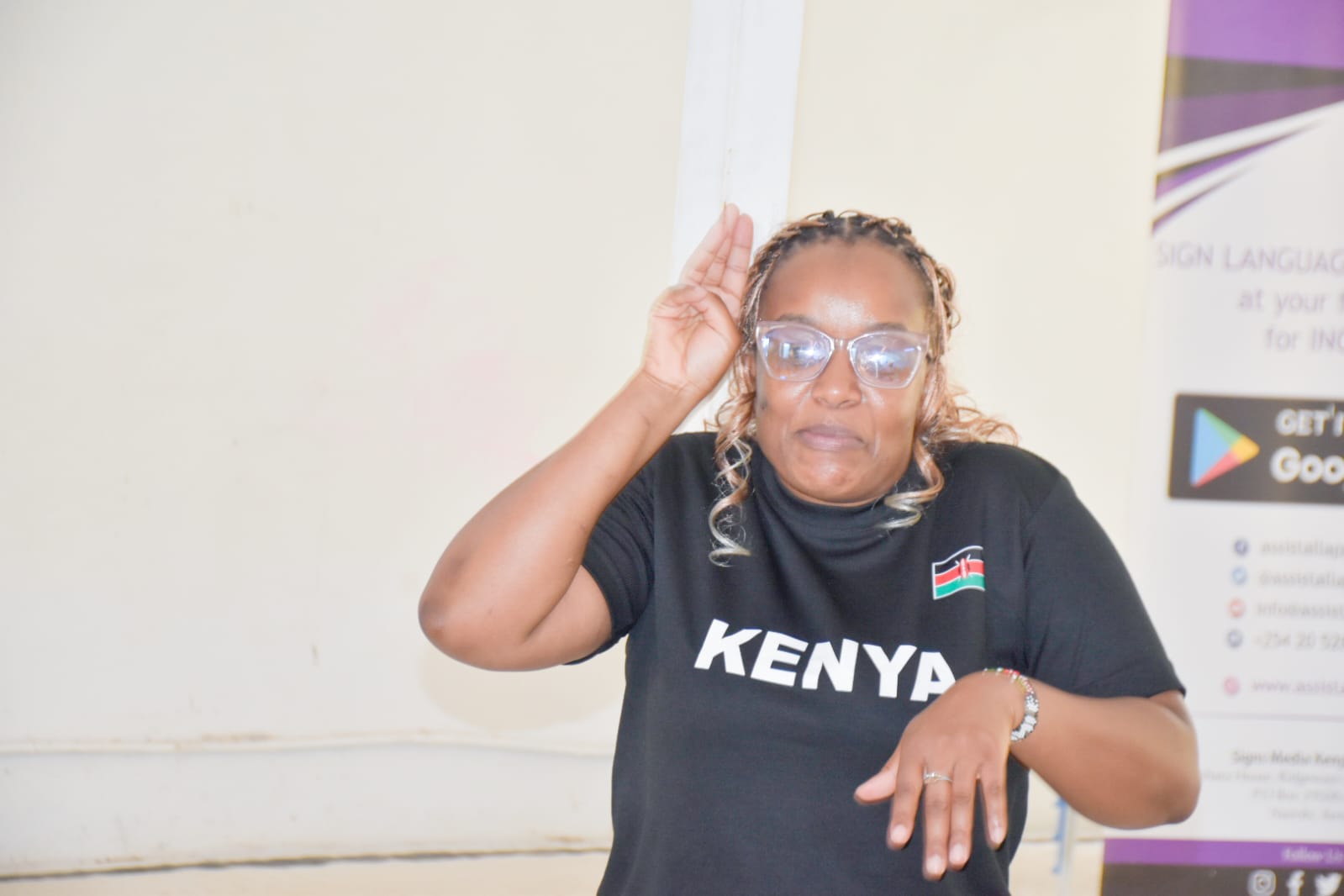
 Minnie Mbesa, a sign language interpreter, does the
interpretation to members of the deaf community /STEPHEN ASTARIKO
Minnie Mbesa, a sign language interpreter, does the
interpretation to members of the deaf community /STEPHEN ASTARIKO
Stakeholders are urging governments, technology firms and development partners to prioritise the inclusion of the deaf community in ongoing digital transformation efforts.
Speaking in Garissa during a digital literacy training for the deaf last week, Signs Media MD Luke Muleka warned that failure to act risks deepening existing inequalities.
“It is very important that we have the deaf also involved in digital literacy because many services have moved online,” he said.
"If we leave them out, then we are leaving them behind and not aligning with the 2030 development agenda of leaving no one behind."
The programme was conducted at at the Garissa government guest house.
It is part of the 'Access to Digital Literacy' initiative focused on equipping persons with disabilities in eight Asal counties with essential computer skills.
It is implemented by KICTANet and the ICT Authority with funding from the British High Commission in Kenya through the UK government.
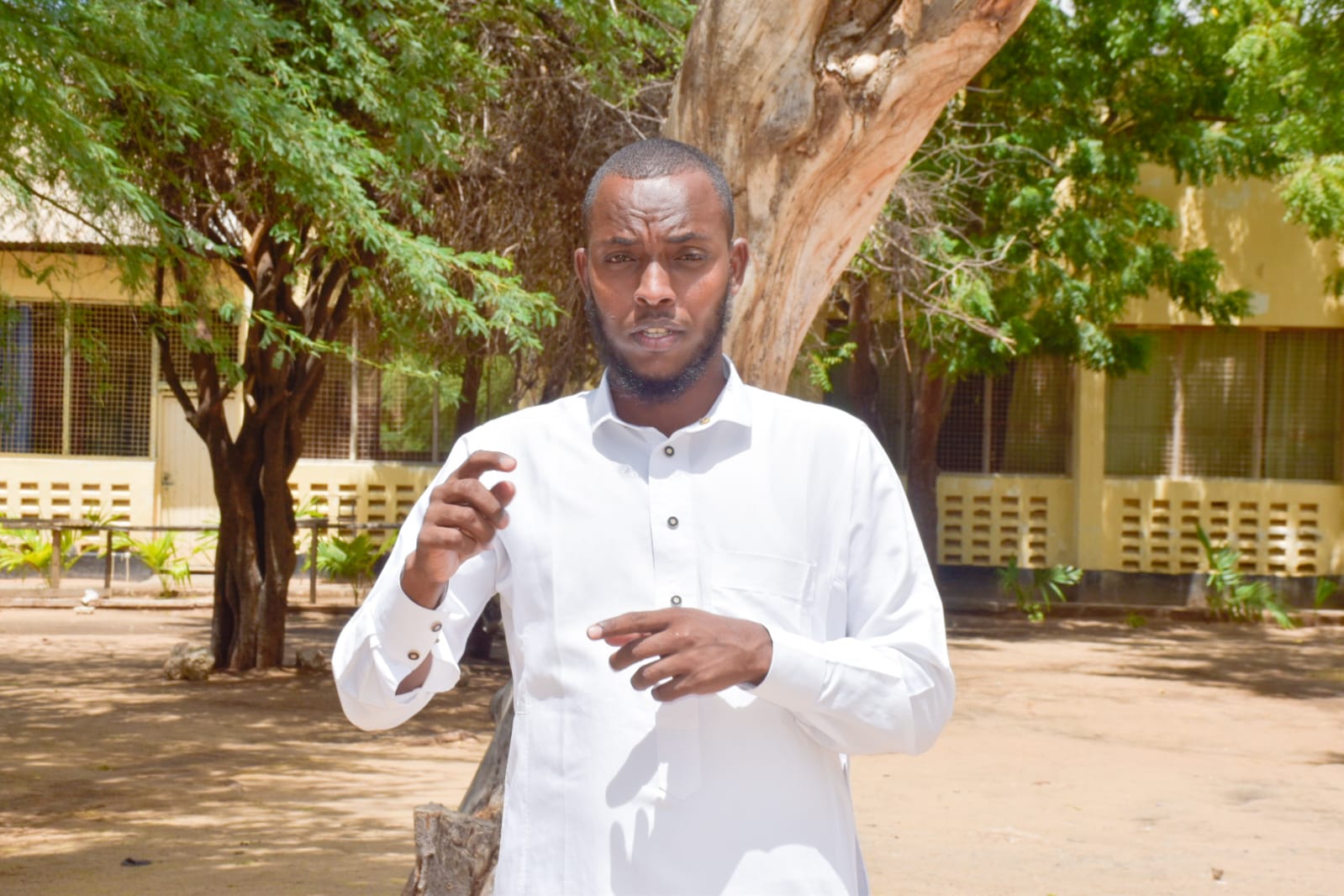 Bashir Kahiye, a member of the deaf community. /STEPHEN
ASTARIKO
Bashir Kahiye, a member of the deaf community. /STEPHEN
ASTARIKOMuleka said rapid technological advancements are reshaping economies and societies, saying that the deaf community should not be left out.
He said the participants had successfully acquired basic digital skills and expressed satisfaction with the training. He added that the initiative in Garissa marks a significant step toward bridging the digital divide for the deaf community.
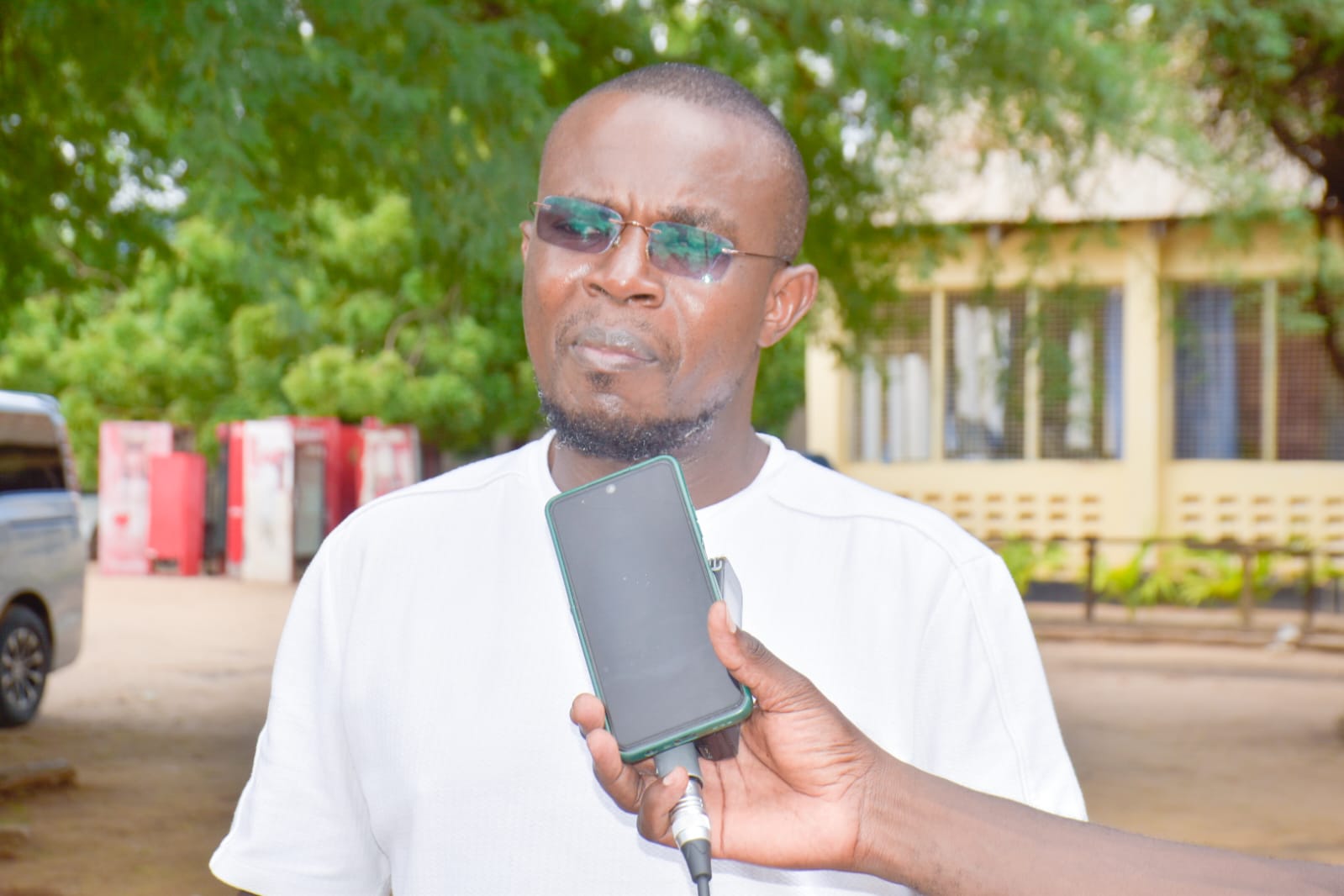 Luke Muleka, Signs Media founder and Managing Director, speaking
to the press in Garissa. /STEPHEN ASTARIKO
Luke Muleka, Signs Media founder and Managing Director, speaking
to the press in Garissa. /STEPHEN ASTARIKO“Everything has shifted to digital platforms. If the deaf are left behind, they will not be able to access these services,” Muleka added, noting that more than 5,000 government agencies have already digitised their services.
Beyond digital skills, the programme also introduced participants to new employment opportunities.
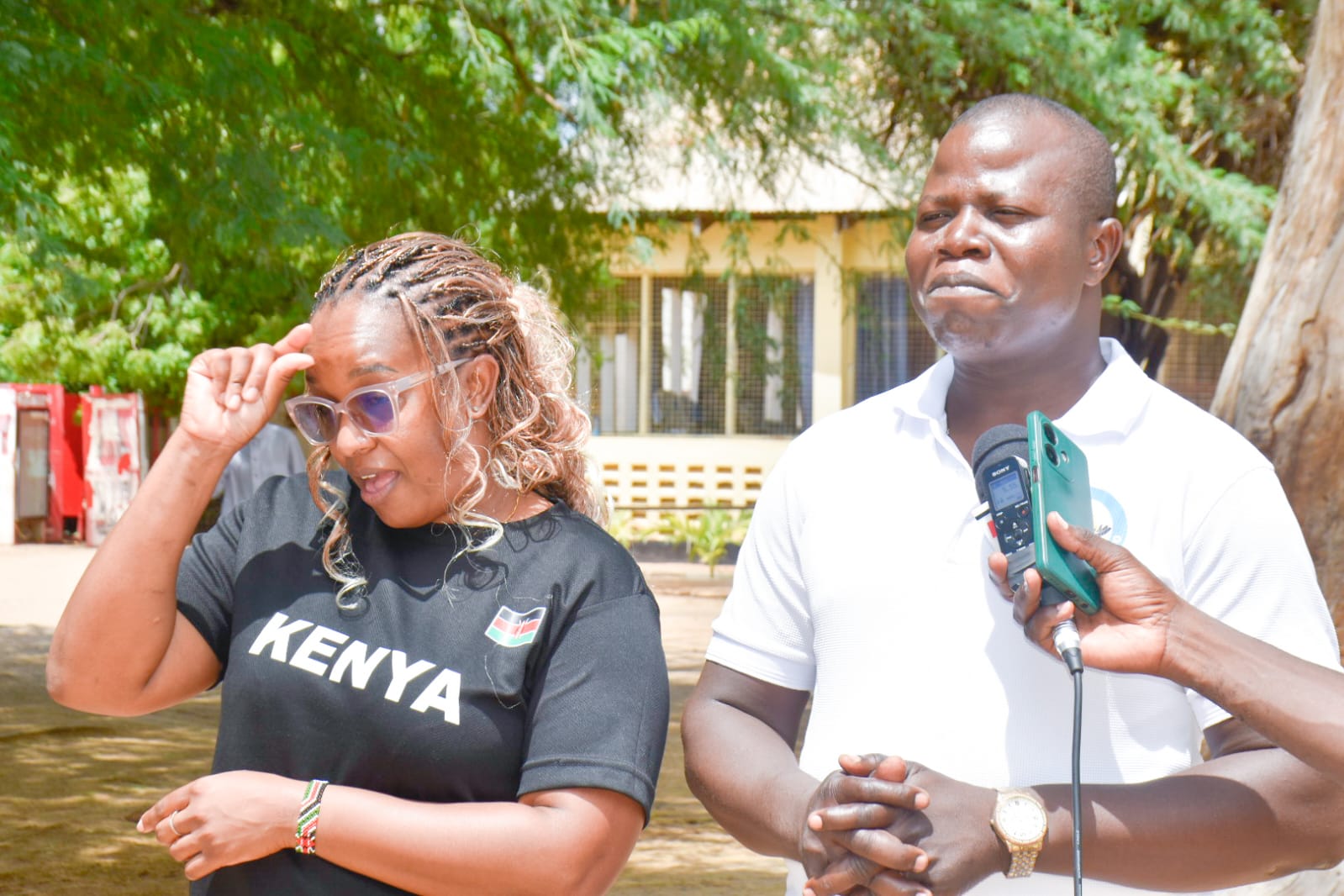 Barasa Wandera, a sign language interpreter in Garissa, speaking to the press. While Minnie Mbesa, a Sign language interpreter, does the
interpretation to members of the deaf community /STEPHEN ASTARIKO
Barasa Wandera, a sign language interpreter in Garissa, speaking to the press. While Minnie Mbesa, a Sign language interpreter, does the
interpretation to members of the deaf community /STEPHEN ASTARIKO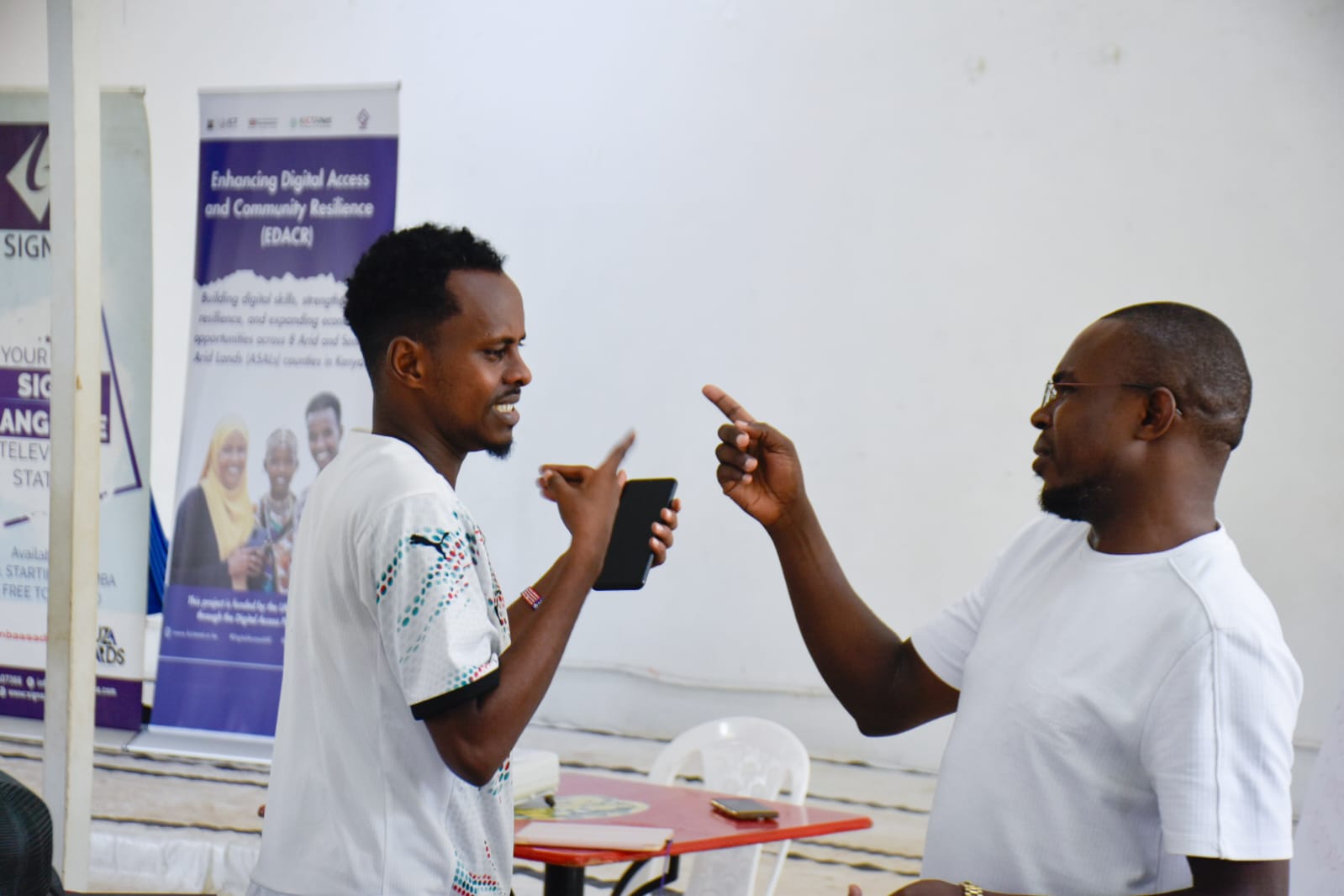 Luke Muleka, Signs Media founder and Managing Director, has a
word with a member of the deaf community. /STEPHEN ASTARIKO
Luke Muleka, Signs Media founder and Managing Director, has a
word with a member of the deaf community. /STEPHEN ASTARIKOMuleka added that the initiative adopts a holistic approach by combining digital literacy, service accessibility and employment creation.
Barasa Wandera, a sign language interpreter in Garissa, welcomed the initiative and lauded the collaboration between the county government, the Ministry of Health and development partners.
“Initially, deaf members of this community faced many challenges when accessing medical services,” he said.
"But now, with the mobile app, interpreters can assist remotely, making it easier for deaf patients to communicate with healthcare providers."
He added that healthcare workers, including doctors and nurses, have also been trained on how to communicate effectively with deaf patients using the application.
A member of the deaf community, Bashir Kahiye, expressed optimism about the impact of the training, particularly in improving healthcare services.
“A sign language interpreter plays a crucial role in our lives. When that link is missing, healthcare providers struggle to deliver services effectively,” he said.
"This has led to misdiagnosis, poor adherence to prescriptions and missed follow-ups."
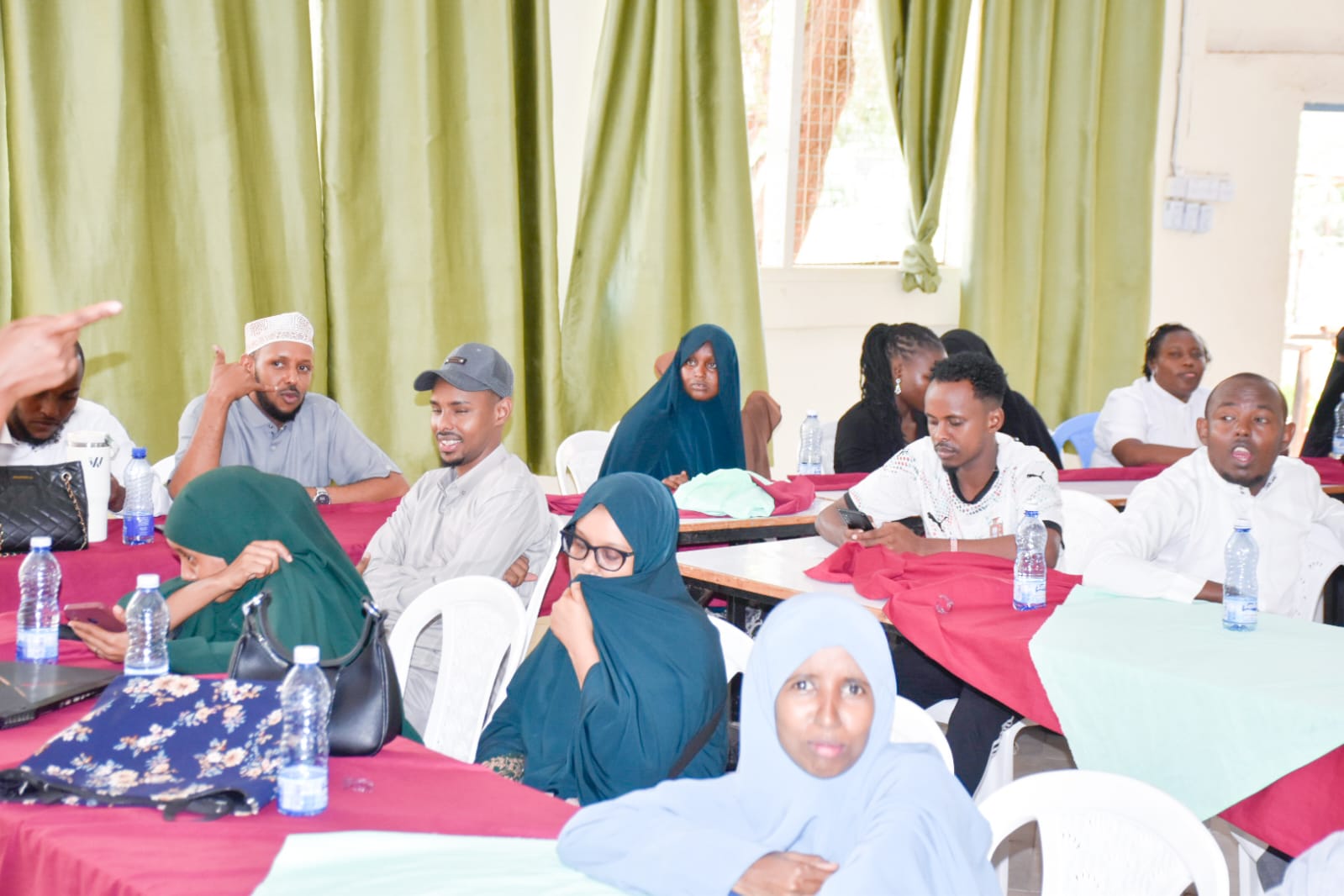 Members of the deaf community from Garissa participated in a
three-day digital literacy training. /STEPHEN ASTARIKO
Members of the deaf community from Garissa participated in a
three-day digital literacy training. /STEPHEN ASTARIKOHe pointed out that the exclusion of deaf individuals from digital ecosystems has far-reaching consequences, including limited access to critical information, reduced participation in the digital economy and diminished opportunities for social engagement.
This, he said, undermines broader national and global goals of equitable development.
“The deaf community has often felt left out of development programmes. This is a conversation we need to elevate nationally to ensure they are reached and supported wherever they are,” he said.