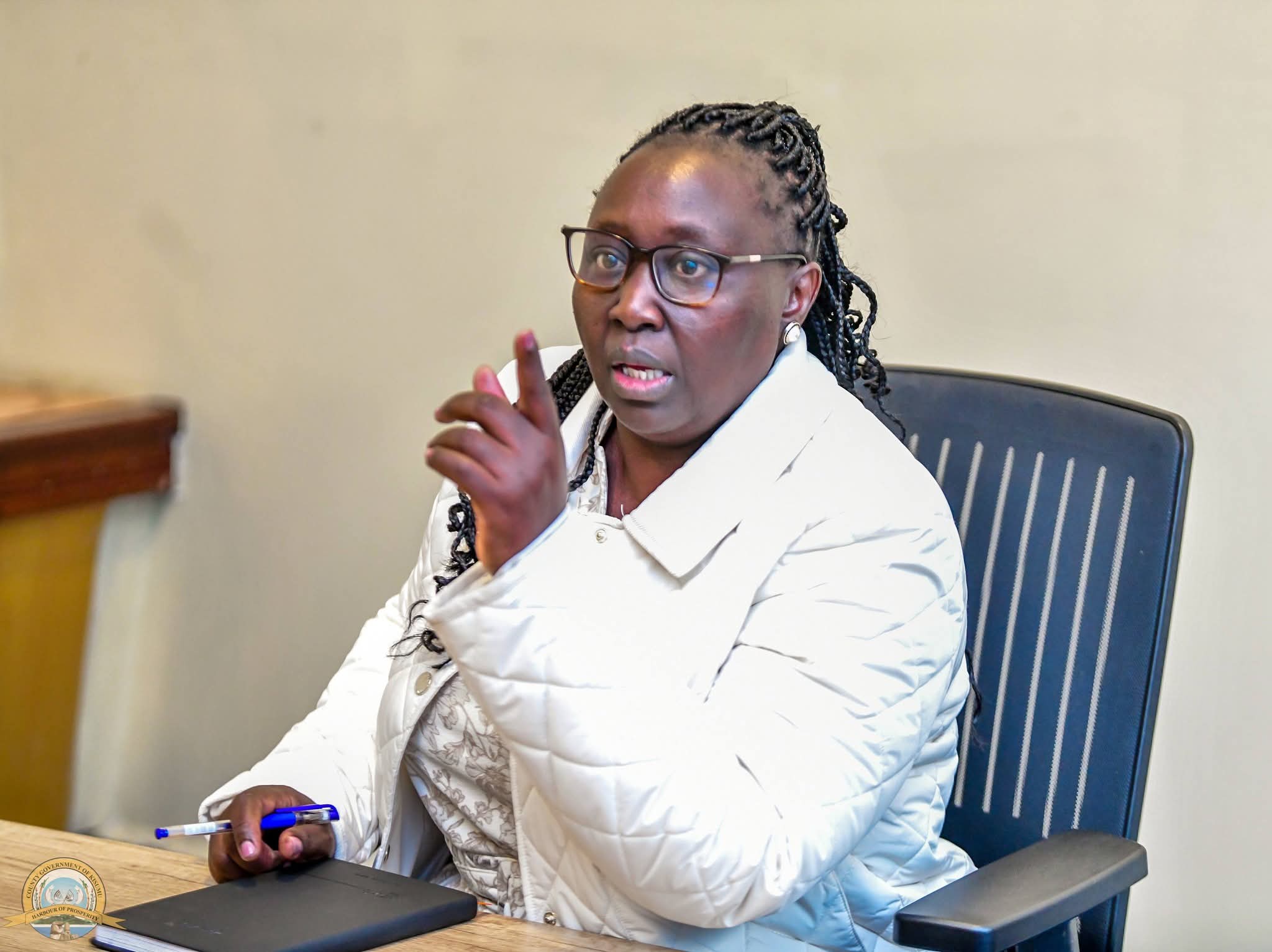
Children in conflict with the law are being held in remand homes for years far beyond the legal six-month limit highlighting serious gaps in Kenya’s child protection system.
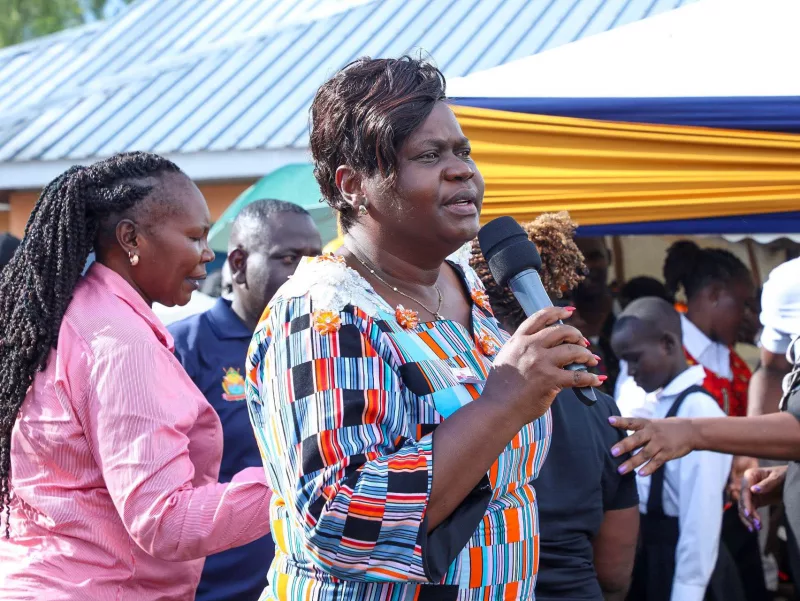
GenderCabinet SecretaryHannah Cheptumo raised concern during an inspection tour of the Kisumu Children Remand Home, part of a wider assessment of children’s institutions and gender-based violence rescue centres across Nyanza and Western regions.
“It is worrying that some children remain here for more than two years yet the maximum period should be six months,” she said.
Cheptumo linked the prolonged stays to delays in court processes, weak coordination among government agencies and limited funding, calling for urgent reforms to speed up case handling and ease congestion in the facilities.
The country has 14 such institutions housing vulnerable children, including those living with disabilities and minors placed there by courts as they await case determination.
She also raised concern over foreign children particularly from Uganda whose cases have been concluded but remain in custody due to lack of facilitation for repatriation.
“We need resources to support their return home. That remains a key challenge,” she said.
Logistical challenges, including lack of transport to take children to court, are further slowing down the justice process.
The CS emphasised that children in conflict with the law must be handled in a way that protects their dignity and privacy.
Staff shortages have also strained operations, with caregivers and teachers overstretched and unable to provide adequate supervision.
“These children need constant attention. We must increase the number of caregivers and support staff to ensure proper care,” she said.
The inspection further revealed deteriorating infrastructure in several facilities.
In the short term, the ministry plans to renovate and upgrade key amenities, subject to parliamentary budget approval.
Long-term plans include building modern, integrated centres with schools, playgrounds and residential units to provide comprehensive care.
“We are looking at establishing facilities where all essential services are centralised,” she said.
Cheptumo called for stronger collaboration between national and county governments, alongside the justice, health and education sectors, to ensure faster case resolution and better outcomes for children.
The tour, conducted with members of the National Assembly Departmental Committee on Social Protection, is part of parliamentary oversight on the welfare of children in conflict with the law.
The team also visited similar facilities in Kakamega.
She said the visits follow a directive by William Ruto for CSs to conduct ground assessments and propose practical solutions.
The findings are expected to inform future budget allocations and policy reforms aimed at improving conditions in children’s institutions.