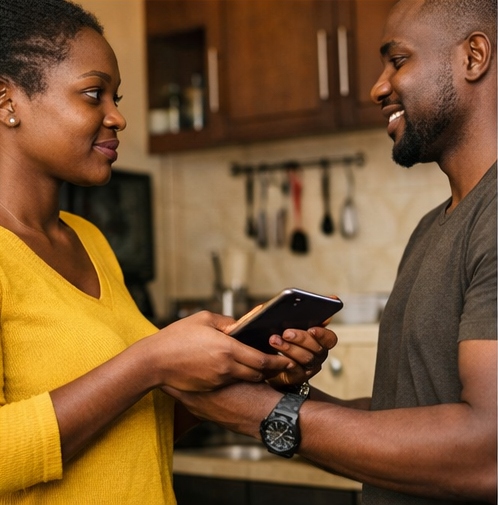
Should couples in a relationship or marriage have access to each other’s phones? The question continues to spark debate as smartphones become central to communication, finances, and social interactions in modern relationships.
Read Also
Relationship experts say the discussion often centres on trust, privacy, and mutual understanding between partners.
Growing Debate Around Digital Privacy
With smartphones storing personal messages, social media conversations, banking applications, and private photos, many couples are increasingly discussing boundaries around phone access. Some believe sharing phone passwords promotes transparency, while others argue that privacy remains a personal right even in committed relationships.
A 2023 survey by Pew Research Centre found that more than 60% of adults in committed relationships share at least one digital password with their partner, highlighting a growing trend toward digital openness. However, the same findings showed that many people still value personal digital space.
Mixed Views from Office Respondents
Gabriel said phone access depends on the closeness between partners.
“It depends on the level of intimacy.”
“Of course, if there is nothing to hide, then accessibility shouldn’t be an issue.”

Balancing Trust and Privacy
Relationship counsellors note that couples often share phone access to build transparency, manage shared responsibilities, and handle emergencies.
In many marriages, shared access is viewed as part of teamwork, especially when dealing with finances, parenting, or communication.
However, psychologists warn that forced access or constant monitoring of a partner’s phone may signal deeper trust issues and could lead to conflict or emotional distance.
Studies in relationship psychology suggest that healthy relationships balance transparency with personal boundaries, allowing partners to feel secure while maintaining individuality.

Finding Common Ground
Experts recommend open communication rather than strict rules about phone access. Couples are encouraged to discuss expectations early and agree on boundaries that work for both partners, including voluntary password sharing and respect for private conversations.
Ultimately, the decision on phone access varies from couple to couple and is often shaped by trust, cultural expectations, and individual values.