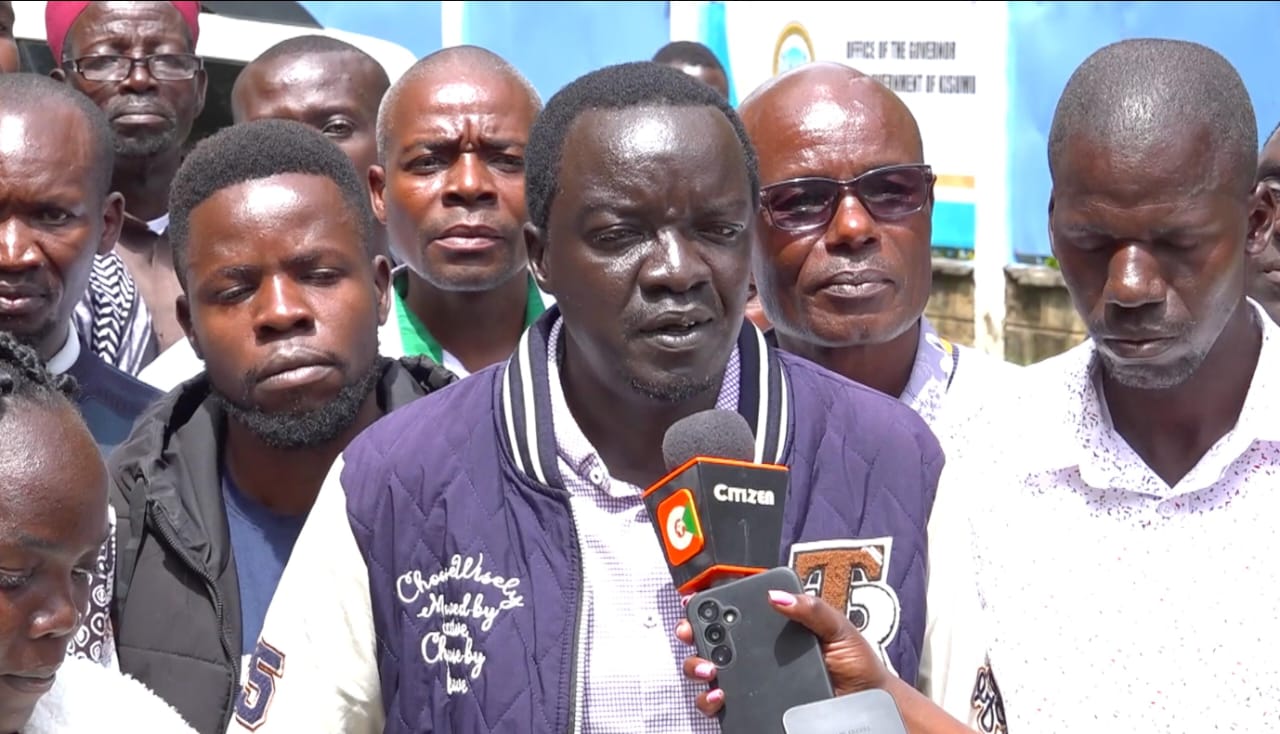
Twenty-eight families of those killed or injured during the 2023 anti-government protests have lived with grief, scars and unanswered questions.
But Wednesday’s High Court ruling in Kisumu brought something many thought they might never see. It was a measure of justice.
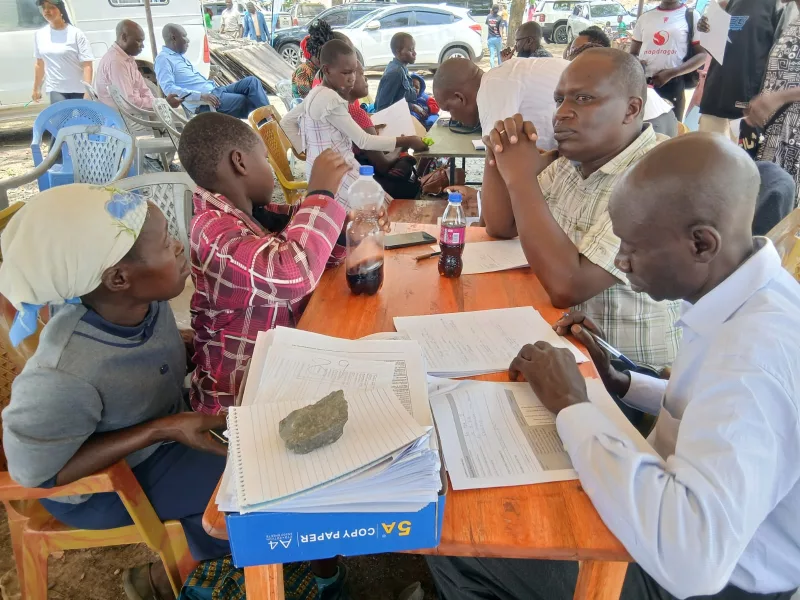
Quiet prayers were whispered and a sense of relief filled the families as the court awarded more than Sh38 million in compensation to victims of police brutality and families of those killed.
The 28 petitioners from Kisumu, Migori and Ahero were awarded between Sh300,000 and Sh4 million depending on the severity of injuries, permanent disability or loss of life.
The judgment, delivered by Justice Alfred Mabeya, found security officers used excessive and unlawful force against civilians, leading to deaths, serious injuries and lasting trauma.
For many families, the ruling was not just about compensation, but long-awaited recognition of their suffering.
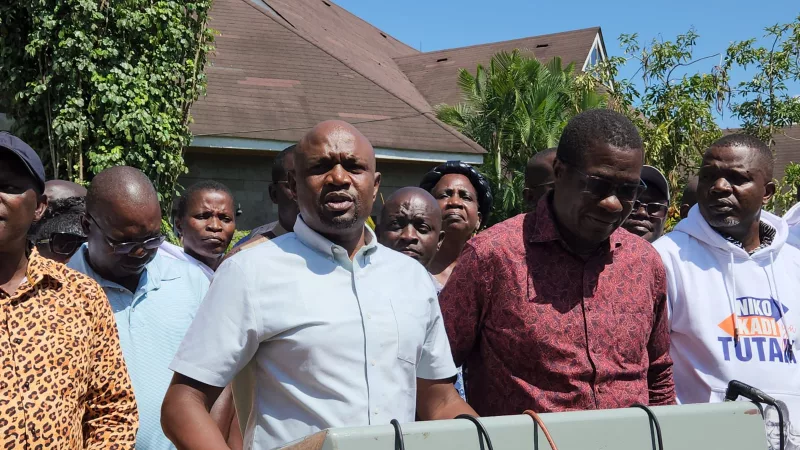
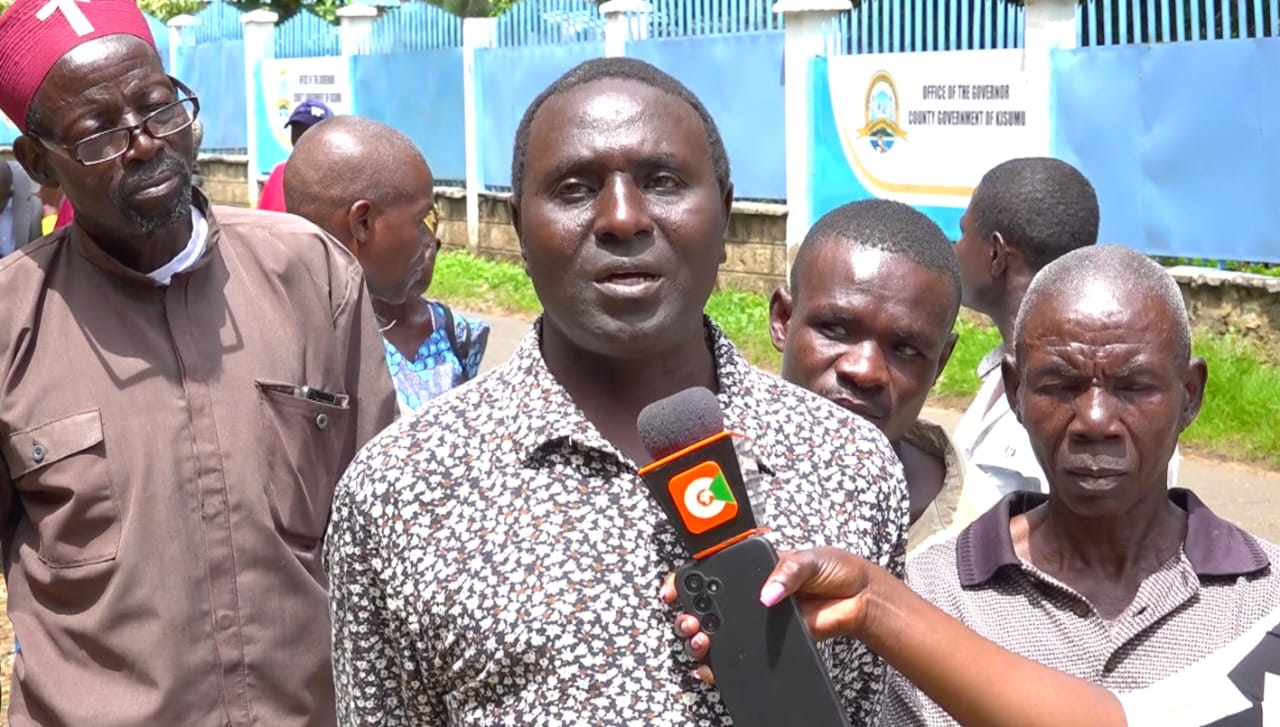
“Even though we will never see our loved ones again except through pictures, we believe justice has been served with this judgment,” Charles Kiwendo, who lost his son Joshua, said.
As he spoke, his voice carried both relief and grief the kind that lingers long after the courtrooms empty.
“We ask that such incidents should never happen again to other people, especially as we approach elections. Police should not mistreat, injure, shoot or unlawfully kill citizens,” Kiwendo said.
He described the pain of losing a child as something that never fades, noting every new case of police violence reopens old wounds.
“As a parent, this deeply pains me. Whenever I see such incidents happen to anyone, it brings back the pain we went through. Excessive use of force and police brutality must stop,” he added.
For John Ahala, who lost his son during the protests, said the family was relieved that justice had finally been served, describing the ruling as the end of a long and painful journey.
He called for the immediate implementation of compensation and urged the Independent Policing Oversight Authority (IPOA) to continue with its work as directed by the court.
Ahala expressed hope that as the country heads toward the next general election, such incidents will not be repeated, stressing that no other family should have to endure the kind of suffering they have experienced.
A painful journey for survivors
For survivors like Ken Omondi, the ruling marked the end of a long and difficult road to recovery physically and emotionally.
“We thank God that today we have been vindicated and justice has been served. We hope that all the court’s declarations will be implemented,” he said.
Omondi, who was once bedridden after sustaining injuries during the protests, said his recovery has been a gradual and painful journey.
“From being bedridden to now walking again, it has not been easy. We continue to pray for strength and hope such incidents will never happen again,” he said.
Others, like Linda Aol, who lost her brother, spoke of the resilience it took to pursue justice.
“It has not been an easy journey. We have attended court sessions tirelessly, some of us travelling from far, but we never missed any session,” she said.
She expressed hope the ruling would not only bring closure but also accountability.
“We thank the court and hope everything will be implemented. IPOA should continue with investigations as ordered and those found culpable must be held accountable,” she said.
Stories behind the statistics
Behind the figures in the judgment are deeply personal stories of interrupted lives.
One such case is that of Brian Oliyo, a student at Kisumu National Polytechnic, whose life changed in a single evening.
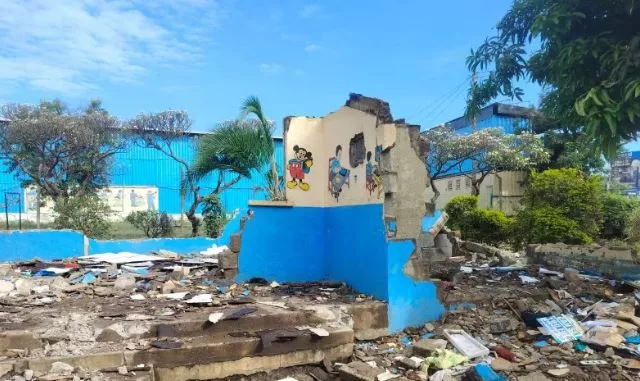
On July 20, 2023, while revising for his exams, police officers stormed his house, dragged him outside and assaulted him before leaving him injured.
Good Samaritans rushed him to hospital, where he was treated for a femoral fracture and a transverse patella fracture, leaving him with a permanent knee deformity and a five per cent disability.
The injuries forced him to defer his exams and repeat a year of study, incurring additional costs and emotional distress.
Oliyo said the court’s decision has offered a sense of relief after everything he went through.
In its ruling, the court held the conduct of police officers violated fundamental constitutional rights, including the right to life, human dignity and security of the person.
Justice Mabeya noted some victims were not even participating in demonstrations but were caught up in the violence, with others assaulted or shot inside their homes.
“The actions complained of are gunshots and assault; there is overwhelming evidence of what happened,” he said.
The court dismissed arguments by the state that the case was premature due to ongoing investigations, ruling that victims cannot be denied justice simply because investigations are incomplete.
The case was filed against the Inspector General of Police, the National Police Service, the Attorney General and the IPOA.
The court held that the Inspector General of Police bears ultimate responsibility for police actions, faulting the lack of clear operational guidelines during the protests.
“Someone has to take responsibility,” Justice Mabeya said.
The court also criticised delays in investigations by IPOA, noting that justice for victims had taken too long.
“There is no investigation that can be too complex as to take forever,” he said.
The ruling came against the backdrop of the 2025 Missing Voices Annual Report, which documents a continued pattern of police violence, particularly during protests.
According to the report, police killings increased by 20 per cent in 2025, rising from 104 cases in 2024 to 125 cases, with shootings being the leading cause of death.
Young people aged between 19 and 35 remain the most affected, with men accounting for the majority of victims.
The court described the 2023 protest period as one marked by “tears, blood and death,” underscoring the scale of violations witnessed.
In awarding compensation to 28 petitioners from Kisumu, Migori and Ahero, the court emphasised that while money cannot replace lives lost, it serves as recognition of wrongdoing and a step towards justice.
The matter will be mentioned on July 7, to confirm compliance with the orders issued.
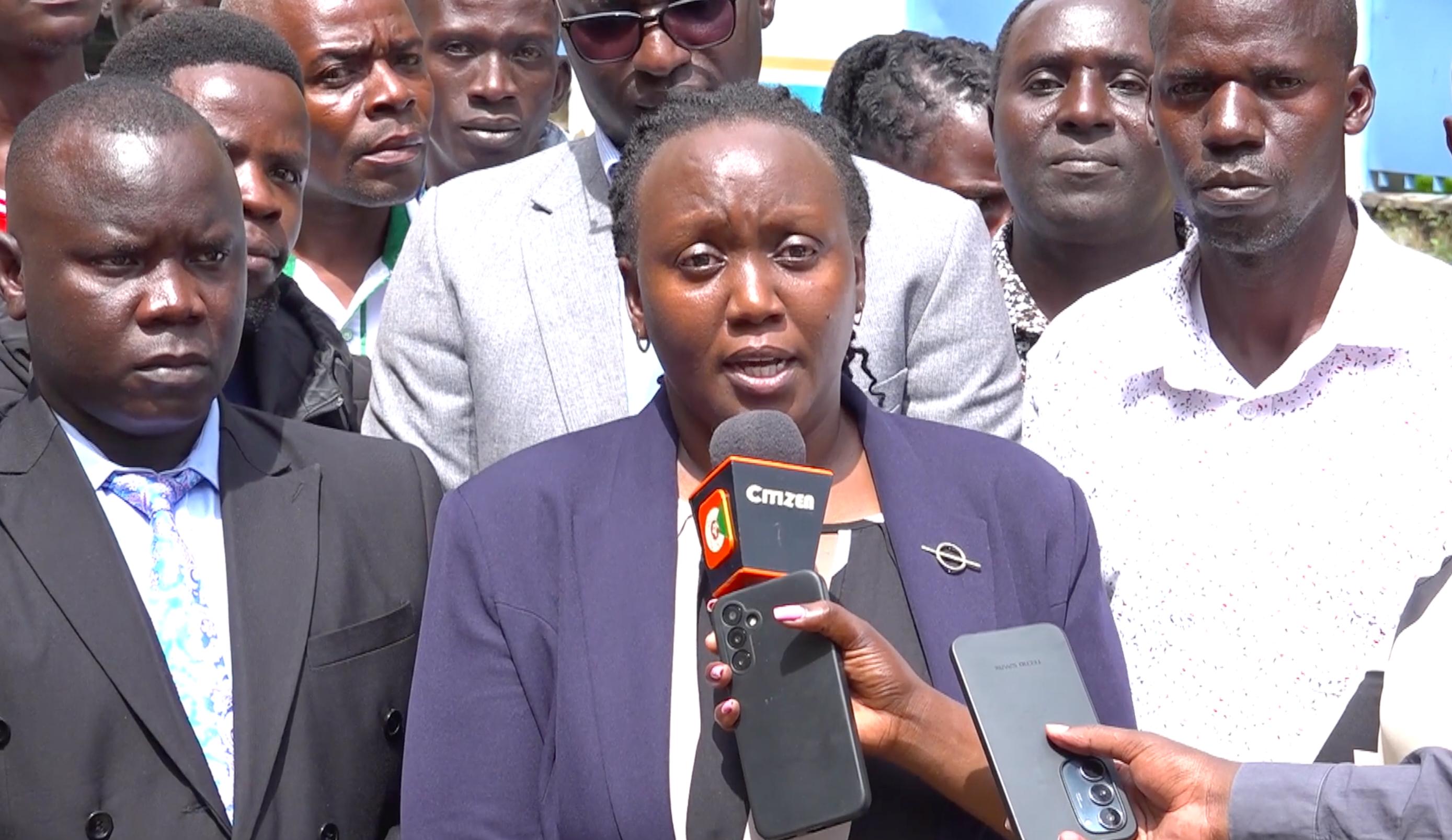
International Justice Mission (IJM) Kenya senior manager Ruth Kuhuria described the ruling as a significant milestone.
“Some of these victims never thought they would live to see this day. This is a momentous occasion for us,” she said.
Kuhuria said the judgment should serve as a lesson on how protests are handled and the need for a victim-centred approach to justice.
“IPOA must complete its investigations and present its findings in court. We hope this marks a turning point in ensuring justice for victims,” she added.
For families like Kiwendo’s, however, justice remains a bittersweet step forward, but one that cannot undo the loss.
Still, they hope the ruling will mark the beginning of change, where protests no longer end in tragedy, and where the duty to protect life is upheld above all else.