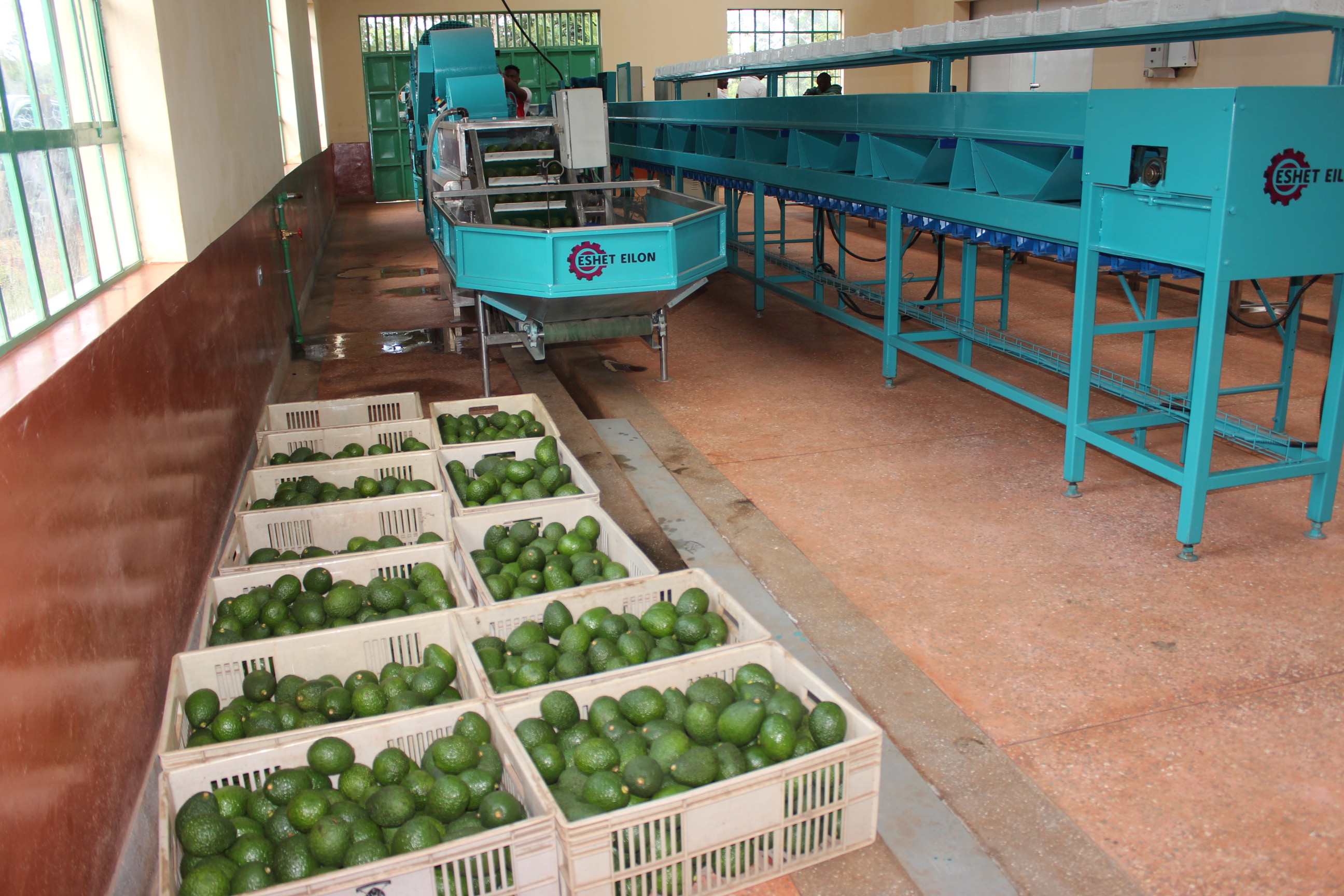
 The newly opened
avocado aggregation centre in Kandara, Murang'a county/FILE
The newly opened
avocado aggregation centre in Kandara, Murang'a county/FILEThe Agriculture and Food Authority has announced that the harvesting of avocados for export by sea will begin on April 2, 2026, following an earlier delay due to low maturity levels.
In a notice dated March 25, 2026, the Authority said a field survey conducted between March 1 and March 6 in major production zones showed that the fruits were not ready for harvesting, prompting an extension of the restriction.
“The mature fruits were deemed insufficient to warrant opening of the avocado harvesting season then,” the Authority said.
However, AFA noted that fruit maturity has since improved, allowing the export window to open next month.
“All fresh export produce will be subject to packhouse inspection from April 7, 2026. Exporters are required to apply for inspection at least three days prior to shipment,” the notice reads.
The regulator has also directed exporters to submit a list of their duly registered Horticultural Produce Marketing Agents or suppliers by March 30, 2026, as part of efforts to streamline the sector.
In addition, harvesting of avocados for oil processing will commence on April 30, 2026, with AFA noting that fruits meant for oil require higher maturity indices.
The Authority warned exporters and processors against harvesting and handling immature avocados, saying strict enforcement measures will be applied.
“It has been noted that some exporters and processors are harvesting immature avocado. The Authority shall be conducting packhouse and avocado oil processing facility surveillance,” the notice states.
AFA further directed that all harvested avocados must be transported in crates, cautioning that those found using open pick-up trucks or other non-compliant methods risk losing their licences.
“Exporters or their agents found transporting or receiving avocado without crates or on open pick-up trucks, contrary to the horticulture regulations, will have their registration or licence revoked,” the Authority said.
The directive comes as Kenya continues to safeguard the quality of its avocado exports in key international markets, where demand has been growing steadily in recent years.
Kenya remains one of the leading avocado producers globally, with the crop becoming a key foreign exchange earner in recent years.
The country produced more than 540,000 metric tonnes of avocados, with production largely driven by small-scale farmers who account for the bulk of output.
Avocado farming has expanded steadily, with increased acreage and rising demand in export markets boosting the sector’s value to billions of shillings annually.
AFA said the measures are aimed at ensuring only mature and quality produce reaches the market, while protecting the country’s reputation as a leading exporter of avocados.