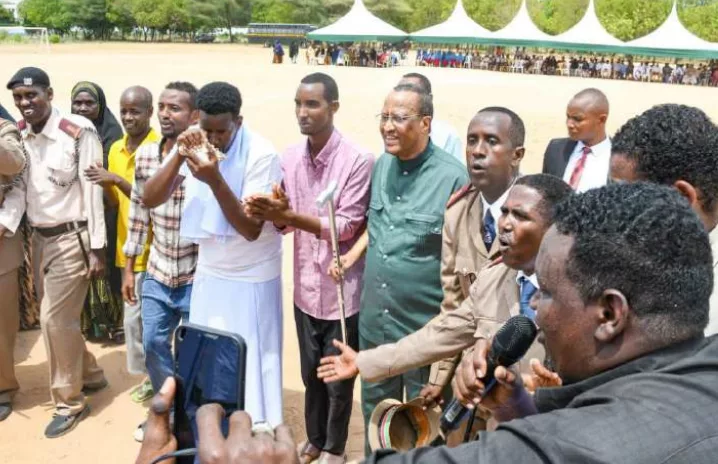
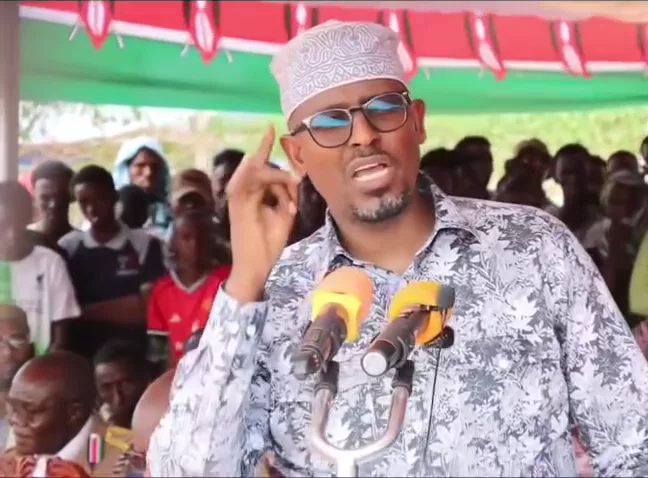
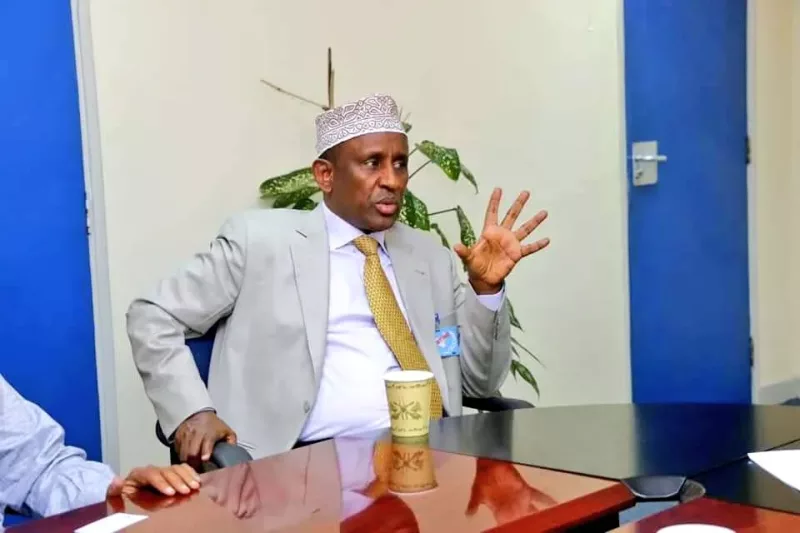
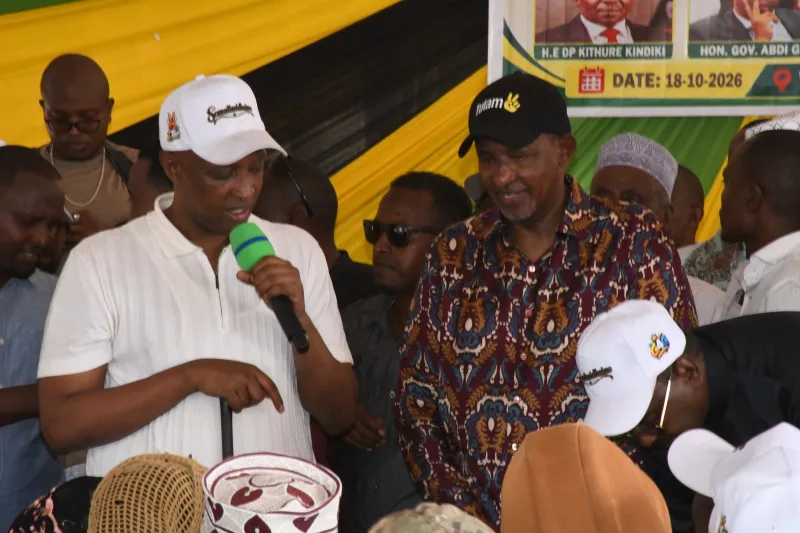
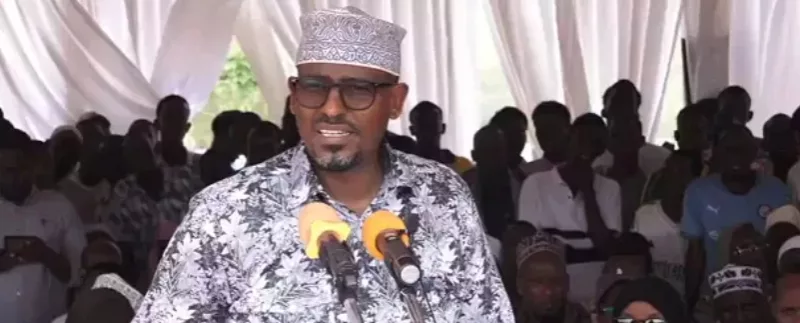
 Garissa County Director of Health, Aden Hussein speaking to
the press. /STEPHEN ASTARIKO
Garissa County Director of Health, Aden Hussein speaking to
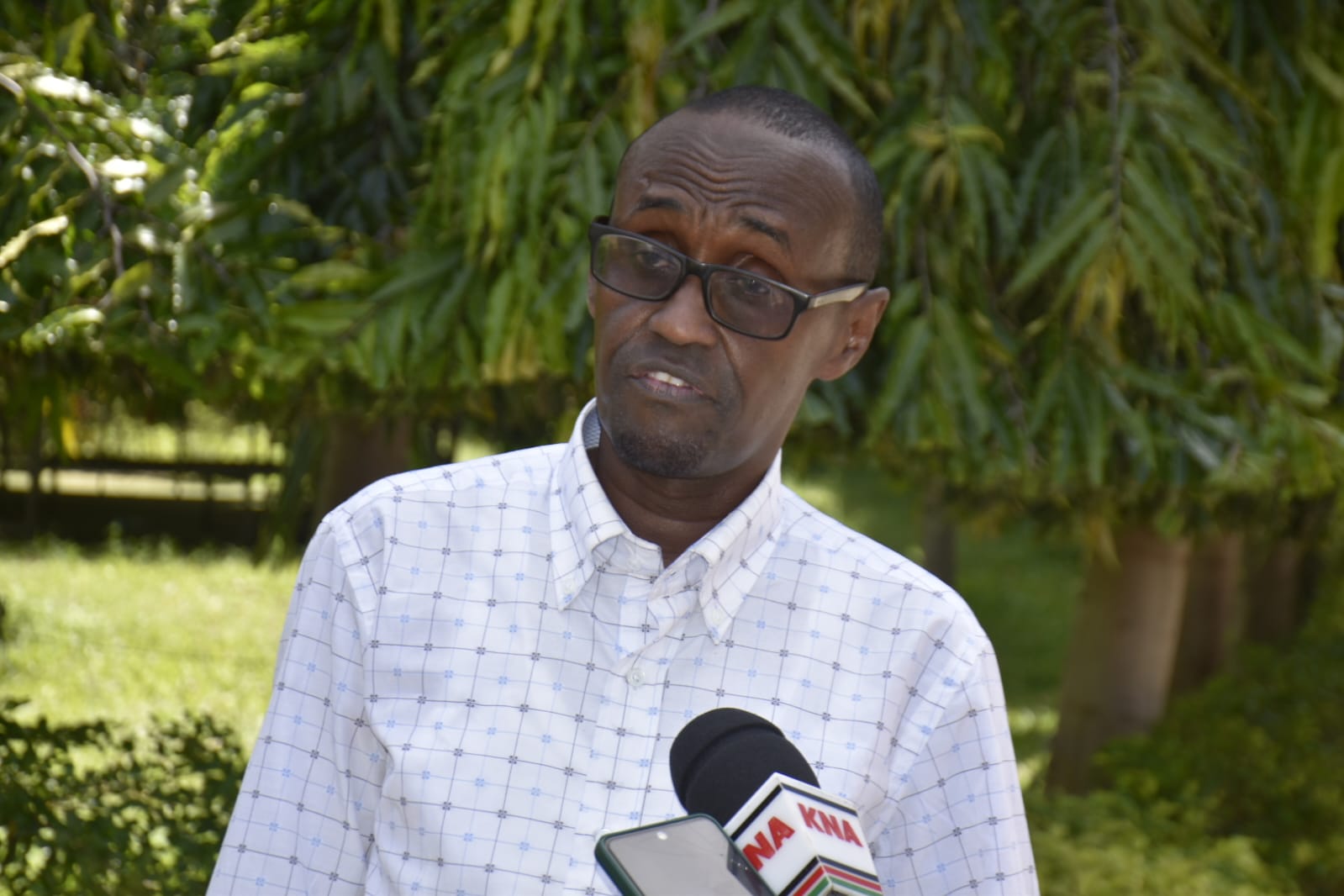
the press. /STEPHEN ASTARIKO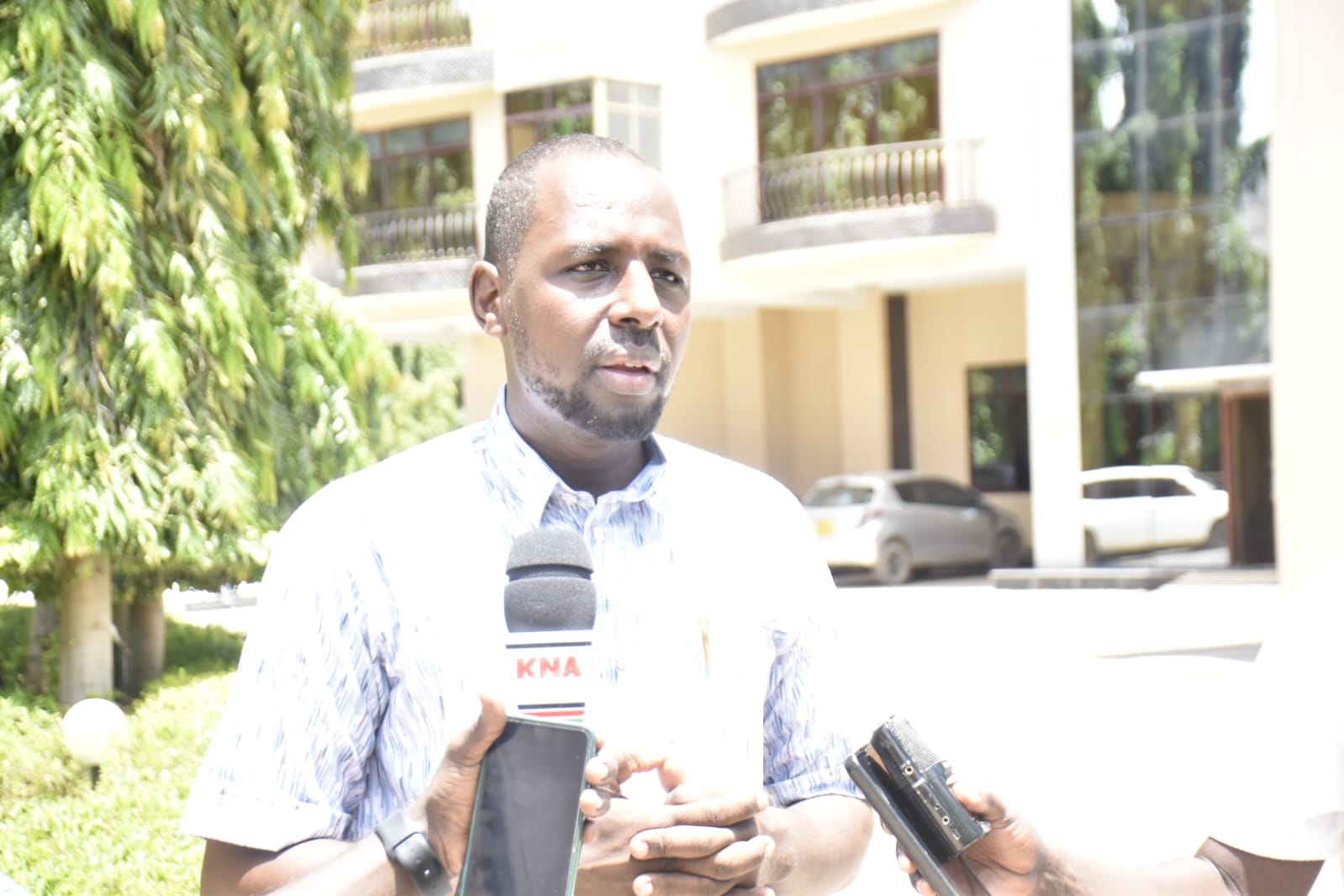 Abdirahman Dahir, a health care provider at the Holugho
Sub-County hospital speaking to the press at a Garissa hotel on the sidelines
of the training. /STEPHEN ASTARIKO
Abdirahman Dahir, a health care provider at the Holugho
Sub-County hospital speaking to the press at a Garissa hotel on the sidelines
of the training. /STEPHEN ASTARIKO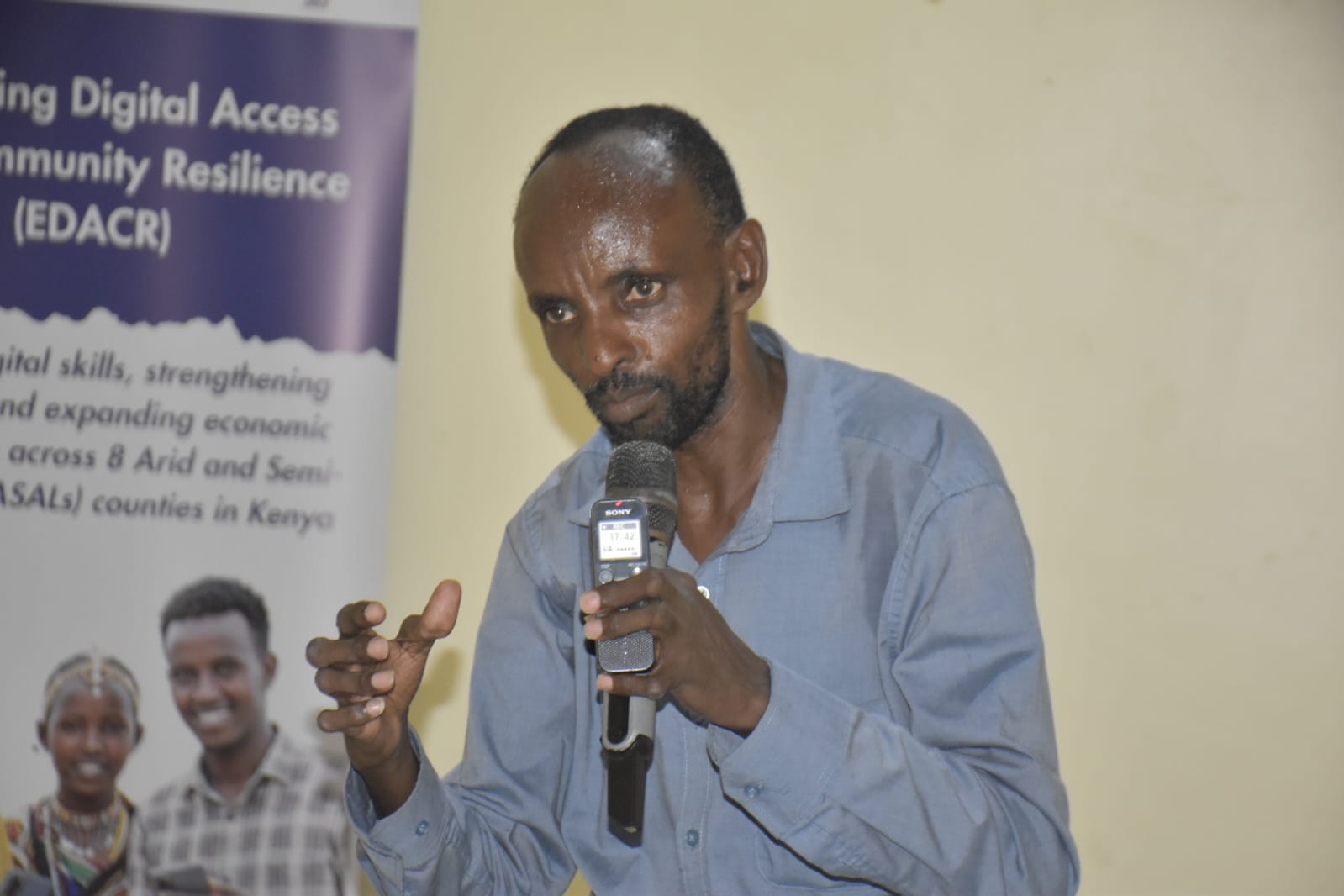 Mohamud Kulula, Garissa County coordinator disability
services/STEPHEN ASTARIKO
Mohamud Kulula, Garissa County coordinator disability
services/STEPHEN ASTARIKO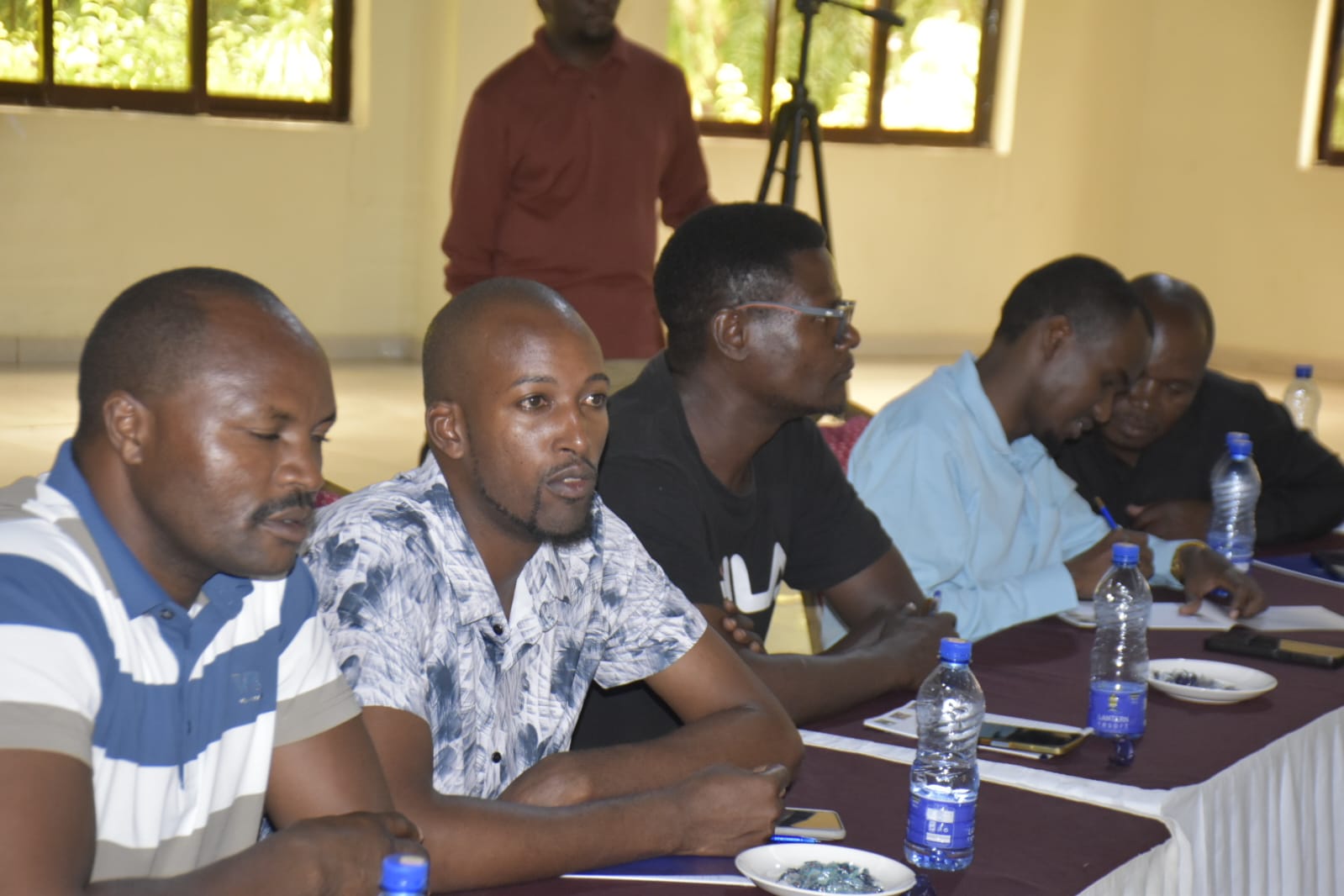
Healthcare practitioners from Garissa sub-counties and county referral hospital being trained on disability mainstreaming and use of sign language interpreter mobile app assistALL when attending to the deaf at the hospitals./STEPHEN ASTARIKO
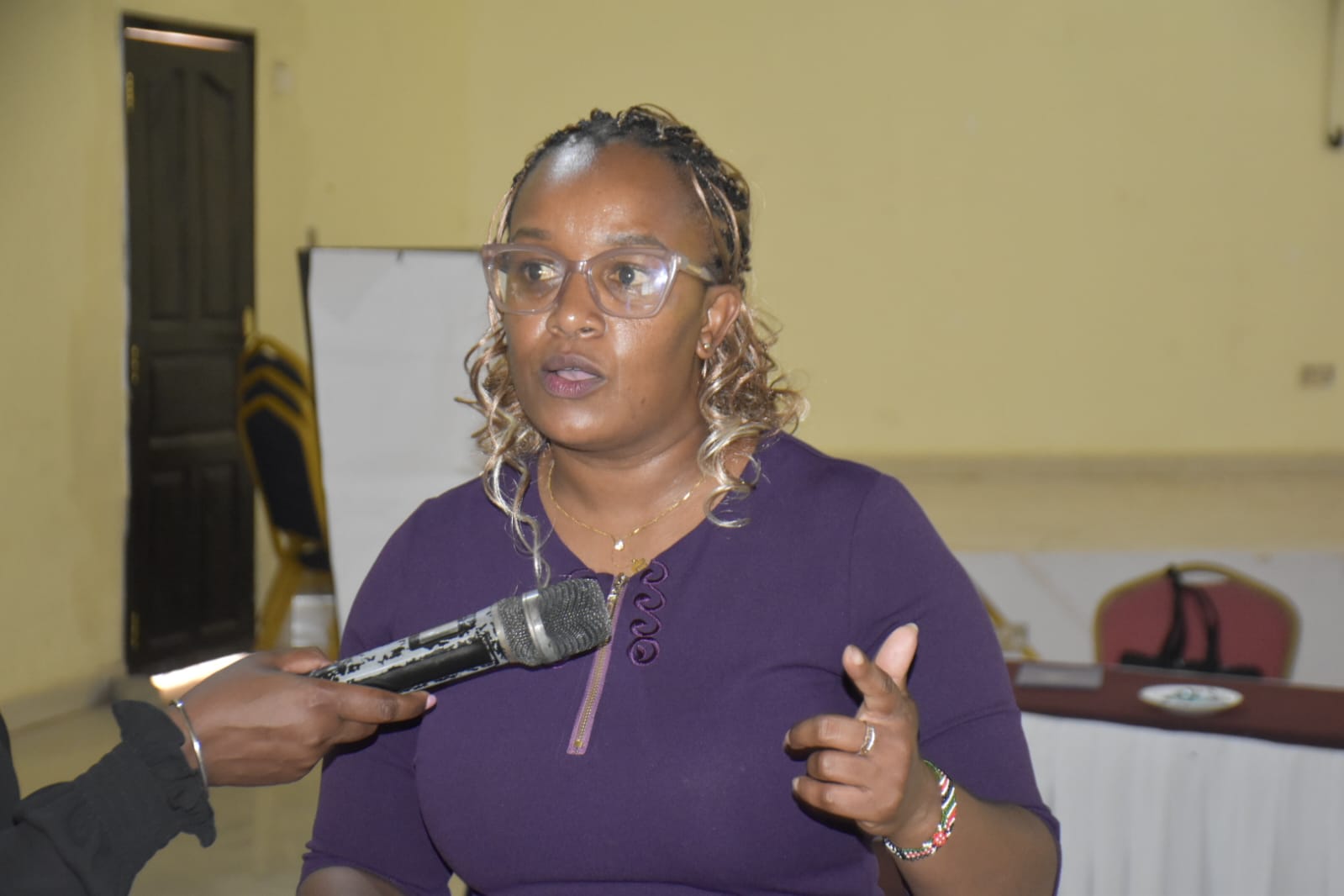 Minnie Mbesa a Sign language interpreter at the meeting. /STEPHEN
ASTARIKO
Minnie Mbesa a Sign language interpreter at the meeting. /STEPHEN
ASTARIKOGarissa County has taken a significant step toward inclusive healthcare following the launch of the assistALL mobile application.
The innovation by Signs Media Kenya, designed to provide on-demand sign language interpretation services across health facilities.
The initiative, implemented in partnership with the Garissa County Government, aims to bridge long-standing communication gaps between healthcare providers and deaf patients, that have often led to misdiagnosis, poor adherence to prescriptions, and missed follow-up visits.
Speaking on Thursday during the launch where healthcare workers from sub-county and referral hospitals in Garissa underwent disability mainstreaming training, including the use of the assistALL app, Luke Muleka, founder and manager of Signs Media Kenya, highlighted the dual focus of the organization’s engagement in Garissa.
Additionally, more than 50 deaf individuals and sign language interpreters participated in the digital literacy program aimed at enhancing their engagement in the digital space.
“We are here in Garissa County doing two key things. First is a digital literacy program targeting the deaf community to empower them to use digital platforms to improve their lives. Secondly, we are training healthcare providers on disability mainstreaming, culminating in the launch of the assistALL application,” he said.
Muleka emphasized the critical role sign language interpreters play in ensuring effective service delivery for deaf individuals.
“A sign language interpreter plays a crucial role in the life of a deaf person. When that interface is missing, healthcare providers struggle to deliver services effectively. This has led to misdiagnosis, poor adherence to prescriptions, and missed follow-ups,” he explained.
The assistALL app, initially developed during the Covid-19 pandemic, allows healthcare workers to instantly connect with certified sign language interpreters at an affordable rate of KES 30 per minute through a per-second billing system.
The platform is already operational in several counties, including Nairobi, Busia, Turkana, and Mandera, and is now expanding to Garissa.
In addition to improving healthcare delivery, the app is also creating employment opportunities for sign language interpreters by connecting them directly with clients without logistical barriers.
Muleka noted that the initiative aligns with constitutional provisions on equality and non-discrimination.“Healthcare is a constitutional right. Article 54 is very clear, you cannot discriminate against anyone based on disability. This is why we are working with county governments to ensure inclusive healthcare services,” he added.
The project is supported under the Digital Access Programme, with implementing partners including KICTANet and the ICT Authority, and funding from the British High Commission in Kenya through the UK government.
Healthcare workers who participated in the training have welcomed the initiative, describing it as transformative.
Abdirahman Dahir, a health care provider at the Holugho Sub-County hospital, lauded the program for equipping them with essential skills.
“This is a very important program because it promotes inclusion, especially for the deaf who are often misunderstood in healthcare settings. For me, this is the first time I’ve been trained in sign language, and it has made a big difference,” he said.
He added that the training, which included both virtual and physical sessions, has enhanced their ability to communicate with deaf patients.
“Now, if a deaf person visits my facility, I can assist them. Before, I didn’t know even basic sign language. Today, I can greet and communicate at a basic level, which is a big step,” he noted.
Dahir also called for the expansion of the program to reach more healthcare facilities nationwide.
“I appeal for this program to be scaled up at the national level because it is very important. We really appreciate this initiative in Garissa County,” he said.
Garissa County Director of Health, Aden Hussein who closed the training underscored the importance of integrating disability-friendly services within the healthcare system.
“This training is meant to ensure disability mainstreaming within our health system so that we can provide inclusive and accessible services. It builds the capacity of healthcare workers to communicate effectively with deaf patients,” he said.
He noted that the county has already made strides in improving infrastructure and providing assistive services, and the new training further strengthens these efforts.
“Our goal is to improve equity and access to healthcare by ensuring that all patients receive quality services without discrimination,” he added.
The introduction of assistALL in Garissa marks a milestone in advancing inclusive healthcare, ensuring that deaf patients can access medical services with dignity, clarity, and confidence—bringing Kenya closer to its commitment to leave no one behind in achieving universal health coverage.