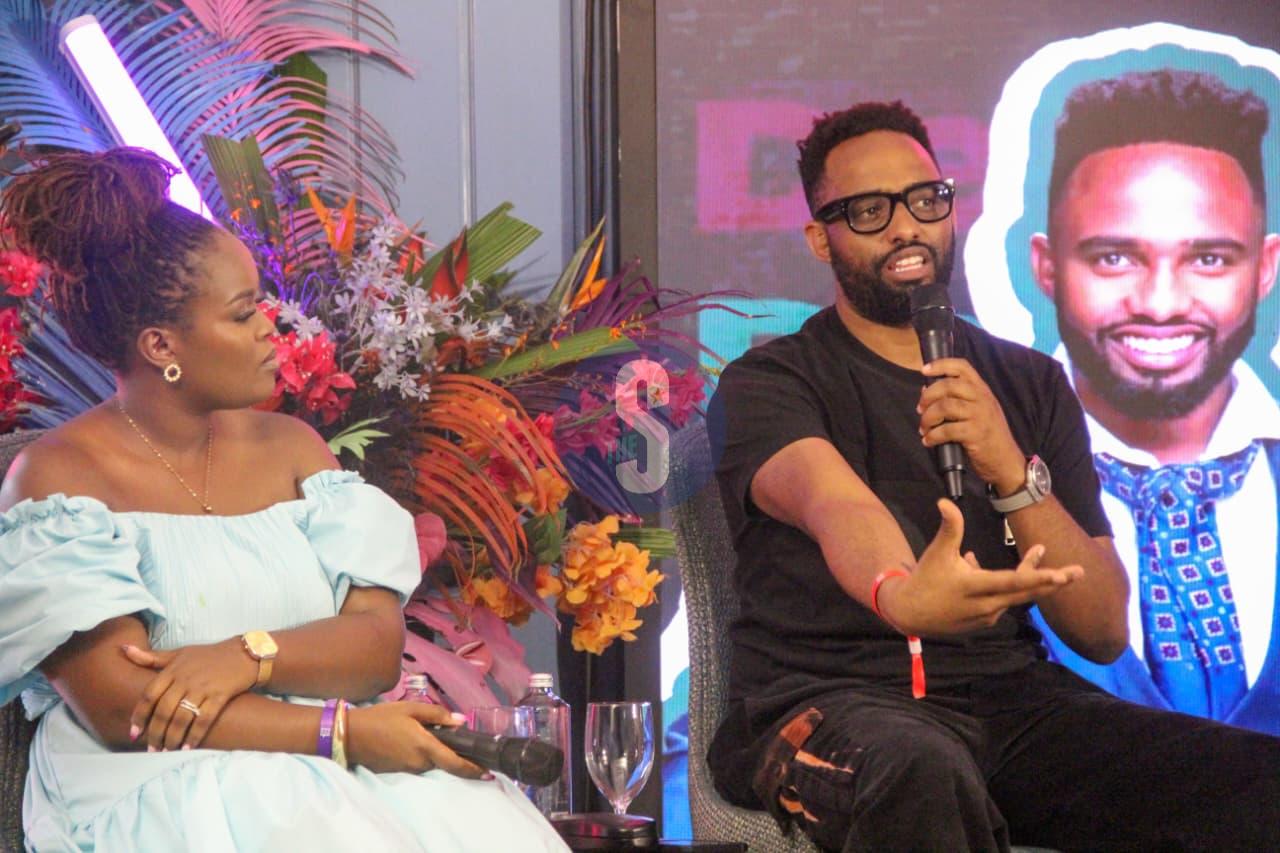
On Tuesday, industry players, creatives, and aspiring influencers gathered at the Fairview Hotel for the launch of Cohort 2 of the Dentsu School of Influence, a program positioning itself at the intersection of creativity, culture and commerce.
At a time when the digital space is saturated with content, the question is no longer who is posting but who is truly influencing. Rather than focusing on follower counts or fleeting viral moments, the initiative is designed to shape a new kind of influencer, one grounded in strategy, authenticity and cultural relevance. According to Co-CEO Samantha Kipury, the idea was born from a clear gap in the market.
“We saw a gap in the market, especially with so many young, talented people,” she said.
“On the brand side, clients are not always easy to access. So we take these young creators through a training program and later connect them to brands.”
Beyond just skill building, she emphasised that the program is also about creating a safe and empowering space.
“For Dentsu, this is a place where people can come, learn and showcase their talents without feeling harassed,” she added.
Across Kenya, a new generation is rising with creators who are not just chasing trends, but setting them. From TikTok storytellers to Instagram curators and YouTube commentators, influence is fast becoming a powerful cultural and economic currency.
However, with that power comes the need for direction, responsibility and deeper understanding. For the other co-CEO Joel Rao, the journey towards building the program started with introspection.
“This began internally,” he began.
“We had to look at ourselves as humans first before thinking about the people we work with.”
What followed was a deliberate process of building structure and purpose around the creator economy.
“We knew we wanted to do something with creators but we just had to figure out what that would look like,” he said.
“We spoke to brands, studied patterns, and focused on creating something that would have real impact.”
Technology, he noted, has been central to that evolution.
“All of this has been driven by technology. We had to understand what works and what doesn’t,” Rao said, adding that artificial intelligence will play a defining role in the future of influence.
Furthermore, he said AI is not here to replace human beings or influencers but to accelerate what they do. Globally, influencer culture is shifting with audiences becoming more discerning, prioritising transparency and authenticity over polished perfection.
Brands, too, the organizers said are moving away from vanity metrics and toward deeper, more meaningful connections. In Kenya, this transformation feels even more urgent.
Last year, 40 influencers got enrolled to the Dentsu School of Influence, landing them 60 brand deals.