Political activist Sophia Njeha sparked debate on Citizen Sunday Live by linking the “Tuko Kadi” slogan to rising political dissatisfaction.
Read Also
During the Sunday broadcast, Njeha asserted that the phrase has a deeper political meaning than simple voter mobilisation.
Enjoying this article?
Subscribe for unlimited access to premium sports coverage.
View Plans
“Kwanza tunataka kuambia president ‘Tuko Kadi’ is an equivalent of ‘Ruto Must Go’… he should not get it twisted,” she said.

njehiasophie //Instagram//
From Voter Drive to Political Statement
Initially, “Tuko Kadi” emerged as a youth-driven civic campaign encouraging Kenyans to register as voters ahead of future elections. However, Njeha argued that the slogan has evolved into a symbol of resistance.
According to her, the phrase reflects frustration among sections of the population, particularly young people, over governance and accountability issues.
She further described the movement as:
- A stand against poor leadership
- A rejection of the current political system
- A signal of intent ahead of the next elections
In another segment, she emphasised that “Tuko Kadi” represents resistance to “bad governance” and a government that citizens feel has failed them.
Rising Political Tension Around the Slogan
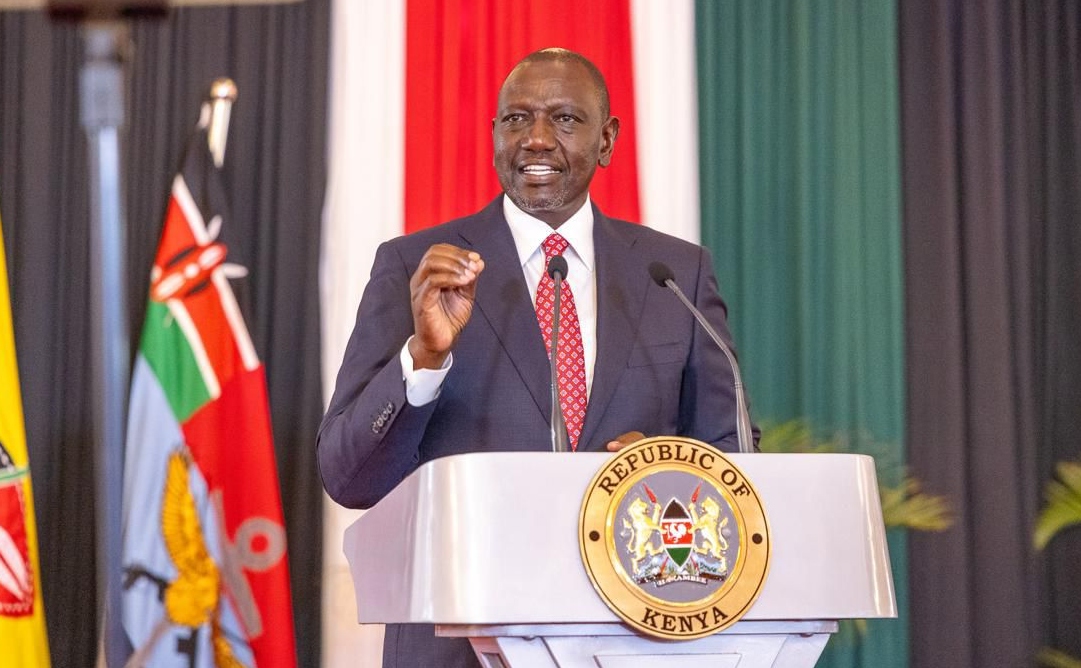
The remarks come at a time when the phrase has gained traction across social media and political spaces, with even William Ruto previously referencing it in public discourse.
Njeha, however, warned against what she implied could be attempts to reinterpret or “hijack” the slogan’s meaning. Her comments suggest that, in the eyes of some activists, the phrase is not neutral—but politically charged.
She also hinted at a broader electoral message, stating that some Kenyans have already decided who they will not support in future elections.
ALSO READ: #TukoKadi: How Photojournalist Allans Ademba Is Leading a Youth Voter Registration Wave
Public Discourse Intensifies
Her statements have since sparked an online conversation, with supporters agreeing that “Tuko Kadi” reflects a shift in youth political awareness, while critics argue that the interpretation is too extreme.
What remains clear is that a phrase that began as a civic call to action is quickly becoming a defining political expression—one that could shape narratives heading into the next election cycle.

The Bigger Picture
As political messaging continues to evolve, Njeha’s remarks highlight a growing trend: slogans are no longer just words—they are becoming coded expressions of public sentiment.
Whether “Tuko Kadi” remains a mobilisation tool or fully transforms into a political statement may depend on how both leaders and citizens choose to interpret it in the coming months.


Comments 0
Sign in to join the conversation
Sign In Create AccountNo comments yet. Be the first to share your thoughts!