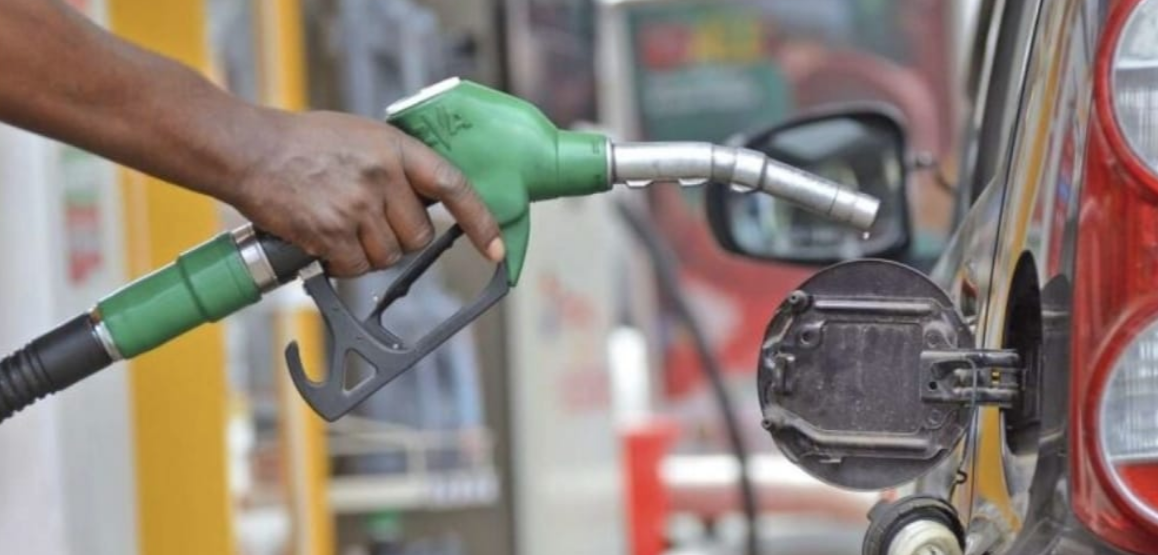
Motorists across Nairobi are grappling with an acute shortage of fuel, with many forced to crisscross the city in search of petrol and diesel amid growing fears of hoarding by suppliers anticipating a spike in global oil prices.
A spot check by the Star reveals long queues at the few stations still dispensing fuel, while many others remained conspicuously dry, triggering anxiety among commuters and raising the spectre of a looming transport crisis in Kenya’s capital.
Taxi drivers and boda boda operators, who form the backbone of Nairobi’s daily commute, say the situation has worsened over the past few hours, with some accusing fuel attendants of rationing supplies or selling selectively to customers willing to pay above the regulated pump prices.
Steve Wakio, a taxi driver based in Westlands, narrated a frustrating ordeal that saw him traverse multiple estates without success.
“I have really suffered today. No petrol station in South B, South C and Nairobi West has fuel. I was lucky to find some near Wilson Airport. I foresee tough days ahead,” he said, adding that he had to abandon his vehicle and use a motorcycle to locate fuel after dropping a client in South B.
His experience mirrors that of many drivers who now spend hours hunting for fuel, eating into their daily earnings, and disrupting normal operations.
Along Waiyaki Way, boda boda rider Derrick Keya claimed that some attendants were deliberately withholding fuel.
“Petrol stations seem to be hiding fuel. Tell me why a fuel attendant at a petrol station within Kilimani refused to sell to me but fueled a posh vehicle that came just after I had left,” he said, alleging discriminatory selling practices.
Similar claims emerged from Karuna Close in Westlands, where taxi driver Jerome Okumu said some dealers were engaging in backdoor sales at inflated prices.
“Someone told me to send money if I want 20 litres. He is, however, selling at Sh2 above current prices,” Okumu said, pointing to what appears to be a growing black market within the city.
The developments come barely a week after the Ministry of Energy sought to allay fears over supply disruptions, assuring Kenyans that the country held sufficient fuel stocks to last at least three months.
In a statement, the ministry said it had activated contingency measures under the government-to-government (G-to-G) fuel importation framework, engaging key partners in the Gulf region to secure steady shipments amgeopolitical tensions.
Under the G-to-G arrangement, Kenya sources petroleum products directly from oil-producing nations, largely in the Middle East, through long-term contracts aimed at stabilising supply and easing pressure on foreign exchange reserves.
The ministry noted that it was in constant communication with suppliers to cushion the country from supply shocks linked to the conflict.
However, the situation on the ground appears to contradict official assurances, with industry insiders suggesting that some marketers could be holding back stocks in anticipation of the next pricing cycle.
Internationally, oil markets have reacted sharply to the Middle East conflict, with benchmark crude prices climbing significantly over the past weeks as fears mount over potential disruptions in key supply routes.
A barrel of oil hit over $111 on Monday, with pundits fearing that it could close the week at $120 if the US makes good its threats to hit Iran's power plants in an effort to force the Islamic nation into submission.
The ripple effects are already being felt across several countries, with governments implementing emergency measures to manage consumption.
In Egypt, authorities have introduced fuel rationing in select regions, prioritising essential services as import costs soar.
Pakistan has also moved to limit fuel availability, with long queues reported in major cities amid dwindling reserves.
Meanwhile, in Sri Lanka, a country still recovering from a recent economic crisis, strict rationing measures have been reinstated to prevent a repeat of past shortages.
Analysts warn that Kenya, which relies heavily on imported petroleum products, remains vulnerable to such global shocks despite efforts to diversify supply chains.
Locally, the Energy and Petroleum Regulatory Authority (EPRA) had not responded to queries from The Star regarding the apparent shortage and allegations of hoarding by the time of going to press.
If the situation persists, experts caution, it could cascade into a broader economic challenge, pushing up transport costs, inflating the price of goods, and disrupting supply chains in the coming days.