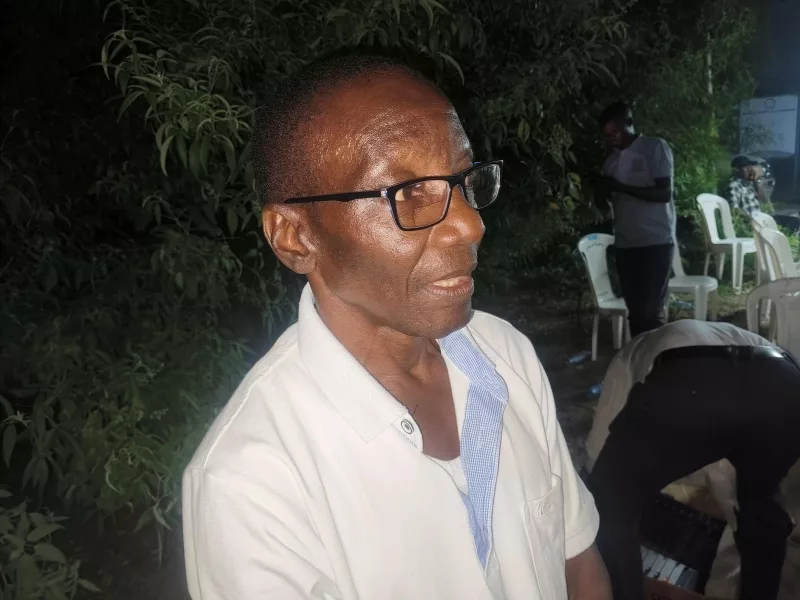
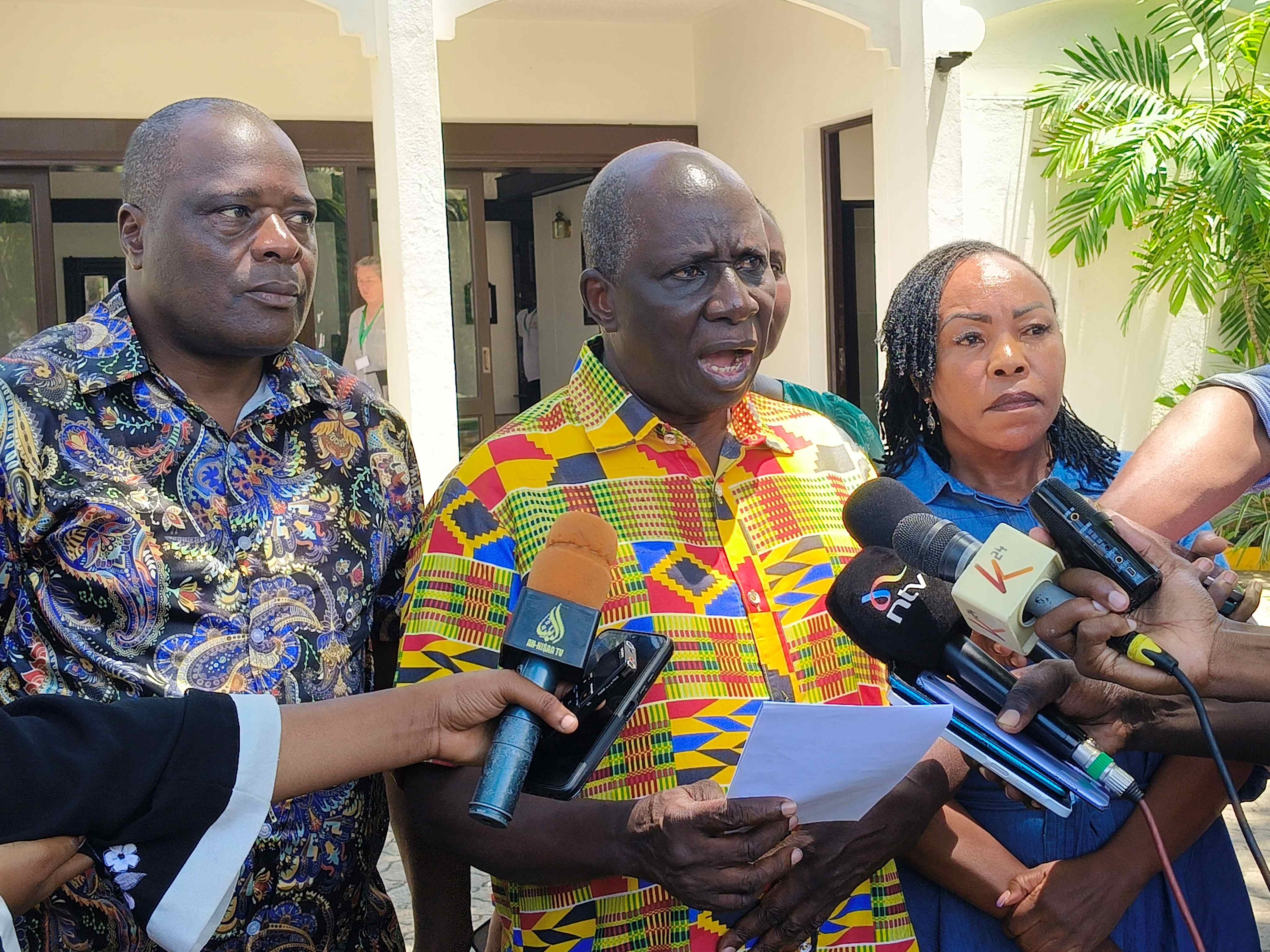
 National Assembly health committee chair and Seme MP James
Nyikal in Mombasa on Thursday / BRIAN OTIENO
National Assembly health committee chair and Seme MP James
Nyikal in Mombasa on Thursday / BRIAN OTIENODespite billions of shillings pumped into it, the Social Health Authority is broke and cannot sustain itself, a parliamentary committee has revealed.
The National Assembly committee on health on Thursday said the mismatch between SHA's revenue and expenses means the medical insurance scheme may collapse at any time unless changes are seen.
Committee chair and Seme MP James Nyikal said the medical insurance scheme has faced significant operational challenges and financial constraints, resulting in a failure to meet its obligations to healthcare providers and beneficiaries.
“While SHA collects about Sh7.4 billion every month, it also spends about Sh7.2 billion monthly, which is not sustainable,” Nyikal said.
Speaking after interrogating Sha officials in Mombasa, Nyikal said the challenges stem mainly from non-payment of premiums with only about five million people of the registered 29 million remitting contributions.
This, he said, is because only the employed remit SHA contributions regularly, having 2.75 per cent deducted from their salaries each month, while the informal sector players default on remittance.
Nyikal opined that the design and concept of SHA is generally good, but the implementation is the problem.
“I think the problem is with the management of SHA itself and the providers,” the Seme MP said.
To address the challenge, SHA is exploring partnerships with Saccos and microfinance institutions to enable the informal workers to pay their premiums gradually.
The fear is that due to the financial constraints, many Kenyans might for forced to delve deeper into their pockets to get quality medical services.
This will go a long way to hampering the full realization of the Universal Health Coverage.
Nyikal said many public hospitals and health facilities do not have proper claim systems as opposed to their private counterparts, leading to more money paid out to private facilities than to public ones.
This means the poor in the country, majority of who cannot afford private healthcare, continue to get poor quality services in public facilities.
The revelations come in the midst of a High Court ruling in Nairobi that declared the rollout of Sha as unconstitutional.
Justice Bahati Mwamuye said the 2024 rollout of SHA violated key constitutional rights, including the right to health and human dignity.
This, he said, is because the government rolled out what was President William Ruto’s flagship project before the necessary administrative and technological infrastructure were in place, a move that was detrimental as millions of Kenyans were temporarily unable to access essential healthcare during the transition from the National Hospital Insurance Fund.
“The evidence shows that during the early phase of implementation, many Kenyans were unable to access essential and life-saving medical services,” read Justice Mwamuye’s ruling in part.
“In constitutional terms, this was not a mere administrative inconvenience. It was a failure that implicated the state’s obligations to respect, promote, protect and fulfill the right to health,” Mwamuye said.
The Justice did not nullify the programme saying it is already operational and serves the 29 million Kenyans who are registered to it.
Mwamuye directed the government to institute major reforms within 90 days to fix gaps identified and ensure the country’s healthcare system is dependable.
In Mombasa, Nyikal said Kenyans, especially those in the informal sector, have to pay their premiums if SHA is to work effectively and efficiently.