
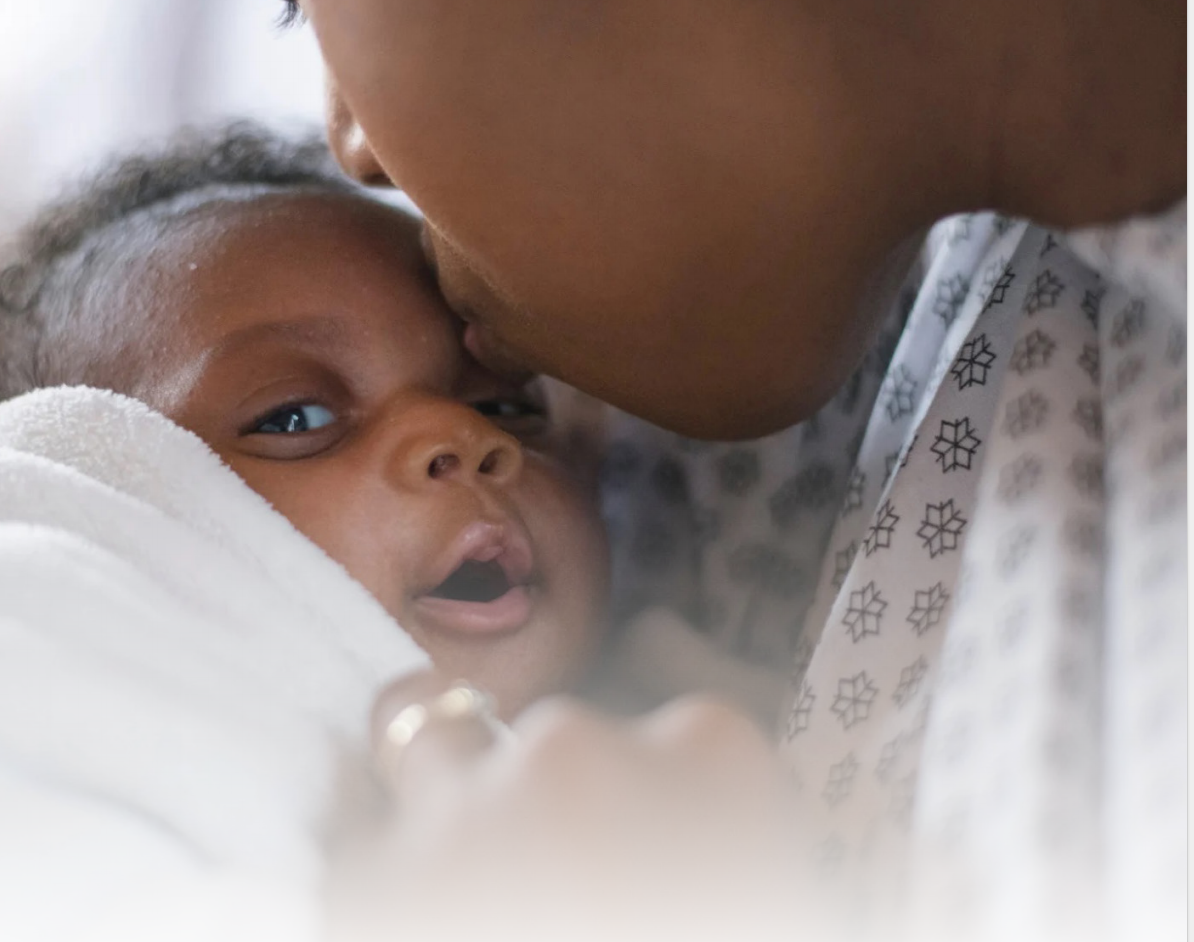
 The deficiency partly explains why Kenya is struggling to lower a neonatal death rate that now accounts for more than half of all deaths among children under the age of five.
A March 2026 factsheet from the Ministry of Health indicates that only 37 per cent of health facilities in Kenya meet the full criteria for Basic Emergency Obstetric and Newborn Care (BEMONC).
Basic Emergency Obstetric and Newborn Care (BEMONC) is a set of seven life-saving medical interventions, such as administering injectable antibiotics and managing labour complications, that any health centre must be able to perform 24 hours a day to prevent the most common causes of maternal and infant death.
The deficiency partly explains why Kenya is struggling to lower a neonatal death rate that now accounts for more than half of all deaths among children under the age of five.
“Neonatal deaths now comprise 51 per cent of all under-five mortality in Kenya," the ministry said. This means that while the country has made progress in fighting diseases like malaria and measles in older children, the first 28 days of life remain the most dangerous period for Kenyan infants.
The report estimates there are 21 newborn deaths for every 1,000 live births, totalling approximately 30,000 deaths annually. The leading causes of these deaths are cited as prematurity (34 per cent), birth asphyxia (32 per cent), and sepsis (8 per cent).
The crisis extends to mothers as well. The ministry notes that the maternal mortality ratio remains high at 355 deaths per 100,000 live births. This translates to approximately 5,000 women and girls dying annually from pregnancy-related complications.
“Maternal and neonatal mortality rates remain above global targets, demanding accelerated and coordinated plans that call for partnerships, collaboration and the use of data for evidence decision making,” the ministry said.
Health officials identified the primary killers of mothers as post-partum haemorrhage (37 per cent of all maternal deaths), eclampsia (22 per cent), and sepsis (12 per cent).
While 98 per cent of women attend at least one antenatal clinic visit, the report notes a significant delay in seeking care, stating that only 29 per cent attend their first visit within the first trimester.
In response, the government said it is launching a massive financial and clinical rescue plan. The centrepiece is the National RMNCAH+N (Reproductive, Maternal, Neonatal, Child, Adolescent Health and Nutrition) Investment Case 2025–2029, which requires Sh460 billion over five years.
The report on this investment is not just a cost but a necessity. "The investment case is projected to save an additional 4,600 mothers and 28,000 children, with an economic return of Sh12.50 for every shilling invested," the ministry stated.
To address the immediate gaps in care, Kenya is rolling out the National ‘EWENE’ Acceleration Plan (2026–2028). This plan focuses on equity and quality to accelerate the reduction of maternal and newborn deaths.
To ensure services reach the most vulnerable, the government is also restructuring how healthcare is delivered at the local level. The report notes, “The government is scaling Primary Care Networks (PCNs) and sustaining co-financing with counties for stipends of over 107,000 Community Health Promoters (CHPs) to connect households with health facilities. These promoters support early identification, referral, and follow-up of mothers and newborns to ensure that no one is left behind in the quest for health equity.”
It says the state is looking toward modernisation and data-driven oversight to maintain these standards of care.
“Advancing the Digital Health Highway through the Digital Health Agency (DHA) to strengthen data systems, real-time monitoring, and accountability in maternal and newborn health services. This digital transformation is intended to provide evidence-based decision-making tools that help health managers address service gaps as they arise,” the report says.
These efforts aim to bridge the divide between urban centres and rural or marginalised communities where emergency care is often out of reach.




![Africa CDC Director General Dr Jean Kaseya at a past event. [Photo: Arthur Mbuguah, WHM]](https://cdn.radioafrica.digital/image/2026/10/8ced213c-affb-4dff-97ca-1b6bac1f958e.webp)