Counties are increasingly directing a bigger share of their spending to development, with Isiolo County, Kilifi County, Mandera County, Bomet County and Kiambu County emerging among the leaders.
This is according to the latest report by the Office of the Controller of Budget on county governments’ budget implementation for the first half of the 2025/2026 financial year.
The report, which covers the period between July and December 2025, shows how counties spent public funds, with a focus on how much went to development projects compared to recurrent expenditure.
The findings indicate that the five counties stood out in allocating a significant share of their total expenditure to development.
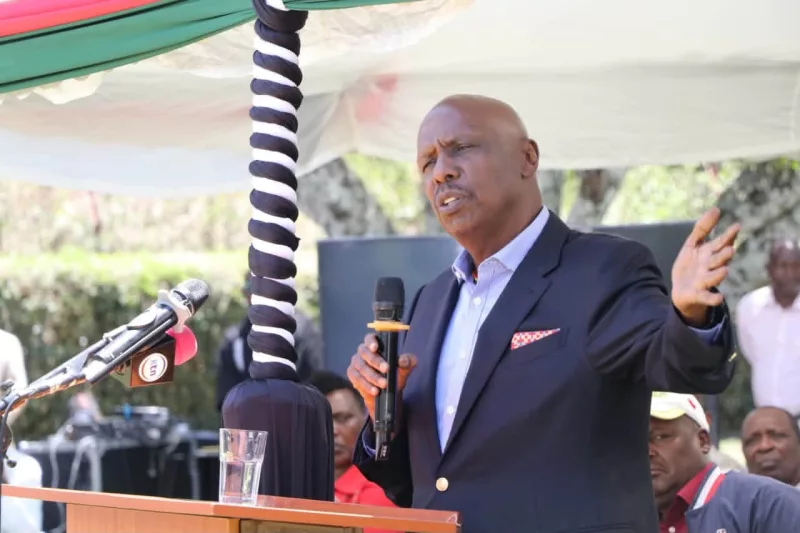
In Isiolo County, whose governor, Abdi Guyo, has development expenditure accounted for 37 per cent of total spending, placing it among the top performers.
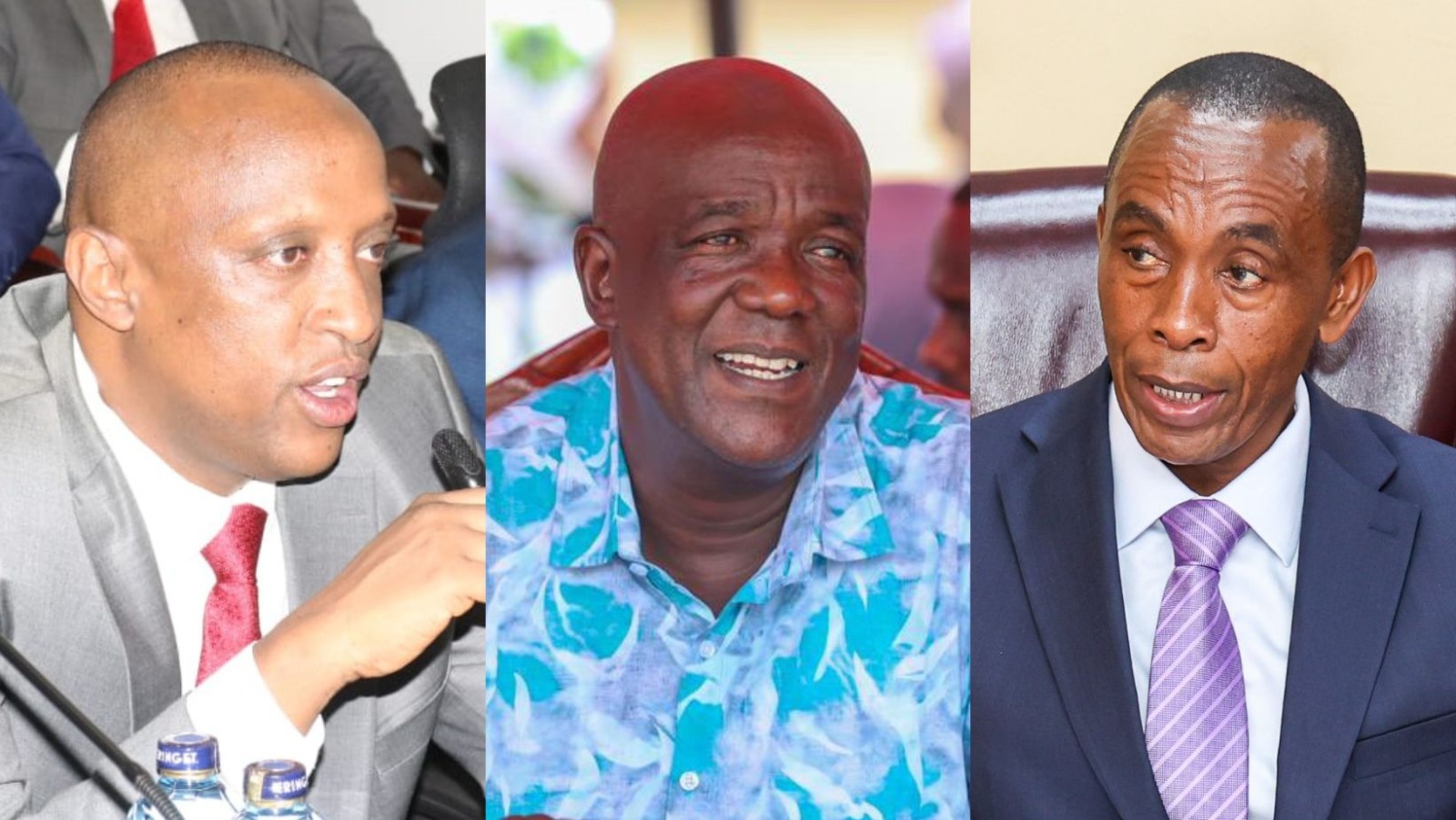
Kilifi County followed, with development expenditure making up about 32.6 per cent of total spending. The governor of Kilifi is Gideon Mung’aro.
Mandera, under Governor Mohamed Adan Khalif, was third with 28.9 percent while number 4 was Bomet with 28.9 percent. Hillary Barchok leads Bomet County.
Kiambu, under Governor Kimani Wamatangi, was number five with 29.5 percent. Garissa, Marsabit, Kwale, Wajir, Nandi and Trans Nzoia followed in that order.
The worst performing counties were Lamu with 3.1 percent, Nairobi 6.0 percent, Tana River 6.3 percent, Vihiga 7.3 percent and Nyeri 7.6 percent.
Overall county spending remains low on development
Despite the strong showing by some counties, the report paints a broader picture of low development spending across the country.
County governments spent a total of Sh192.59 billion during the review period. Out of this, only Sh32.49 billion went to development projects.
This represents just 17 per cent of total expenditure.
The report further shows that development spending translated to an absorption rate of only 14 per cent of the annual development budget.
This means that most counties are still spending more on recurrent needs such as salaries and operations than on development projects.
Majority of counties lag behind
The Controller of Budget notes that many counties are yet to prioritise development spending.
Challenges affecting development spending
The report identifies several challenges that continue to affect county spending.
These include delays in disbursement of funds from the National Treasury, low local revenue collection, and high levels of pending bills.
Other issues include overreliance on specific revenue streams and delays in submitting financial reports.
These challenges have contributed to slow implementation of development projects across counties.
Call to increase development focus
The Controller of Budget is now urging counties to increase spending on development programmes in the remaining half of the financial year.
Counties have also been advised to improve revenue collection and prioritise clearing pending bills to free up funds for development.
The report emphasises that increasing development expenditure is key to improving service delivery and driving economic growth at the county level.
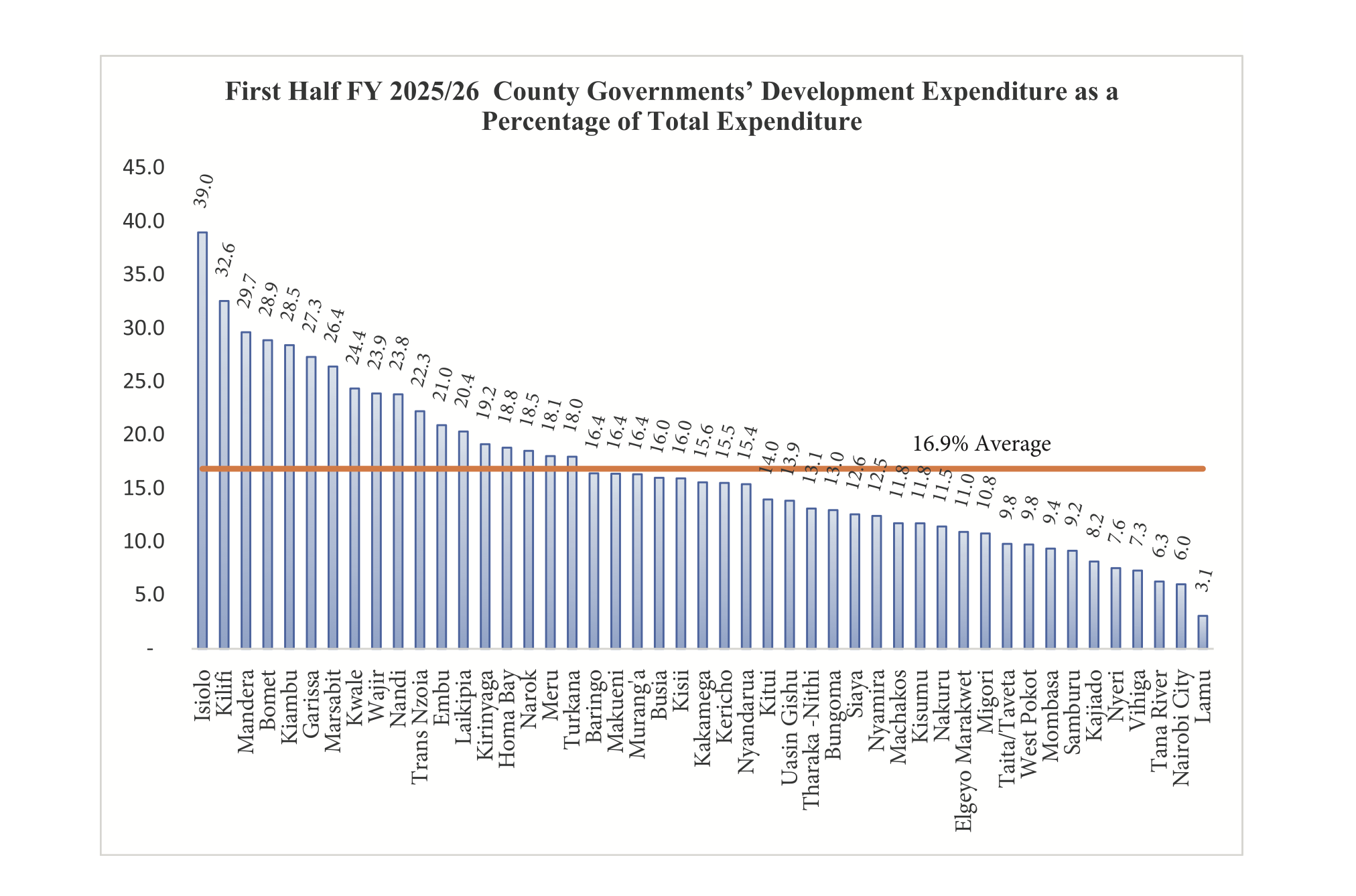
The latest report by the Office of the Controller of Budget on county governments’ budget implementation for the first half of the 2025/2026 financial year.