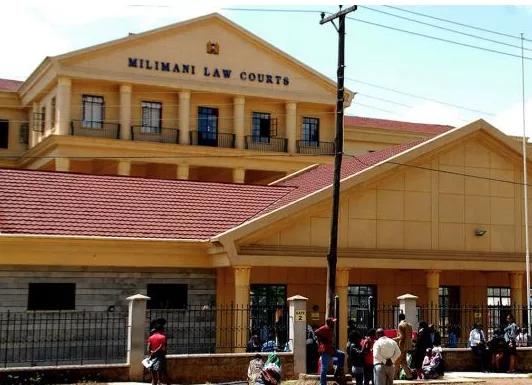
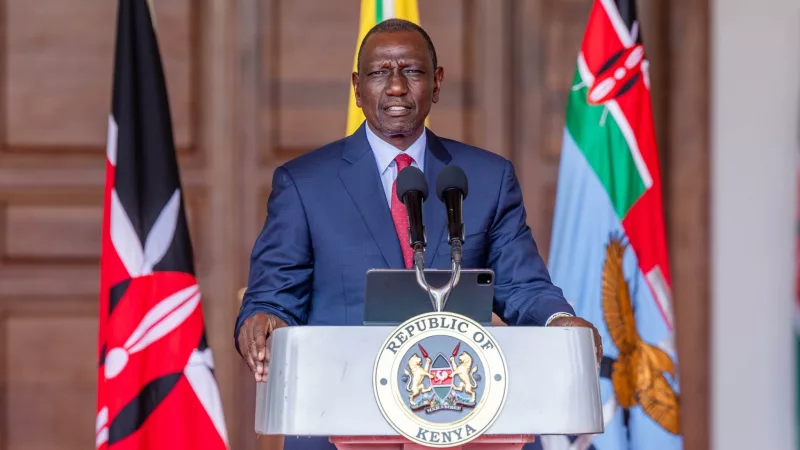
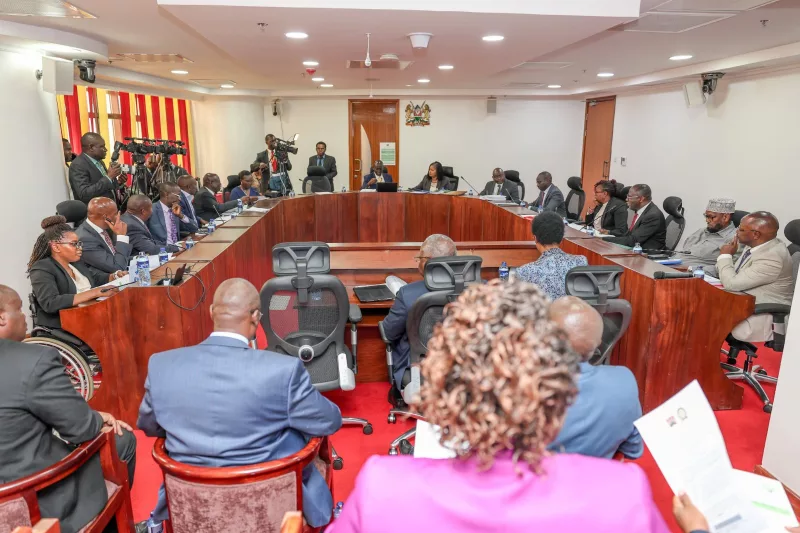
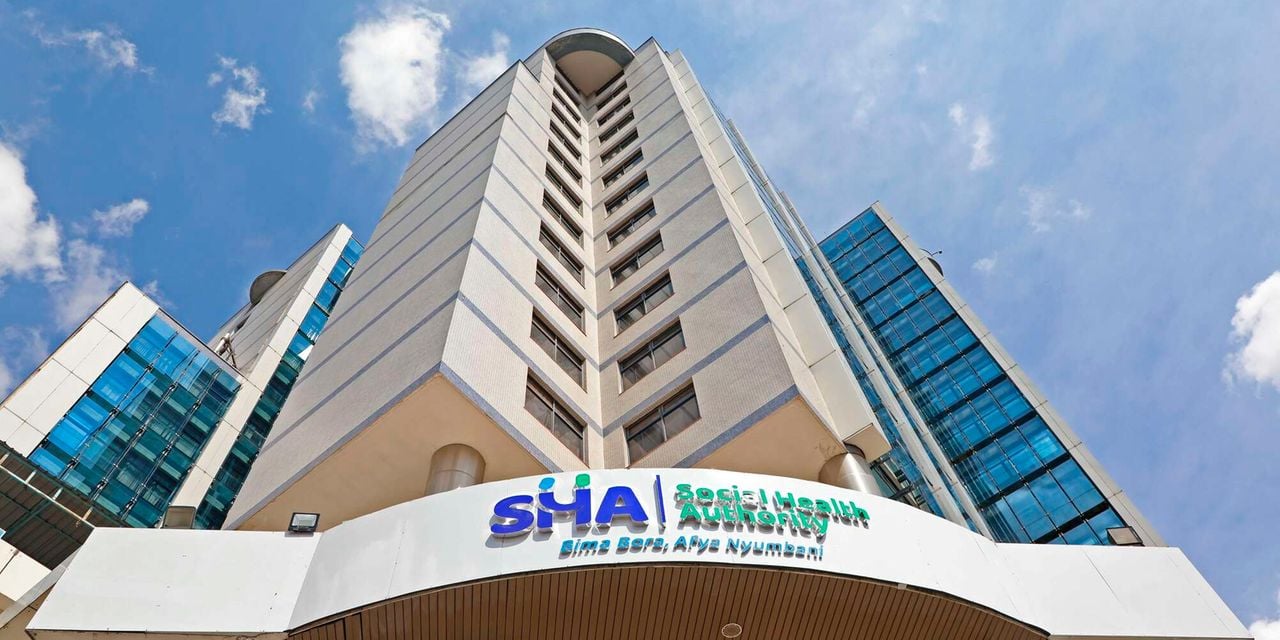
 The Social Health Authority buildings in Nairobi./FILE
The High Court has upheld the constitutionality of the Social Health Insurance Fund (SHIF) but found that its nationwide rollout fell short of constitutional standards, citing serious procedural and operational deficiencies.
In a judgment delivered on Thursday, Justice Bahati Mwamuye ruled that while the legal framework underpinning SHIF is sound, the manner in which the system was implemented violated key constitutional rights, including the right to dignity and healthcare.
The case was filed by Busia Senator Okiya Omtatah, who challenged both the legality of the fund and the process leading to its implementation.
The court issued a declaration affirming that Sections 20, 25 and 28 of the SHIF Act — which establish the Primary Health Care Fund, the Social Health Insurance Fund, and the Emergency, Chronic, and Critical Illness Fund — are constitutional.
Justice Mwamuye also upheld the procurement of the Integrated Health Information Technology System (IHTS), a key pillar of the universal health coverage programme.
The court found that the tender process fell within the statutory framework for specially permitted procurement under the Public Procurement and Asset Disposal Act.
"A declaration is hereby issued, procurement of an integrated health care information technology system (IHTS) for universal health coverage (UHC) under tender number MOH was undertaken within a statutory framework for specially permitted procurement," the judge ruled.
However, the judge noted that the procurement process was marred by procedural deficiencies, including gaps in transparency, documentation, and compliance with safeguards under the law.
Despite these shortcomings, the court held that they were not sufficient to nullify the procurement.
At the same time, the court found that the nationwide rollout of SHIF on October 1, 2024, was unreasonable and inconsistent with the State’s constitutional obligations under Articles 28 and 43 of the Constitution, which guarantee human dignity and the right to health.
Justice Mwamuye observed that the system was implemented before critical infrastructure and safeguards were fully in place, raising concerns about preparedness and the protection of citizens’ rights.
“The manner in which the system was initially implemented fell short of the standard of reasonableness demanded by the Constitution,” the judge stated.
Despite these findings, the court declined to suspend or nullify SHIF, noting that the system is already operational and serves millions of Kenyans.
Halting the programme, the judge warned, would risk disrupting access to essential health services.
Instead, the court issued a structural interdict directing the Ministry of Health to take immediate corrective measures to address the identified deficiencies.
The Ministry has been given 90 days to align the system with constitutional requirements and to file a comprehensive affidavit detailing the steps taken to remedy the gaps.
Crucially, the court directed that no Kenyan should be denied emergency medical treatment, regardless of employment status or ability to pay.