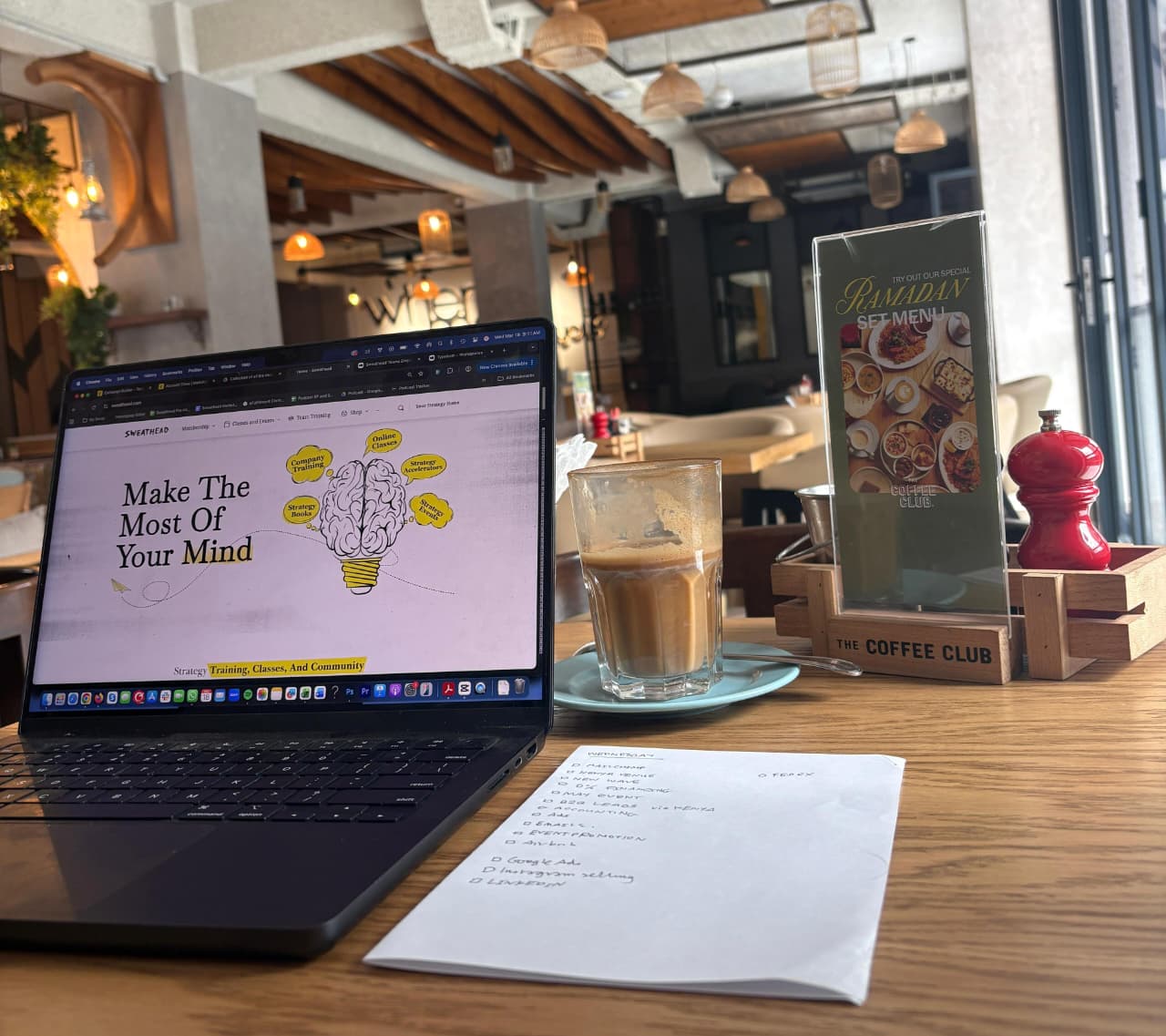
On any given weekday morning in Nairobi, the hum of espresso machines blends seamlessly with the tapping of laptop keys.
At first glance, it looks like a typical café scene with baristas at work, friends catching up and the aroma of freshly brewed coffee in the air.
However, if you look closer you will notice something different: meetings in progress, pitch decks being edited, content being filmed and freelancers deep in concentration.
Across the city, cafés are fast becoming the preferred work spaces for young professionals, creatives and even entrepreneurs.
From Kilimani to Westlands, the traditional office is quietly being replaced by a more flexible, social and aesthetically pleasing alternative one cappuccino at a time.
The rise of the “café office”
The shift did not happen overnight because while remote work gained global traction during the pandemic, in Kenya, it has evolved into something uniquely local.
For many young Kenyans, especially Gen Z and millennials, cafés offer what corporate offices often cannot which is freedom, community and inspiration.
“I get more done here than I ever did in an office because there is energy and you get to see other people building and creating. This pushes you,” Sharon Njeri, a 26-year-old digital marketer working from a popular spot in Westlands said.
This sentiment is, however, echoed by many who have traded cubicles for coffee tables.
The café office is not just about convenience but about atmosphere.
The right playlist, good lighting, and a steady Wi-Fi connection can transform an ordinary workday into a productive and even enjoyable experience.
At the heart of this trend is a simple but powerful combination: coffee and connectivity.
Reliable internet, once a luxury, is now a non-negotiable for cafés hoping to attract this new wave of customers.
Many establishments have responded by upgrading their infrastructure through stronger Wi-Fi, more charging ports, and seating designed for long stays.
Some even subtly cater to remote workers with quieter sections or communal tables that encourage collaboration.
“Our café at this point is not just about serving coffee anymore. People are coming here to work, meet clients and even build their brands. We have adapted to that,” Elvis Aseli, a manager in one of the café’s in Westlands said.
True to his words, they have adapted for real since cafés are no longer just social spaces but productivity hubs but now a hub for hustlers.
“On most mornings, you will always see different people walk into our café, spot a seating place and take out their laptops and notebooks. The next thing they will order some coffee or tea and then you will see them locked into their meetings,” Aseli said.
Kenya’s thriving gig economy has however played a significant role in this shift.
With more young people working as freelancers, content creators and startup founders, the need for flexible work spaces has grown.
For many, renting an office is either too expensive or unnecessary.
Cafés, on the other hand, offer an affordable alternative buy a cup of coffee, and you have a workspace for hours.
“I run my entire business from cafés. Client meetings, brainstorming, even editing all happens here. Also, you never know who you will meet,” Brian Mwangi, a freelance graphic designer said.
Networking, once confined to formal events, is now happening organically over lattes and iced matcha.
Conversations spark easily in these environments, leading to collaborations, job opportunities, and even friendships.
The aesthetic economy
In the age of Instagram and TikTok, aesthetics matter more than ever.
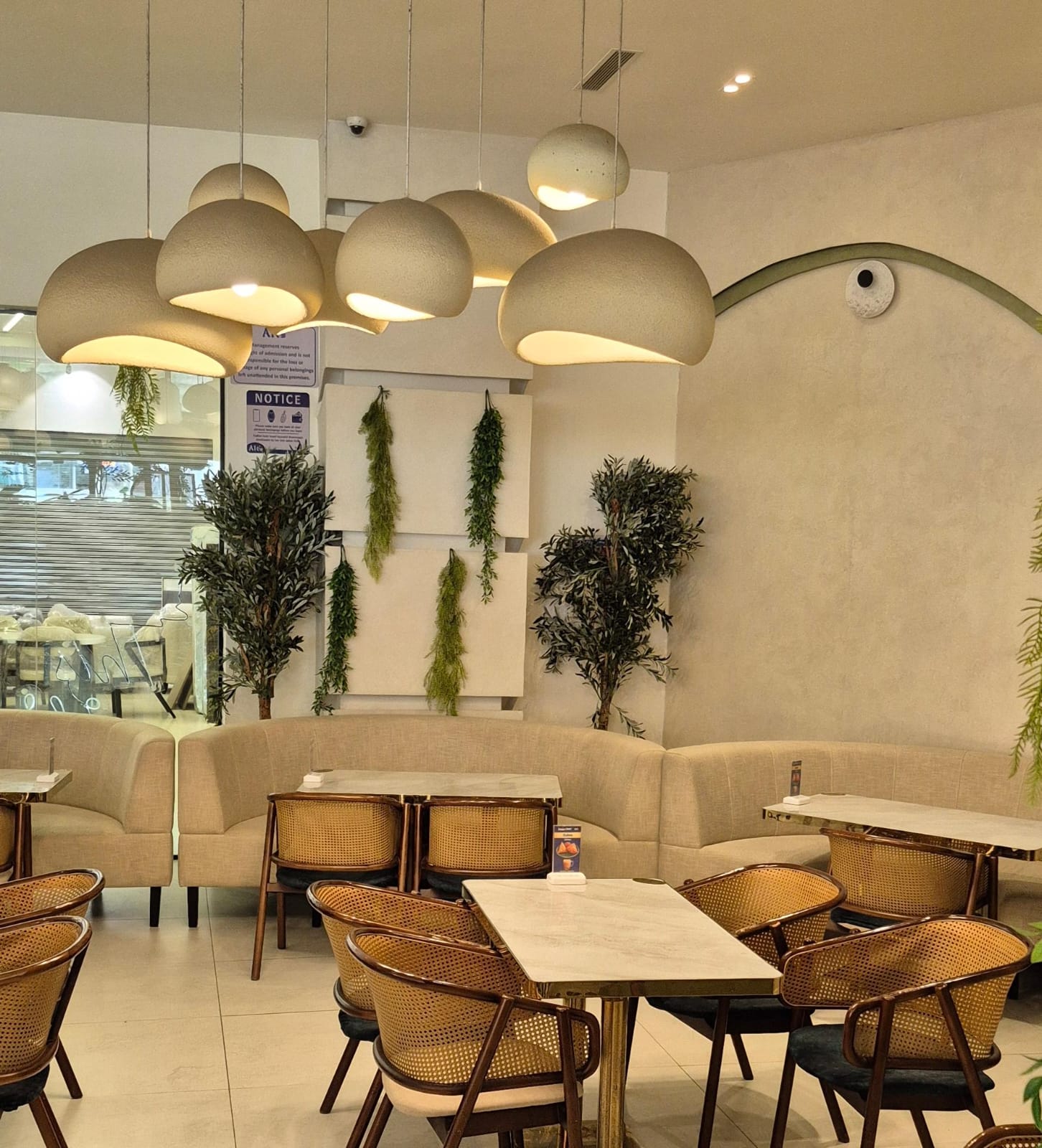
Nairobi’s cafés are leaning into this, designing spaces that are not only functional but visually appealing.
Clean interiors, greenery, natural lighting and minimalist decor have become standard.
For content creators, these spaces double as backdrops for photos, videos and even brand shoots.
“Half the reason I come here is because of the vibe. It looks aesthetically pleasing, good on camera and feels good to work in. Another thing is after I am done with my work for the day I could always hope onto the happy hour deals,” admits Njeri.
This intersection of work and content creation has given rise to what some are calling the “aesthetic economy”, where the look and feel of a space can directly influence productivity and personal branding.
While the café office trend offers flexibility and creativity, it also raises questions about boundaries.
When your workspace is also a social space, where does work end and leisure begin?
Well, for some, the blend is ideal since the ability to take a break, chat with a friend, or people watch can make long work hours more bearable.
However, for others, it can be distracting.
“It’s a balance. Some days I’m super productive while on other days, I end up talking more than working but I’d still choose this over a rigid office any day,” Njeri explained.
As hybrid and remote work models become more common, the definition of a workplace is expanding and cafés are firmly part of that conversation.
Despite its appeal, the café office trend is not without its downsides.
Limited seating during peak hours, noise levels and the expectation to keep purchasing items can be drawbacks.
There is also the question of accessibility because not all young Kenyans can afford to work from cafés regularly and the trend remains more visible in urban, middle class circles.
Still, its influence is undeniable since even co-working spaces are taking cues from cafés, incorporating more relaxed, lifestyle oriented designs to attract clients.
A cultural shift in motion
What is happening in Nairobi is more than just a trend but a cultural shift with work no longer tied to a single location or structure.
Instead, it is becoming fluid, adaptable, and deeply intertwined with lifestyle.
Cafés have become symbols of this new way of working: informal yet productive, social yet focused.
They reflect the ambitions of a generation that values flexibility, creativity, connection and as the city continues to evolve, so too will its work spaces.
However, for now, one thing that is clearer is that in Nairobi, the office has a new address and it smells like coffee.