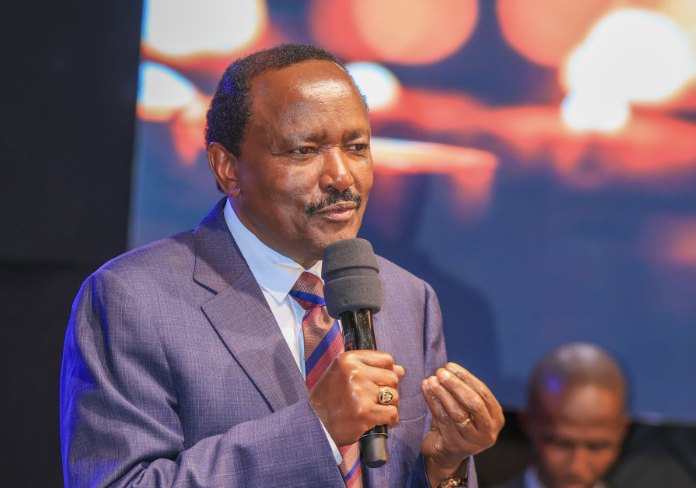
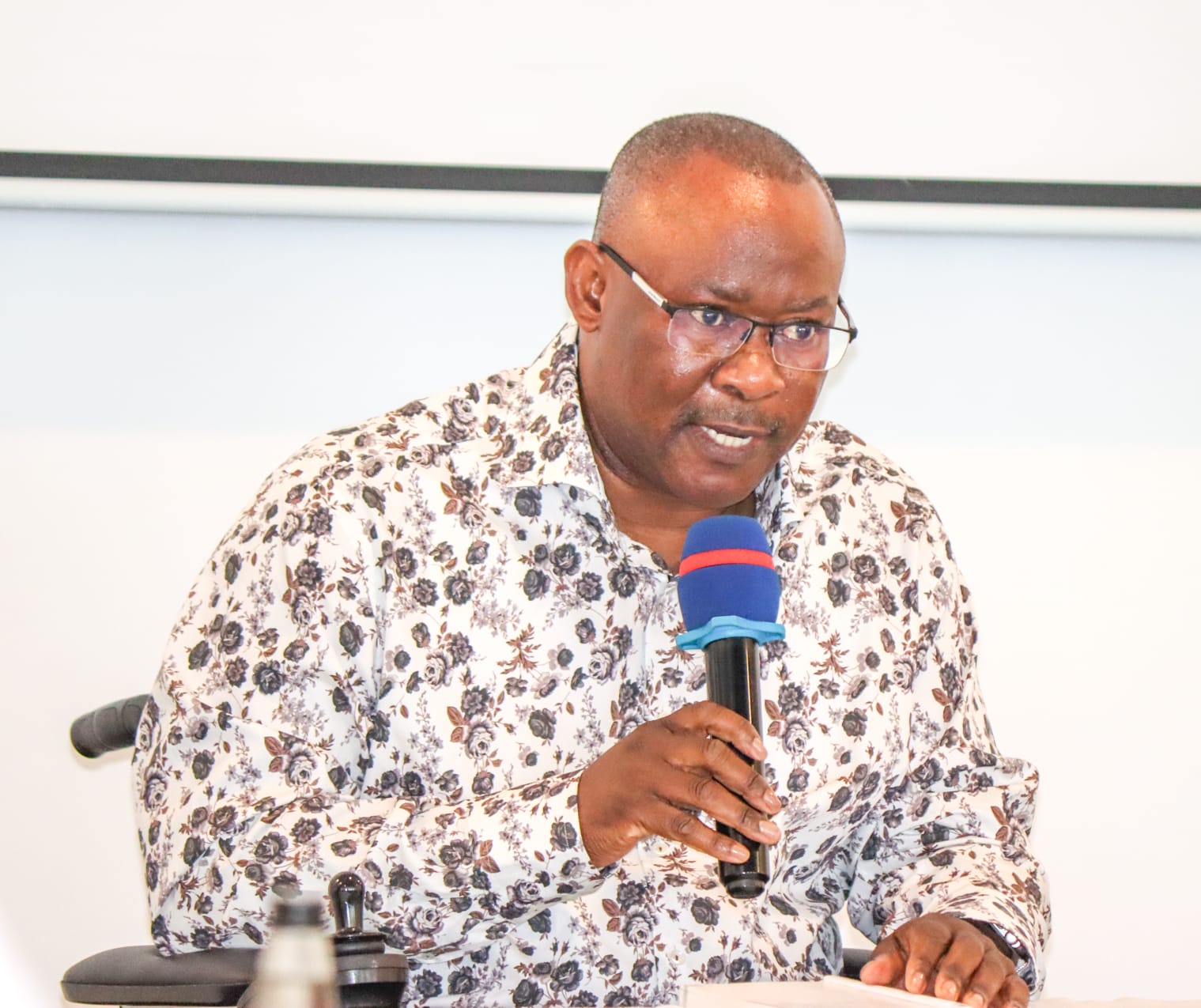
 Chairperson, Kenya Disability Parliamentary Association (KEDIPA) Hon. Timothy Wanyonyi (Westlands)./HANDOUT
A proposal to subject all legislation to a mandatory disability inclusion audit has emerged as a major outcome of the Kenya Disability Parliamentary Association (KEDIPA) forum, signalling a potential shift in how laws and policies are crafted in Kenya.
The forum, chaired by KEDIPA Chairperson Timothy Wanyonyi, brought together key institutions at the centre of public service delivery. Speakers delivered a clear message: inclusion must be built into systems from the outset, not retrofitted later.
Leaders called for a structured mechanism to ensure every proposed law, policy, and programme is reviewed for its impact on persons with disabilities before implementation.
Wanyonyi highlighted persistent gaps despite existing legal frameworks.
“Commitments must translate into measurable outcomes,” he said, noting that persons with disabilities continue to face barriers in employment, education, and public life.
He emphasised that inclusion should be embedded in everyday processes that determine access to opportunities.
Opening the forum on behalf of the Speaker, Moses Wetang’ula, the Deputy Speaker raised concerns over recruitment practices that exclude qualified persons with disabilities.
She questioned why capable individuals are barred from serving in institutions such as the disciplined services, citing outdated requirements that do not reflect actual job performance.
“Why should a person living with a disability be excluded from serving in the army in a professional capacity?” she asked. She added that criteria such as requiring 32 teeth are discriminatory and out of step with the principles of equity and dignity.
The forum also highlighted gaps in healthcare access. Stakeholders called for the expansion of specialised services, including cornea transplants, which remain out of reach for many despite their transformative impact on quality of life.
KEDIPA is expected to engage key institutions, including the Public Service Commission, National Police Service, Teachers Service Commission, and relevant ministries, to drive reforms. The association aims to shift from policy promises to enforceable systems that guarantee inclusion in practice.
Speakers underscored that structural reforms are necessary to ensure that persons with disabilities are not only considered in policy design but also fully integrated into public service and development initiatives.
The forum concluded with a shared commitment to translate inclusion from principle into daily practice, reinforcing that every law, programme, and institution must actively promote equity.