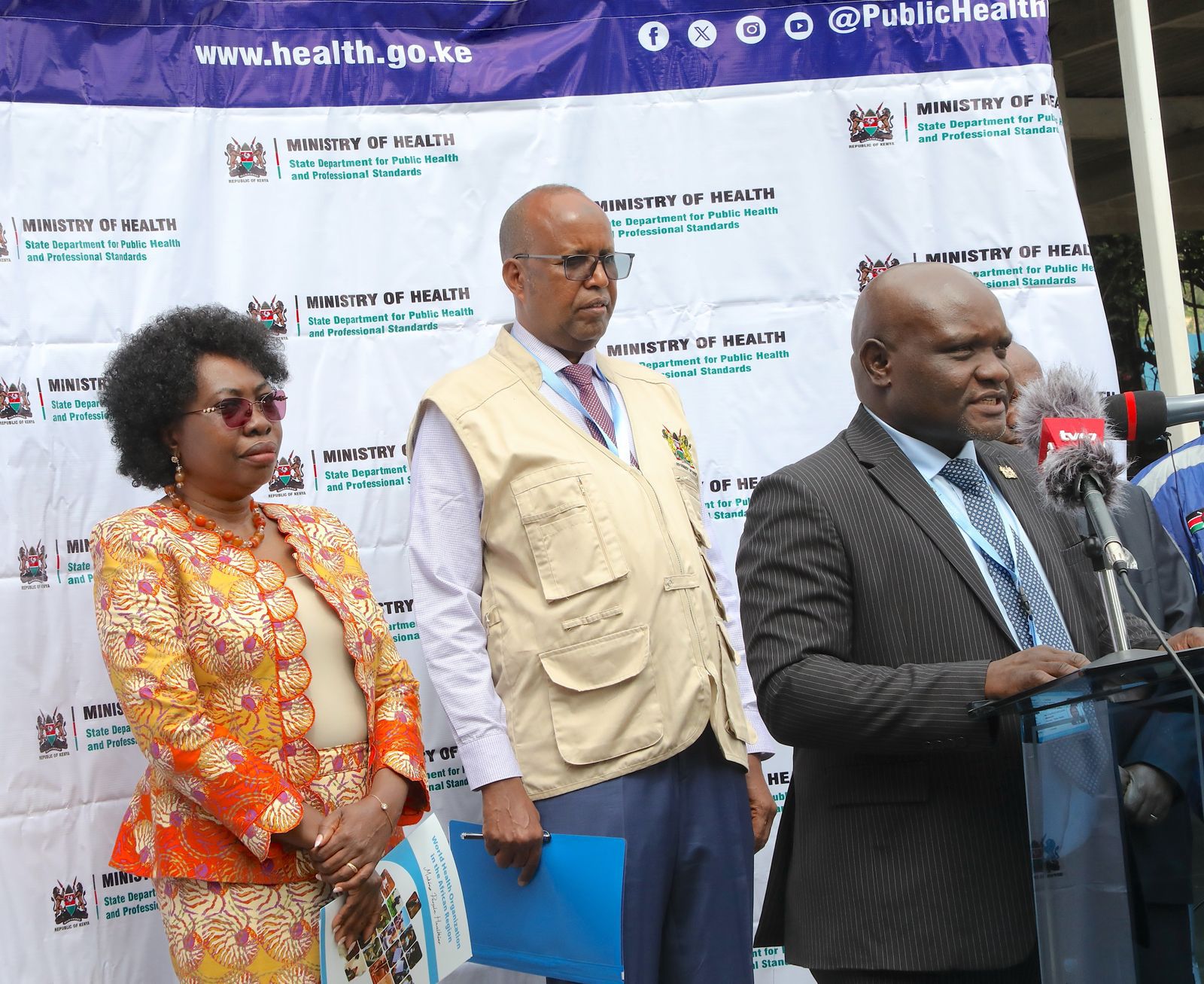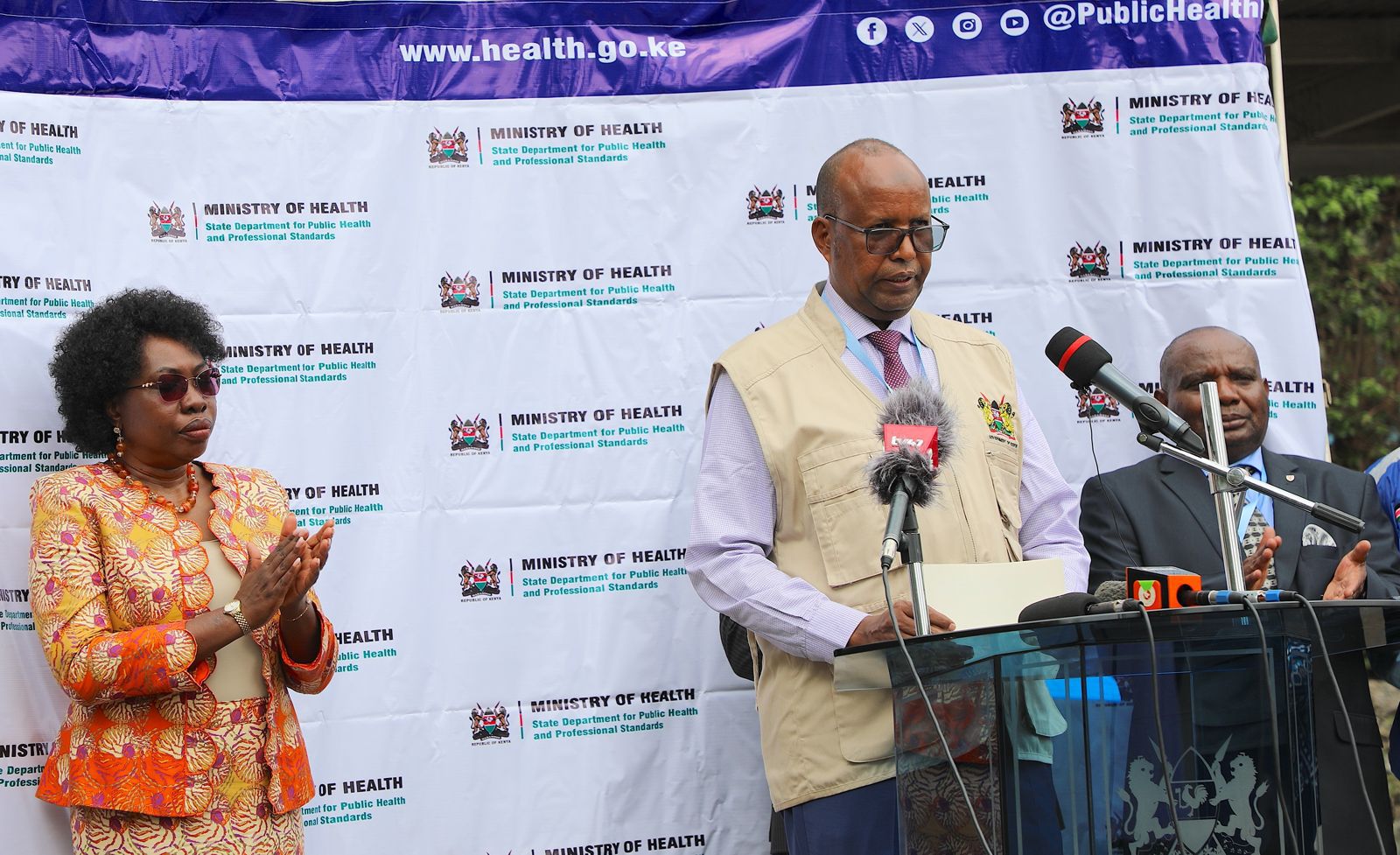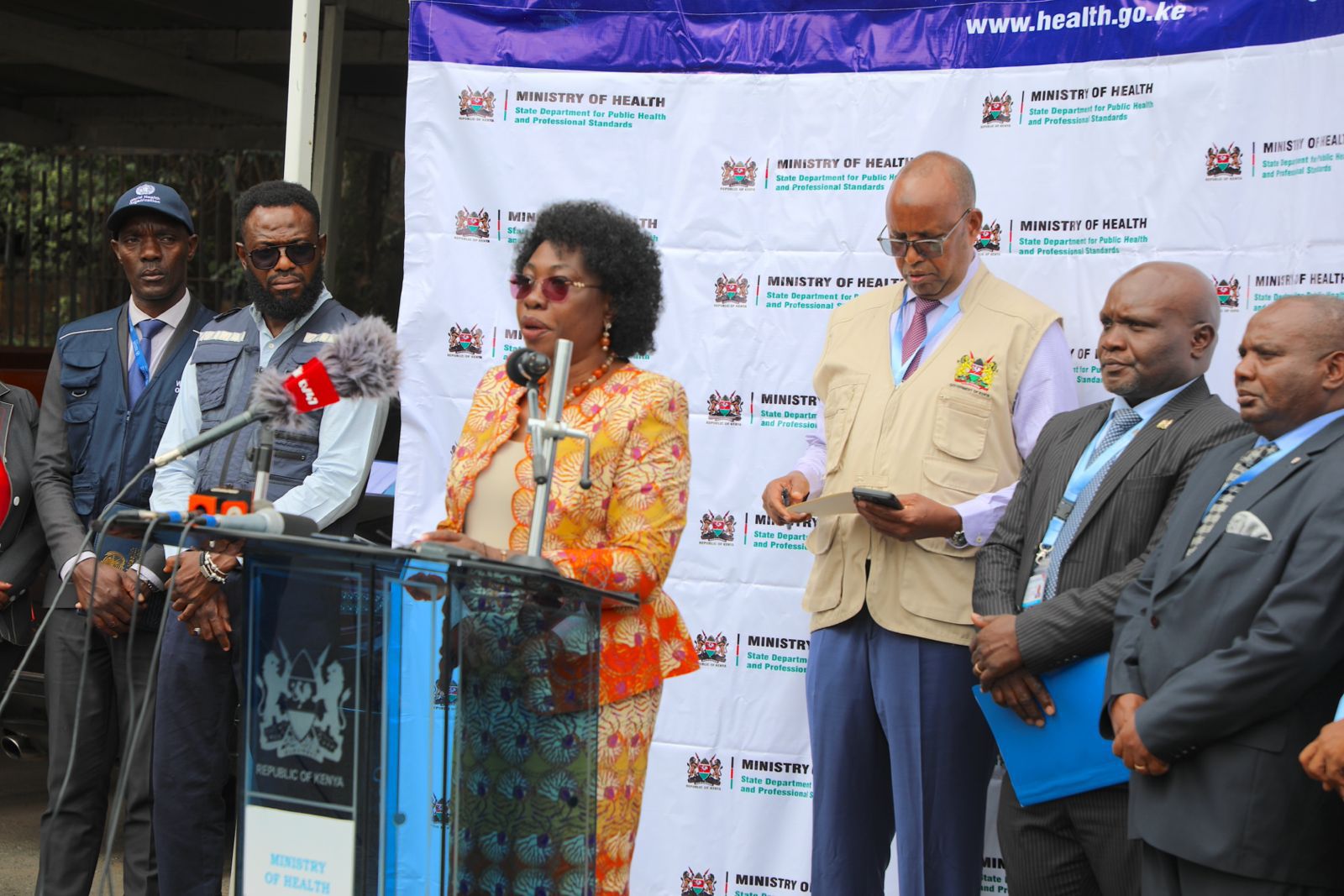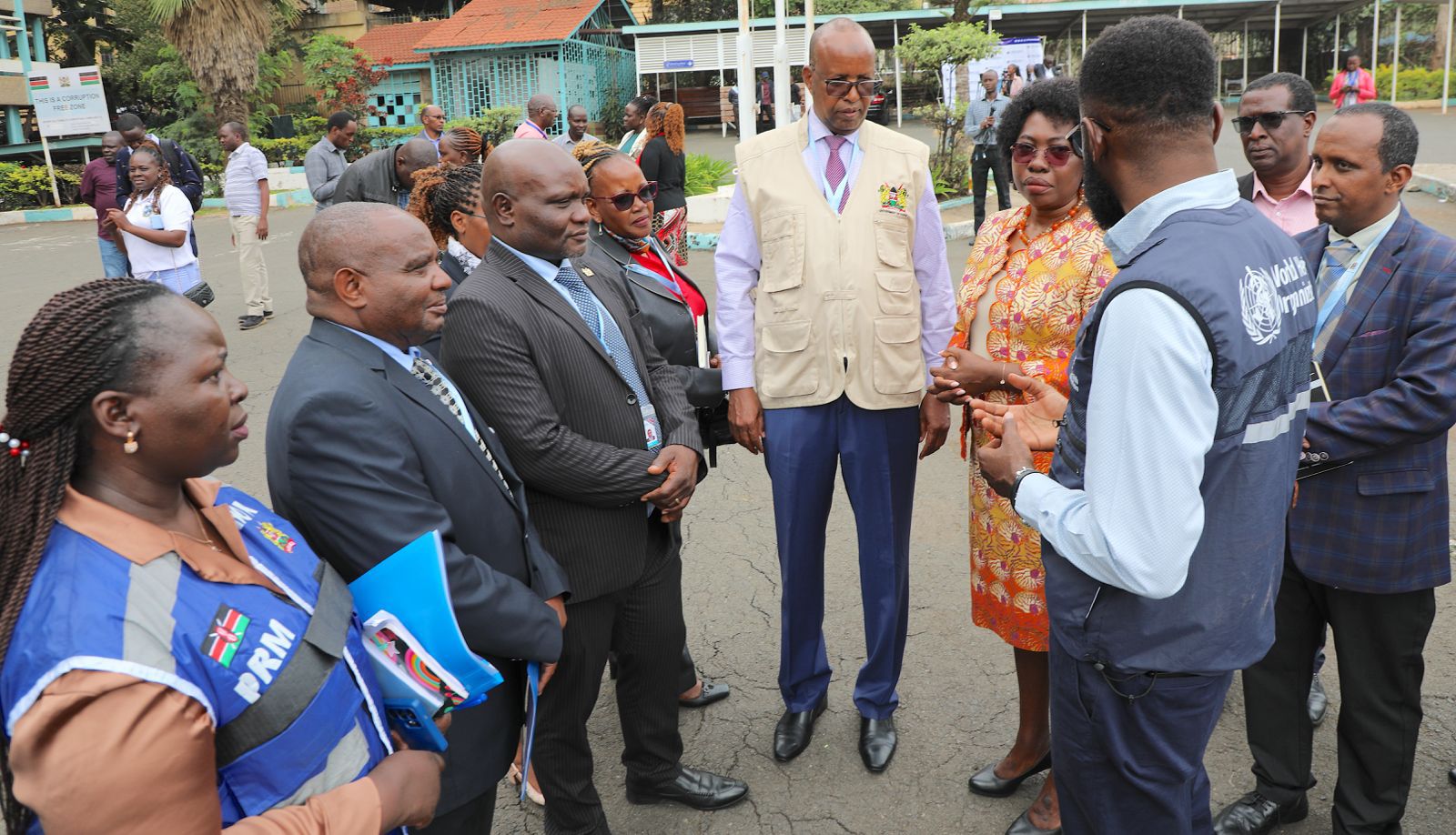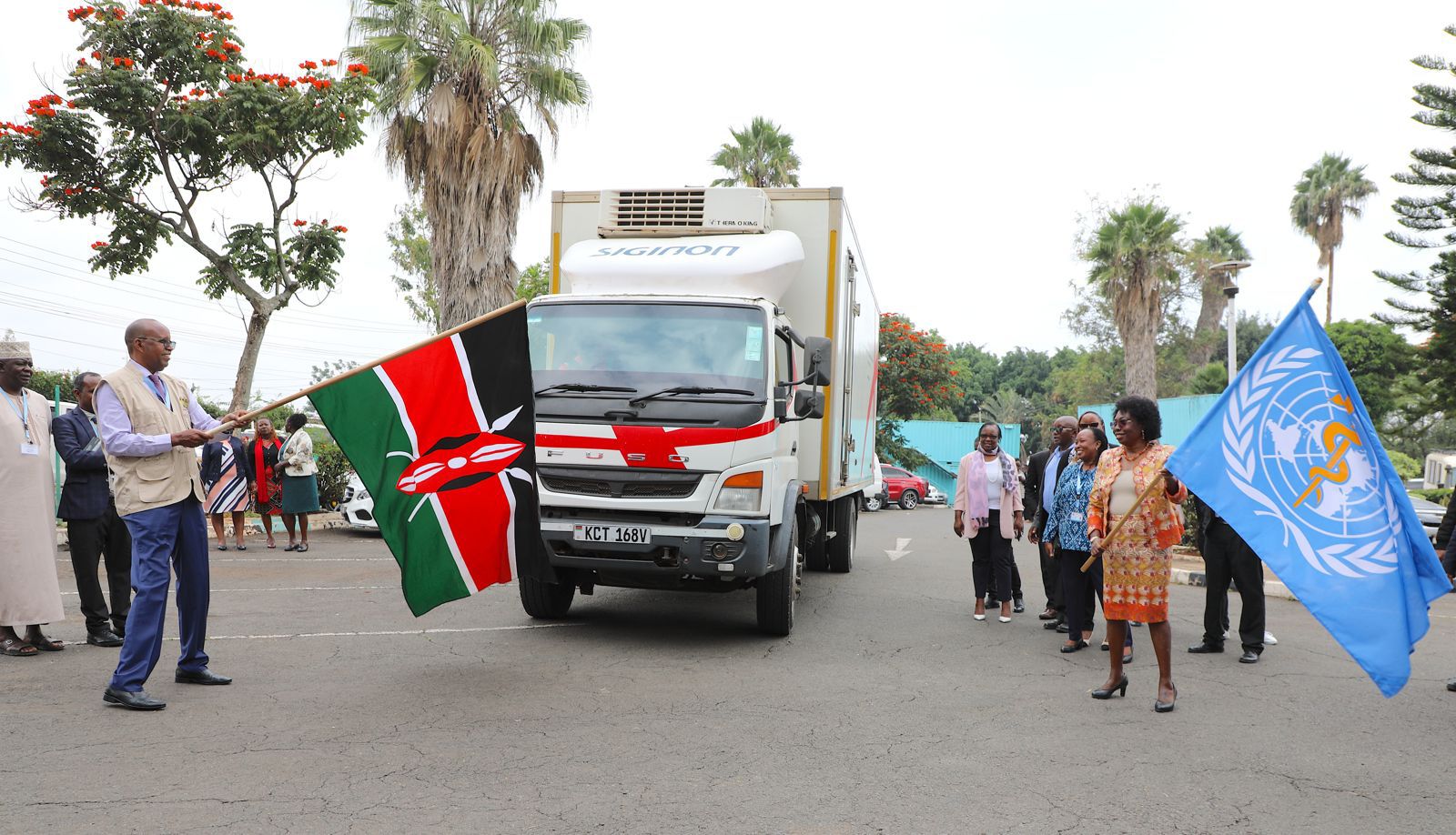
Kenya has received emergency health kits from the World Health Organization to bolster its response to the ongoing March–April–May long rains and the resulting floods that have affected several regions.
Health Cabinet Secretary Aden Duale said the contribution is a demonstration of solidarity with the people of Kenya and a reflection of the strong and longstanding partnership between WHO and the ministry in safeguarding the health of citizens.
The floods, triggered by heavy rains, have caused displacement of families, disrupted essential services and heightened the risk of disease outbreaks.
“Flood situations often create conditions that facilitate the spread of water-borne and vector-borne diseases such as cholera, malaria and other infectious diseases. They also increase the risk of injuries, trauma and other public health emergencies,” Duale said.
The Ministry of Health, together with county governments and partners, has activated emergency preparedness and response mechanisms.
Duale said the emergency kits will significantly strengthen their capacity to respond rapidly and effectively to the health needs of affected communities.
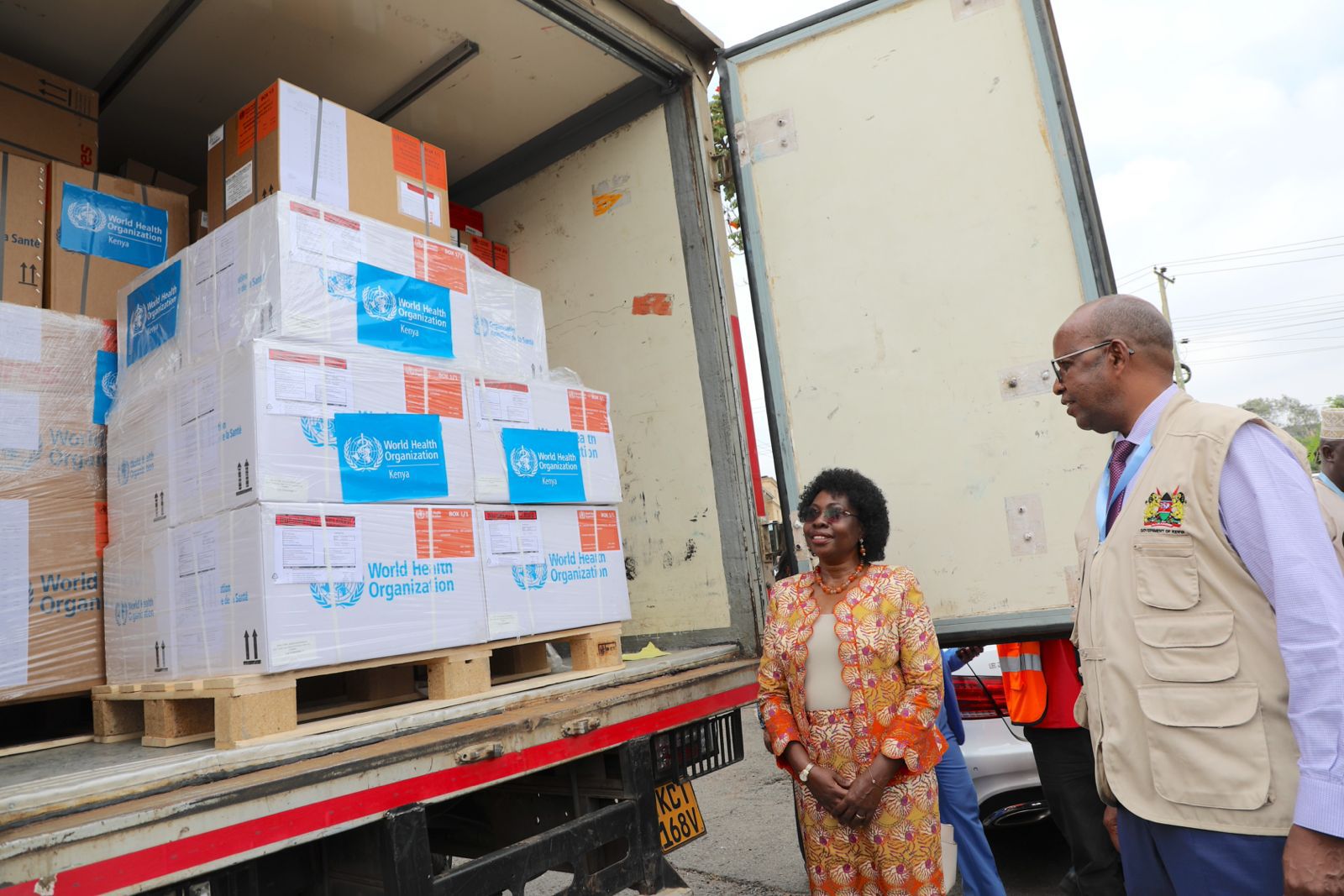
"These kits contain essential medicines, medical supplies and life-saving equipment that will support frontline health workers in providing critical care, managing disease outbreaks and maintaining essential health services during this period,” he said.
The National Police Service through spokesperson Muchiri Nyaga confirmed that the cumulative number of fatalities from the floods has now risen to 71, with five additional deaths recorded Tuesday.
Nairobi remains the hardest-hit region, accounting for 36 of the victims.
Duale reassured Kenyans that the government remains fully committed to protecting the health and wellbeing of all citizens as the long rains season carries the prospects of causing more flooding.
"Through our coordinated national and county response mechanisms, we are strengthening disease surveillance, supporting rapid response teams, ensuring availability of essential medicines and supplies, and enhancing community awareness on preventive measures,” the CS said.
He also urged the public to take preventive steps during the rainy season.
“Communities are encouraged to maintain high standards of hygiene, use safe water, sleep under treated mosquito nets, and promptly seek medical care when they experience symptoms of illness,” he said.
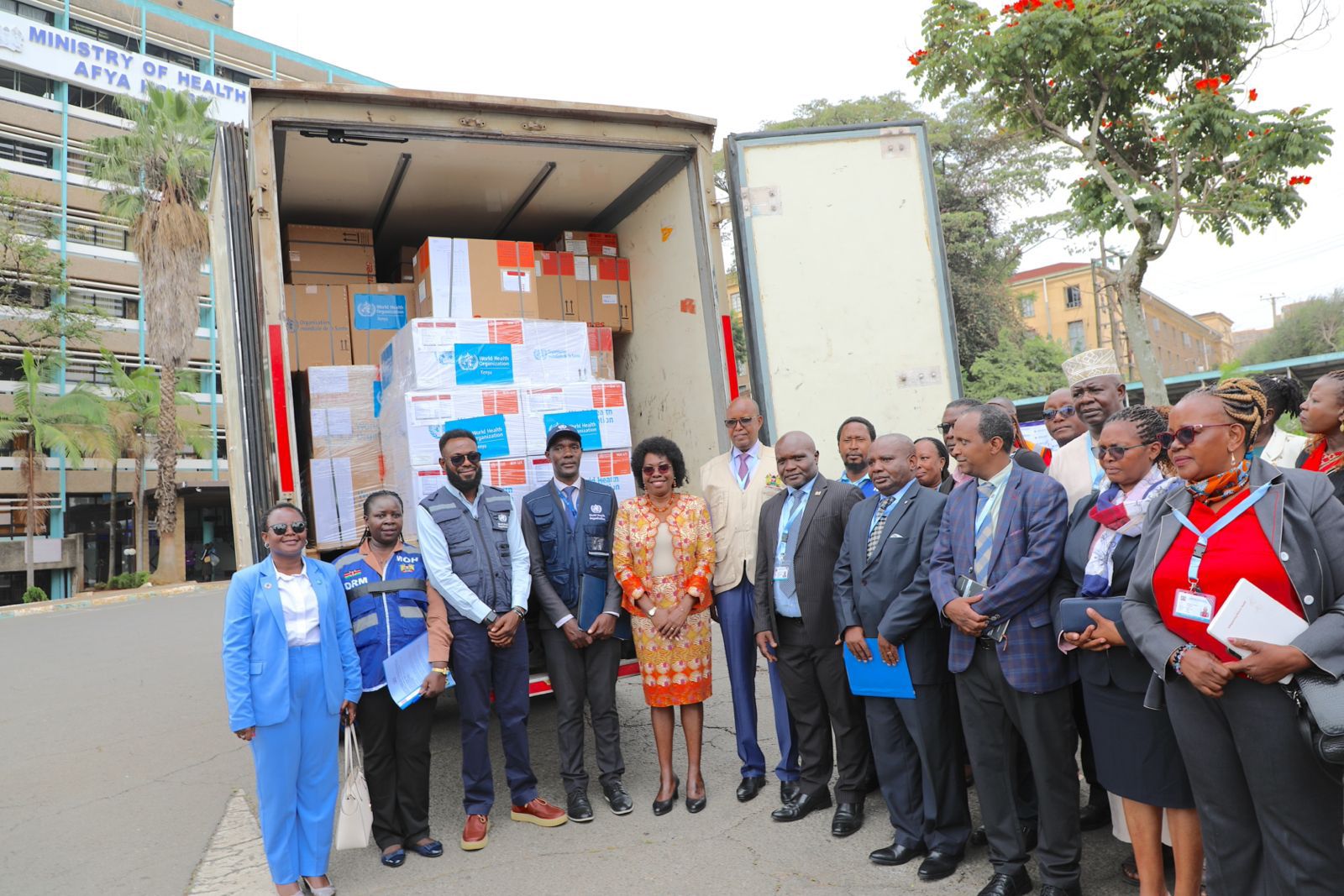
The CS concluded by reaffirming Kenya’s commitment to working with partners to strengthen health emergency preparedness.
He highlighted the role of collaboration in managing crises, saying partnership is at the heart of effective emergency response.
"The support we are witnessing today demonstrates the power of collaboration between government, international organisations and development partners in addressing public health emergencies,” Duale said, thanking the WHO for its timely support and ongoing partnership.
“Together, we will continue to safeguard the health and wellbeing of our people."