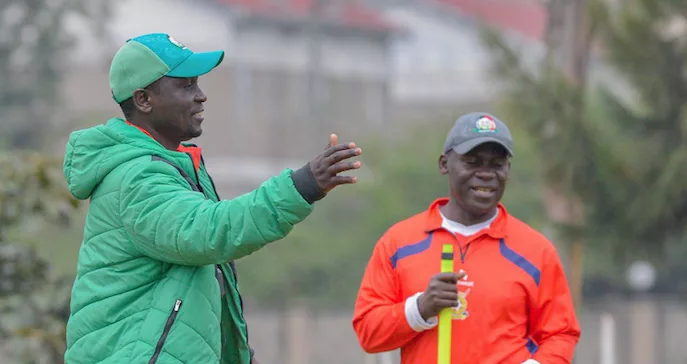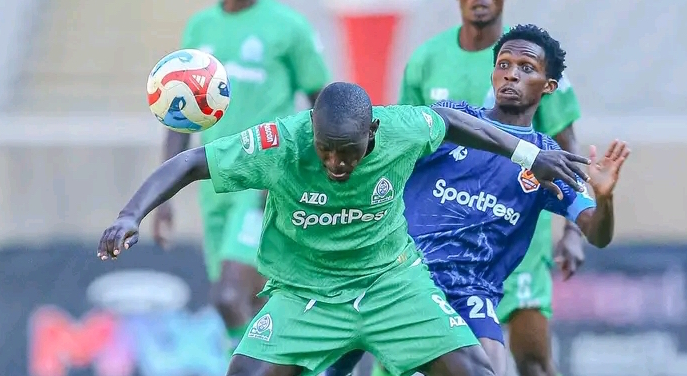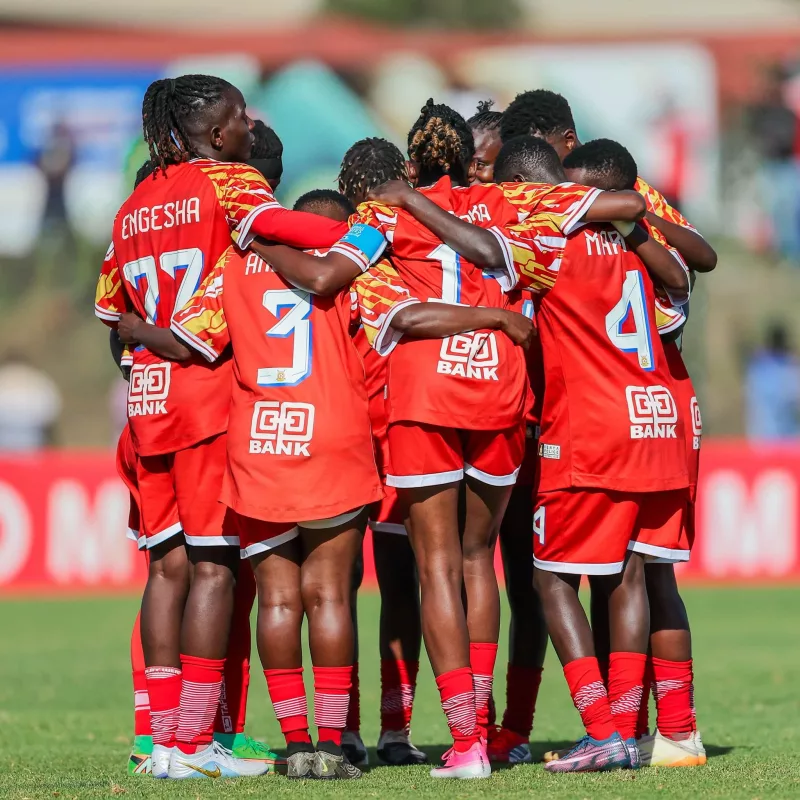
 Harambee Stars players Michael Olunga and Brian Ogam/FILE
 Kenya’s football story took a bitter turn last year when the Harambee Stars suffered a humiliating 8–0 loss to Senegal in a friendly match.
The scale of the loss exposed a deeper problem: our domestic football system is fragile, under-resourced, and unable to consistently produce players capable of competing with Africa’s elite.
In response, the Football Kenya Federation (FKF) launched an ambitious recruitment drive in Europe, targeting players of Kenyan descent to fill glaring gaps. While the lure of experienced professionals abroad is understandable, this raises an urgent question: are we addressing the root problem or merely treating the symptoms?
Diaspora players such as Zak Vyner, Tyler Onyango, and Linton Maina bring technical polish and European league experience. FKF’s delegation, led by head coach Benni McCarthy and Vice President McDonald Mariga, is reportedly negotiating dual-citizenship and FIFA eligibility clearances to make them available for AFCON 2027.
In the short term, this approach may provide a quick boost. But relying on external talent without strengthening local systems is precarious. Kenya’s youth academies, grassroots leagues, and regional competitions remain chronically underfunded.
Coaching standards vary, scouting networks are inconsistent, and many promising players drift away, lured by education or other careers. Humiliating results on the international stage often reflect these structural weaknesses, not the absence of diaspora talent.
The FKF must ask itself: can a national team be sustainably built by picking from abroad, or must it focus on nurturing homegrown talent? Building modern academies, professional coaching, competitive youth leagues, and clear pathways to professional clubs is non-negotiable.
Without this foundation, Kenya risks producing players dependent on overseas lifelines rather than domestic development. The Senegal thrashing is instructive. African football powerhouses like Senegal, Nigeria, and Egypt have decades-long investments in youth infrastructure.
Their squads blend homegrown players nurtured in local systems with carefully integrated diaspora stars. Kenya cannot shortcut this process. Diaspora players can complement a team, but treating them as replacements for domestic development is misguided.
Kenya’s hope lies in nurturing local talent. Players like Brian Michira of Shabana FC demonstrate the potential within our borders. Rising through local leagues, excelling in the FKF Premier League, and earning national recognition, Michira’s trajectory shows what disciplined coaching, competitive domestic games, and structured progression can achieve.
The FKF should adopt a two-pronged strategy: accelerate investment in local academies, professionalise coaching, and strengthen youth competitions; and selectively integrate diaspora players into a system that prioritises homegrown talent.
Clubs and regional associations must also be held accountable to ensure young players receive opportunities to train, compete, and grow. With Kenya set to co-host AFCON 2027, urgency is critical. Fans will not accept cosmetic solutions; they want a team that competes on merit, with players who understand Kenyan football culture and have experienced the rigours of domestic competition.
A squad cobbled together mainly from European-born talent may make headlines temporarily, but it will not provide the long-term stability needed to elevate the game nationally.
FKF has an opportunity to turn a painful defeat into a catalyst for lasting change. The Senegal loss should serve as a wake-up call, not an excuse to chase quick fixes abroad.
Kenya has raw talent, passion, and potential — what is missing is the structure to harness it. By committing to grassroots development, youth investment, and professionalised domestic pathways, Kenya can build a national team that is competitive, consistent, and capable of defending its reputation on the continental stage. AFCON 2027 looms. The world will watch. Kenya must invest in enduring strength, not fleeting fixes. The time to act is now.