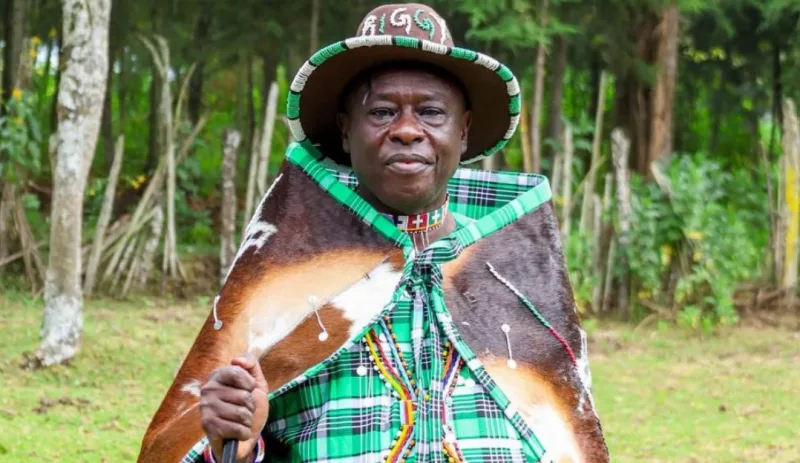
 Juja MP George Koimburi/FILE
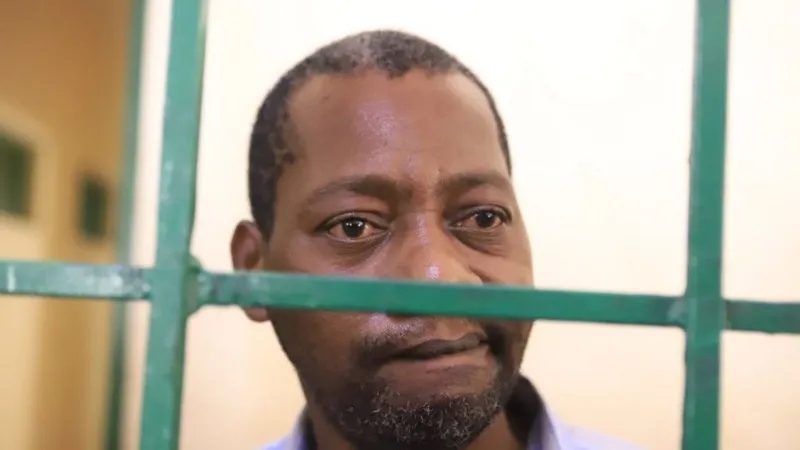
Juja MP George Koimburi has announced plans to table a Motion in the National Assembly seeking to allow lawmakers to debate in their respective mother tongues at designated times each week.
Speaking in his constituency, Koimburi said the proposal aims to enhance representation and cultural inclusivity by giving lawmakers an opportunity to communicate directly in the languages of the communities they serve.
He suggested that MPs be allocated at least two hours every week to contribute to parliamentary debates in their native languages.
“I want to speak Kikuyu during session so that my community can see they have been represented well and they can also be respected,” Koimburi said.
The legislator argued that there is nothing wrong with using indigenous languages in Parliament, noting that such a move would strengthen the connection between elected leaders and their constituents.
“We want the proposal to pass because it is not wrong to speak mother tongue even during parliamentary session or when we are out there with the people,” he added.
Koimburi’s proposal, however, raises constitutional and procedural questions, given that the official languages of Parliament are clearly defined. Under Article 120 of the Constitution of Kenya, parliamentary business may only be conducted in English, Kiswahili, and Kenyan Sign Language.
These provisions are designed to ensure uniformity, accessibility, and clarity in legislative processes.
English and Kiswahili are widely used interchangeably in debates and in the drafting of laws, with Kiswahili also recognised as the national language under Article 7 of the Constitution.
Kenyan Sign Language is also permitted to promote inclusivity and ensure that persons with hearing impairments can fully participate in parliamentary proceedings.
While English has historically dominated parliamentary discourse, there has been a deliberate shift in recent years to encourage greater use of Kiswahili in order to enhance public understanding and participation in legislative affairs.
The place of Kiswahili in Parliament has evolved over time. Between 1907 and July 1974, English was the primary language used in the Legislative Council and later in the National Assembly.
However, a significant shift occurred in 1975 when Parliament passed the Constitution of Kenya (Amendment) Act (No. 1 of 1975), which repealed Section 53 of the then Constitution and allowed proceedings of the House to be conducted in Kiswahili.
This marked a major milestone in promoting the language within formal state institutions. Kiswahili enjoyed a particularly prominent role in parliamentary proceedings between 1974 and 1979, a period often regarded as its “golden era” in legislative debate.
Koimburi’s proposal now seeks to expand this linguistic inclusivity further by incorporating Kenya’s diverse indigenous languages into parliamentary discourse, albeit for limited and structured periods.