 Joseph Kanyiriri, a commissioner at the National Counter Terrorism Center, addressing Dedan Kimathi university learners on March 13, 2026/ ALICE WAITHERA
The national government has partnered with universities to stem and create awareness on radicalisation in the country.
Joseph Kanyiriri, a commissioner at the National Counter Terrorism Centre, said a number of youths have been falling prey to extremist organisations and getting radicalised.
Kanyiriri spoke during the Close Out Ceremony for Preventing Violent Extremism in Kenyan Universities Project at the Dedan Kimathi University in Nyeri. The project is being implemented by Grassroots Advisers Impact in nine universities nationally.
He said radicalisation is a cross-cutting challenge that has affected multiple communities and religions.
“It is not limited to one community or one religion. Even here in Nyeri, there are youths who were once recruited and travelled to Somalia, where they became involved in acts of terrorism,” he said.
He noted that the groups especially target educated youths, who he said can be useful to them in many ways beyond fighting, such as spreading propaganda.
While the recruitment was formerly mostly done person-to-person, the groups are now targeting unassuming youths through social media, luring them to join their organisations.
Kanyiri said the government has a duty to de-radicalise people from extremist ideologies and rehabilitate them, eventually reintegrating them safely back into their communities.
“This is an issue that the government is dealing with. Once rehabilitated, it’s up to the youths to speak about their transformation, like someone who has been saved, baptised, confessed and repented their sins,” he said.
The commissioner said legal processes are, however, followed when the involved youths have broken the law, confirming that there are a number of youths who have tried to join the groups and later returned home.
He urged Kenyans to report to the authorities or dial the centre’s hotline through 1531 once someone who’s known to have been radicalised returns to their communities for appropriate action.
“This is because some of them may return after receiving military training and could bring crime and destruction to our communities. Others may come back to recruit more youths or to conduct intelligence work on behalf of terrorist organisations,” Kanyiri said.
Khadija Suleiman, The Grassroots Impact Advisers project manager, said universities play a critical role in strengthening community resilience by empowering students to promote tolerance, critical thinking and social cohesion.
The project brings together state and non-state actors to reduce the risks of radicalisation by empowering communities, especially young people, to take an active role in preventing violent extremism.
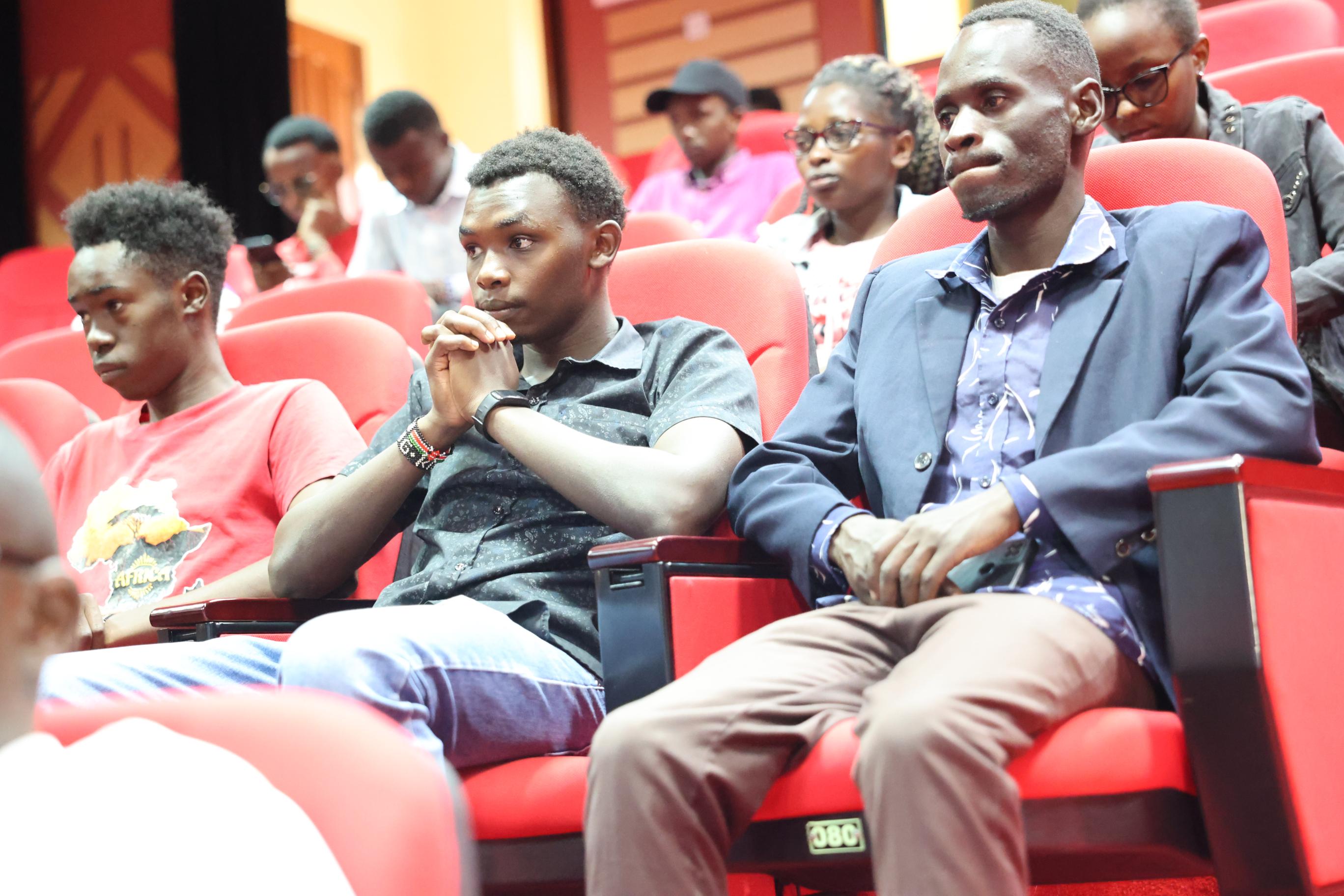 Dedan Kimathi students during the Close Out Ceremony for Preventing Violent Extremism in Kenyan Universities Project at the university on March 13, 2026/ ALICE WAITHERA
“Students have showcased the activities they implemented throughout the project, including awareness campaigns, dialogue forums, media initiatives and creative arts-based interventions aimed at promoting peace and countering extremist narratives,” she said.
On her part, Christine Minyuki, a director at Ministry of Education, said the government has been working closely with universities to enhance safety and discourage extremist activities.
“We ensure they have orientation for their students and some of the things that they are ranking students about are things such as extremism and radicalisation,” she said.
“We have asked them to make sure they put safety measures in place to ensure what happened at Garissa University doesn't happen again,” she added, referencing the 2015 terrorists attack that saw 148 people killed, most of them students.
The university’s Deputy Vice Chancellor Prof Eddy Owaga said the institution has a vitalised programme on criminal studies and policy, and operates clubs that promote issues ranging from gender equity and disability among others.