A data engineer with no medical background has drawn global attention after using artificial intelligence to help design a personalised cancer vaccine for his dog.
According to a report by The Street, Paul Conyngham relied on artificial intelligence platforms to analyze the cancer affecting his rescue dog, Rosie, ultimately helping create a tailored mRNA vaccine that significantly reduced the tumor.
Conyngham, who has nearly two decades of experience in machine learning, turned to the AI chatbot ChatGPT in 2024 after conventional veterinary treatments failed to stop the aggressive cancer spreading through Rosie’s hind leg.
Rosie, an eight-year-old Staffordshire Bull Terrier–Shar Pei cross adopted from a Sydney shelter in 2019, had been diagnosed with mast cell cancer the most common form of skin cancer in dogs. Veterinarians initially estimated she had between one and six months to live.
Despite undergoing chemotherapy and multiple surgeries, the tumors persisted, prompting Conyngham to explore alternative approaches using his data analysis expertise.
“I’m a data analyst and I’ll figure this out with the help of ChatGPT,” he told International Business Times, according to The Street.
Using the chatbot as a research guide, Conyngham began exploring genomic sequencing techniques and was directed toward the Ramaciotti Centre for Genomics.
He paid about 3,000 Australian dollars to sequence Rosie’s DNA. The process compared genetic material from her healthy cells with that of the tumour cells, enabling him to identify the mutations driving the cancer.
To further analyse the mutations, Conyngham used AlphaFold, a powerful AI tool developed by Google DeepMind that predicts the three-dimensional structure of proteins.
By modelling the altered proteins produced by the tumor’s mutations, he was able to identify specific neoantigens, molecular markers that could potentially trigger an immune response.
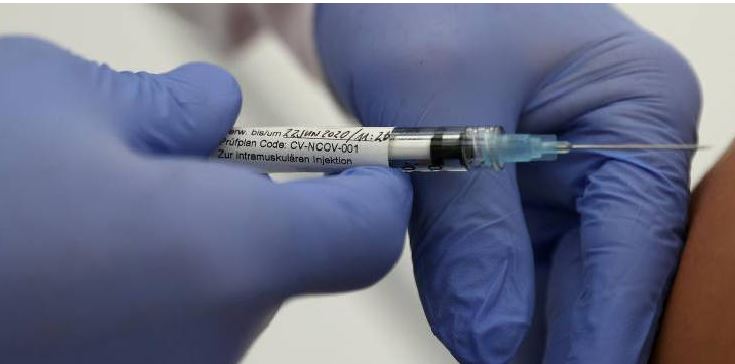
The data was then used to design a personalised mRNA cancer vaccine for Rosie, developed in collaboration with researchers from two Australian universities.
According to scientists involved in the project, the results were striking. The tumor on Rosie’s leg reportedly shrank by about 75 per cent after the experimental treatment, surprising even the researchers who helped develop the vaccine.