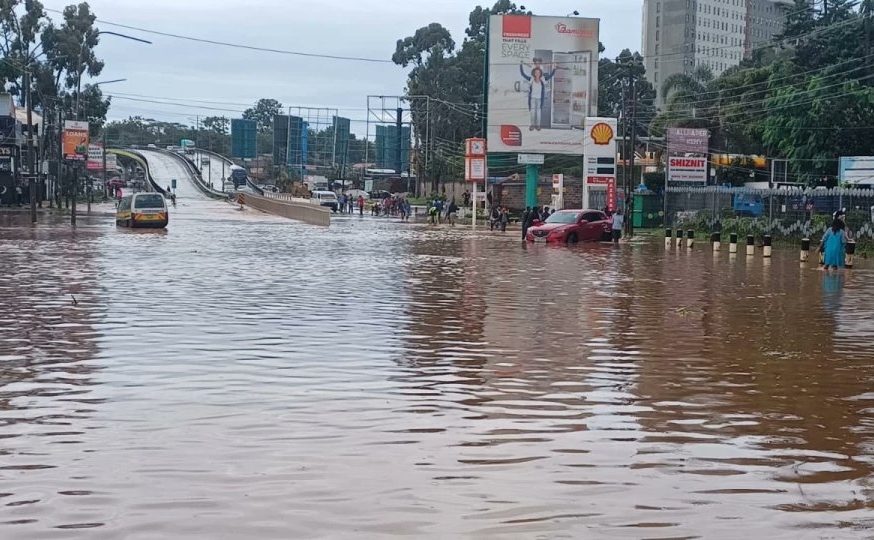
Yet again, floods have claimed dozens of lives in Kenya, turning homes into death traps and roads into rivers. The latest tragedy has left at least 49 people dead and more than 2,600 families displaced across the country, with Nairobi bearing the brunt of the disaster.
What is most troubling is that these tragedies are no longer surprising. Year after year, heavy rains trigger deadly flooding in the capital and other regions, despite warnings from meteorological authorities and years of painful lessons from previous disasters.
Instead of confronting the underlying problems, political leaders have reverted to their familiar routine: trading blame, issuing condolences and turning human suffering into political talking points.
Meanwhile, the structural issues that turn rainfall into catastrophe—poor drainage, unplanned settlements, encroachment on waterways, and weak urban planning—remain largely unaddressed.
Kenya cannot continue to respond to floods as though they are unexpected accidents. They are predictable seasonal events. What the country lacks is not information, but serious planning.
The time has come for long-term flood control measures: modern drainage infrastructure, strict protection of riparian land, improved urban planning, and early-warning systems backed by rapid emergency response.
Until these measures are implemented, every rainy season will continue to expose the same painful truth: Kenya is reacting to disasters it should already have prevented.
“Freedom is not a privilege to be handed down - it is a right we must rise and claim, no matter the cost.”
Lilian Ngoyi
The South African anti-apartheid activistdied on March 13, 1980