
The Ministry of Interior has confirmed that the national death toll from the recent floods has risen to 62.
Following last weekend’s torrential downpours, the National Disaster Management Unit released data showing that the victims include 46 men, 8 women, and 8 children.
Nairobi’s Urban Crisis
The capital has emerged as the epicentre of the tragedy. Nairobi recorded 33 fatalities, the highest number of any single region. Floodwaters swept through residential areas, forcing families to take refuge on their rooftops.
The deluge also left major roads and bridges impassable, cutting off vital transport links across the city.
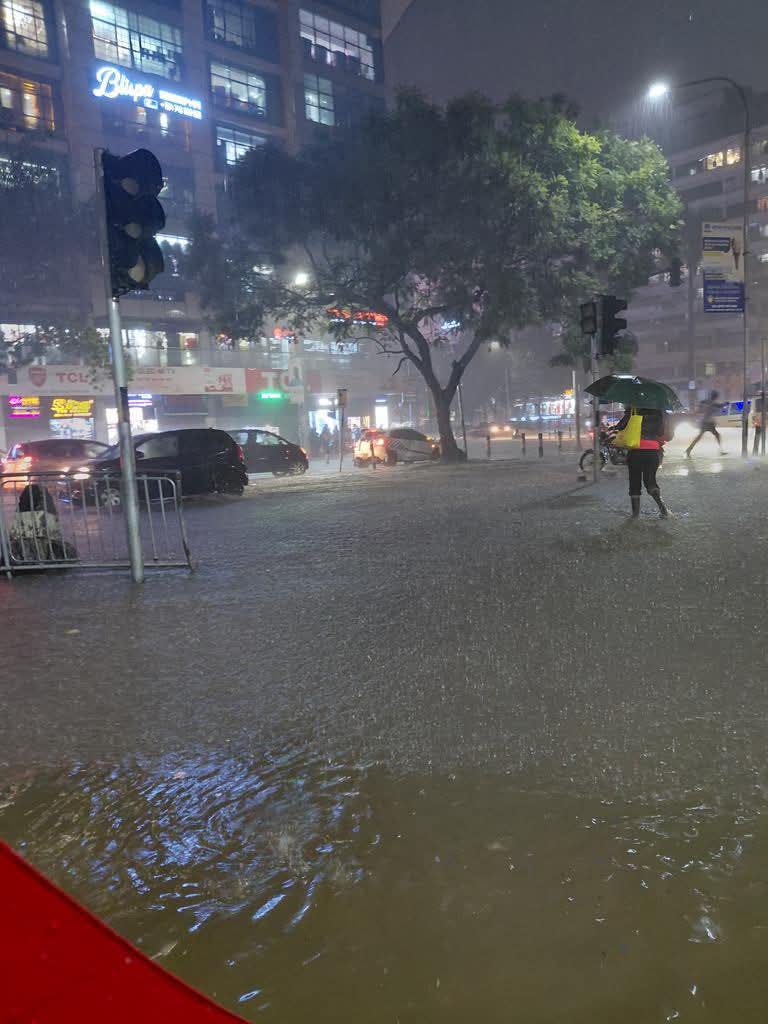
"Nairobi has claimed the highest number of victims at 33," confirmed the Ministry of Interior.
Many residents in the capital found themselves trapped as water supply lines were damaged and power outages plunged neighbourhoods into darkness.
Market stalls and businesses were submerged, leading to significant economic losses for local traders.
Eastern Region and the Rift Valley
The Eastern region has also been severely impacted, reporting 17 deaths. This area includes the counties of Machakos, Kitui, and Makueni. In these rural and semi-urban settings, the destruction of farms is a major concern.
READ TOO: Why Nairobi Floods: The Natural and Structural Causes of the City’s Water Crisis
Crops have been flattened and livestock has been lost, threatening the livelihoods of thousands.
The Rift Valley followed with seven deaths, while the Coast and Nyanza regions each reported two fatalities. The central region has reported one death. Across the country, 18 counties have been officially flagged as affected.
Mass Displacement and Damage
The human cost of the floods is reflected in the 12,338 homes that have been displaced. Families have lost their belongings and shelter, with many seeking refuge in temporary camps or with relatives. Nine people are still reported missing, and search teams are working through difficult terrain to find them.
Key infrastructure has taken a significant hit. Beyond the residential damage, the Ministry noted that schools have been impacted, disrupting the education of thousands of children.
This surge in rainfall marks the beginning of Kenya’s traditional "long rains" season. This period usually runs from March to May and is vital for the nation's agriculture.
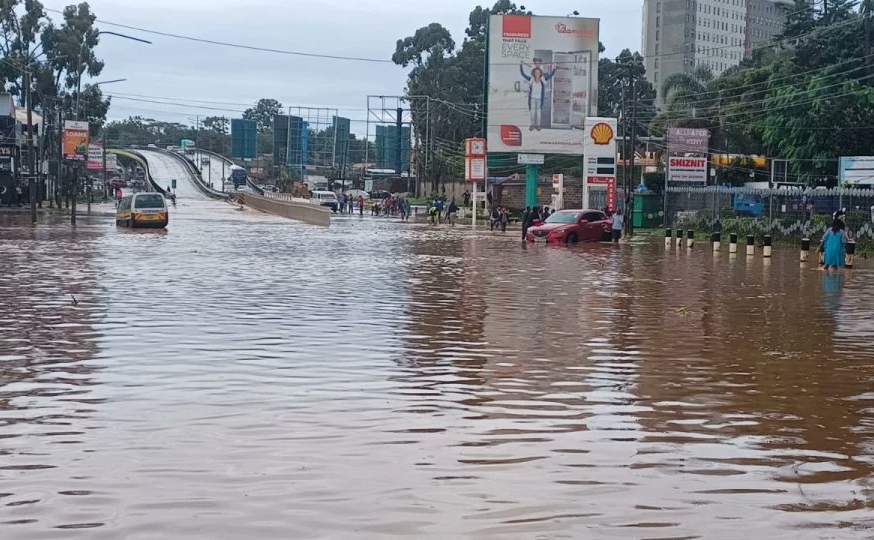
However, the intensity of these early storms has overwhelmed existing drainage systems, particularly in urban centres.
The Kenya Meteorological Department (MET) has warned that the danger is far from over. Heavy rainfall, flash floods, and storm hazards are expected to persist throughout the early part of the season.