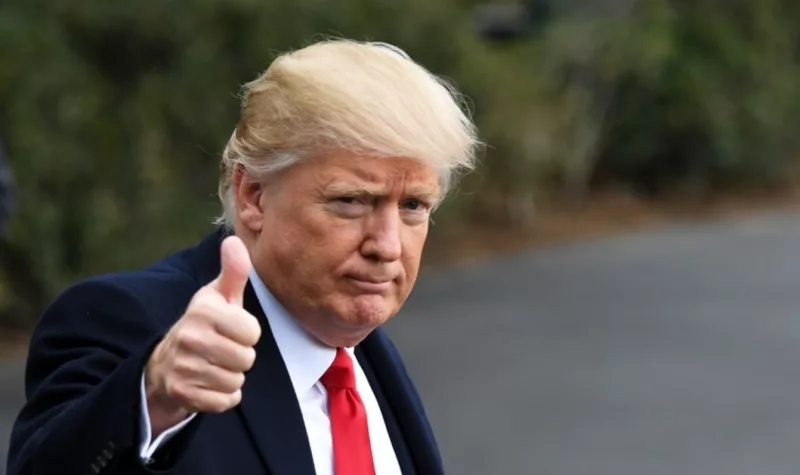
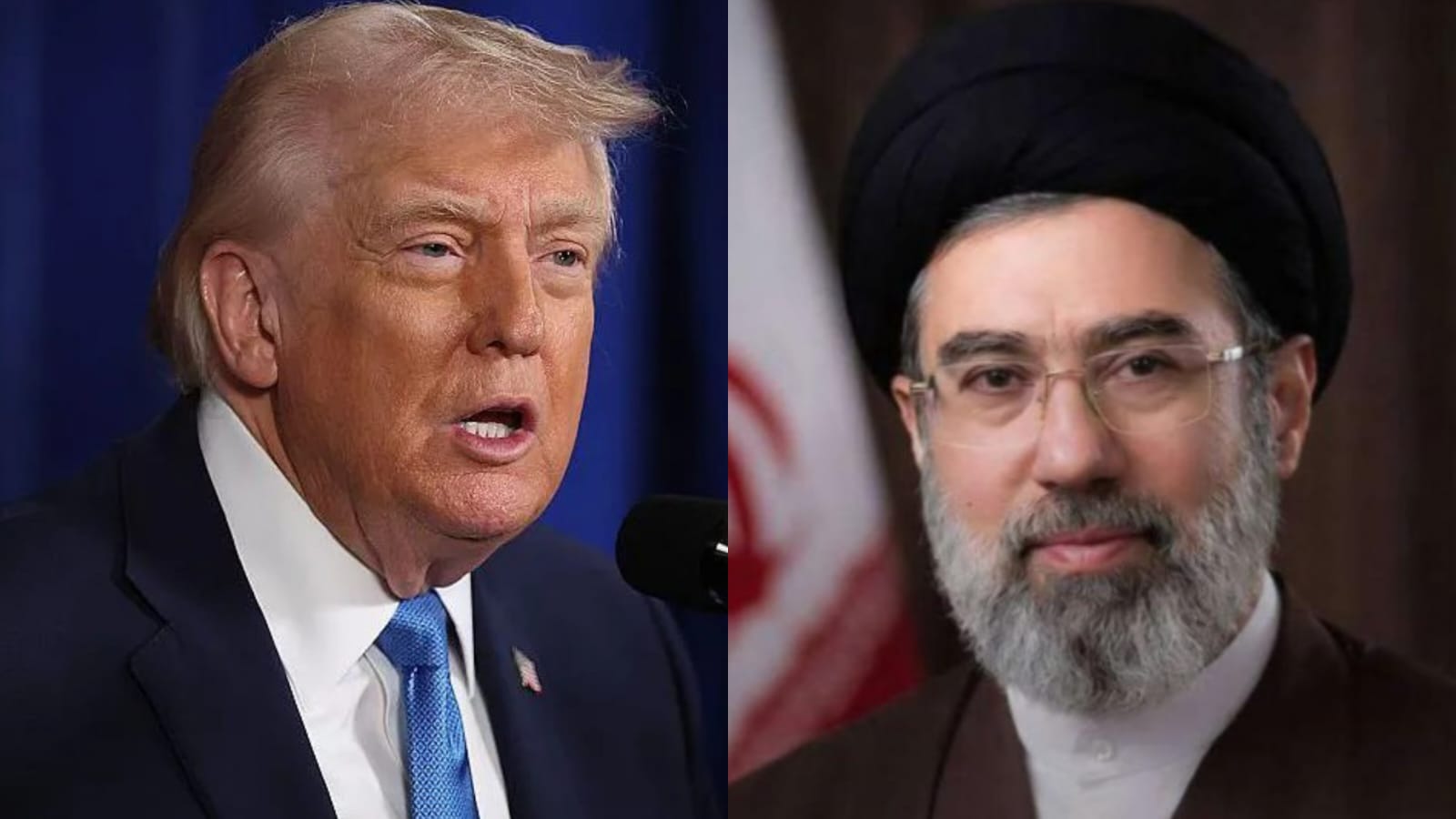
 On Thursday, Mojtaba Khamenei issued a statement vowing to avenge Iranians killed in US strikes as Trump said Iran's military was completely decimated /HANDOUT
Two weeks after the US and Israel launched joint air strikes against Iran on February 28, the conflict shows little sign of easing, with military escalation and sharp rhetoric from both sides fuelling fears of a broader regional crisis.
The initial strikes killed Iran’s supreme leader, Ayatollah Ali Khamenei and triggered a wave of retaliatory actions that some observers have warned could spiral into a wider global confrontation.
On Sunday, March 8, US President Donald Trump asserted that Washington would have influence over the selection of Iran’s next supreme leader, warning that anyone chosen without US approval would “not last long”.
Hours after that statement, Iranian state media reported that the Assembly of Experts had selected Khamenei’s son, Mojtaba Khamenei, as the country’s new supreme leader.
Trump did not immediately respond to the younger Khamenei’s selection but had earlier suggested that any individual assuming the position would require US approval.
“He’s going to have to get approval from us,” Trump told ABC News. “If he doesn’t get approval from us, he’s not going to last long.”
Since the beginning of the conflict, Trump has issued statements that analysts have described as mixed signals on the direction of the war, at times suggesting it could end quickly while also warning that the most intense fighting could still lie ahead.
“We are achieving major strides toward completing our military objective and some people could say they're pretty well complete. We have wiped every single force in Iran out, very completely,” he said.
In a later address on Tuesday, March 11, before House Republicans, Trump struck a more combative tone, suggesting the campaign was only beginning.
“We will not relent until the enemy is totally and decisively defeated. We've already won in many ways but we haven't won enough. We go forward more determined than ever.”
He also indicated that the United States was considering taking control of the Strait of Hormuz, the vital shipping channel that Iran has effectively closed, blocking passage through which 20 per cent of the world’s oil supply passes.
“We are putting an end to this threat once and for all and the result will be lower oil and gas prices for American families,” Trump said.
Meanwhile, US and Israeli strikes have continued across Iran. Videos circulating online show residents in the capital Tehran rushing for cover as projectiles streak across the sky. Plumes of dark smoke dominate the skies.
US Central Command said more than 5,000 targets inside Iran had been struck, including about 50 Iranian vessels.
Iran has responded in equal measure to every strike by targeting US interests across the Gulf, striking sites in the United Arab Emirates, Qatar and Bahrain in an apparent show of its remaining military capability.
On Thursday, Mojtaba Khamenei issued what state media described as his first statement since his appointment as supreme leader.
He did not appear on camera, but a message attributed to him was read on state television, vowing to avenge Iranians killed in the strikes and pledging continued attacks on US military bases and oil facilities in the Gulf.
The message said that the “key is to overcome our enemy,” adding that attacks on neighbouring countries were necessary because they were cooperating with the US.
Hours later, Iran struck two oil tankers in the Strait of Hormuz with Iran’s Revolutionary Guard Council claiming responsibility for the precision attacks near the narrow end of the shipping channel.
The country also expanded strikes on oil infrastructure on land, with videos shared online showing multiple oil storage facilities ablaze across the Persian Gulf.
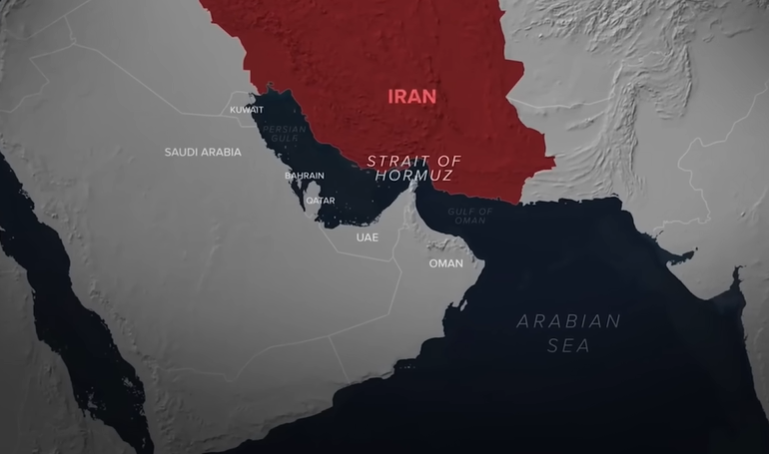 Strait of Hormuz
Iran has reportedly deployed a dozen naval mines in the Strait of Hormuz, further choking the strategic shipping channel and contributing to a sharp rise in global oil prices.
Energy markets have reacted swiftly, with prices climbing overnight and analysts warning that crude oil could surge to $200 (about Sh25,800) per barrel if attacks on Gulf oil infrastructure continue.
Speaking at a rally in Northern Kentucky on Wednesday, March 11, Trump told supporters that the war had effectively been won but that the US would continue its operations.
“As we end this threat to America and this threat to the world, we don't want to leave early, do we? We've got to finish the job, right?” he said.
Earlier, on arrival in Kentucky, he said: “We have very good news on the war front...they are absolutely being destroyed, Iran is being absolutely decimated.”
Mojtaba has not been seen publicly since his father’s death, but the sustained pace of Iranian military actions suggests the leadership structure remains intact.
In Iran’s system of governance, the supreme leader holds ultimate authority over the armed forces and is responsible for authorising major military decisions, including strategic strikes during wartime.
Iranian attacks have continued despite Trump’s assertion that Tehran’s military capabilities had been largely destroyed.
“They are pretty much at the end of the line, it doesn't mean we are going to end it immediately but they've got no navy, they've got no airforces, no anti-traffic. They've got no systems of control,” Trump said.
Yet despite those claims, Iran has maintained a stranglehold on the Strait of Hormuz while continuing to strike US-linked targets across the Gulf.
Analysts say retaliatory attacks from Iran's proxies on Israel appear to be part of longterm military strategy to take pressure off Tehran and minimise concentration of attacks.
"And this is part of the greater strategic plan of Iran, this is why they spent countless billions of dollars building up Hezbollah, the Houthis in Yemen and proxies in Iraq so that they can deflate the cost of the war. Each day Israel is attacking Lebanon, there are fewer planes attacking Iran," one told CBS News.
Military analysts suggest Tehran may be pursuing a strategy aimed at disruption, delay and depletion — disrupting global energy flows, delaying shipping traffic and gradually exhausting the air defence systems used by regional US-allies.
The scale of the disruption is already visible. More than 500 oil tankers are waiting to pass through the Strait of Hormuz, while an estimated 4,000 vessels appear to be stranded in the surrounding waters.
The strait itself stretches roughly 145 to 167 kilometres, linking the Persian Gulf with the Gulf of Oman and the Arabian Sea.
At its narrowest point between Iran and Oman, it measures just 33 to 39 kilometres wide, making it one of the world’s most critical maritime chokepoints.
The conflict has taken a growing civilian toll. According to a tally based on official sources, more than a dozen civilians, mostly migrant workers, have been killed in attacks across the United Arab Emirates, Saudi Arabia, Kuwait, Qatar, Oman and Bahrain.
The Iranian Red Crescent Society said more than 1,200 people had been killed by Israeli and American strikes as of Thursday, March 12.
As the war moves into its third week, with oil prices surging and military exchanges intensifying, the question now facing the region — and much of the world — is how long Iran can sustain its resistance against the US and its allies.