 Proposed law seeks to confine certificate and diploma training to TVET institutions
A bill seeking to scrap certificate and diploma courses in universities is facing pushback and sharp scrutiny from a section of legislators over its intent, amid rising demand for technical and foundational training.
The Universities (Amendment) Bill, 2023, currently at the second reading stage in the National Assembly, proposes changes to the Universities Act, 2012 that would confine certificate and diploma programmes to Technical and Vocational Education and Training (TVET) institutions in a bid to boost enrolment in the sector.
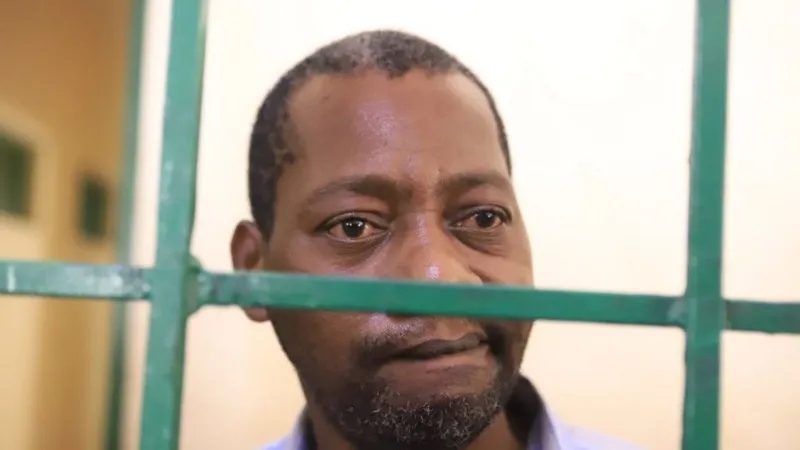
Embakasi Central MP Benjamin Mejjadonk, who sponsored the Bill, argues that the country already has clear regulatory structures— the Technical and Vocational Education and Training Authority (TVETA) for TVET colleges and the Commission for University Education (CUE) for universities — yet both categories of institutions continue to offer similar certificate and diploma courses.
Clause 4 of the Bill therefore proposes to amend section 20 of the Act to provide that universities may offer postgraduate certificate and postgraduate diploma courses but not basic certificate and diploma courses.
According to the legislator, universities are primarily institutions of higher learning and academic research and should concentrate on degree and postgraduate programmes rather than foundational courses.
He argues that the current arrangement has created an overlap in functions between TVETA and universities while gradually diluting the character of institutions of higher learning.
"It's important to appreciate the mischief that the registration seeks to cure. This dual certification framework has resulted in inconsistencies in curriculum, content and duration."
The MP contends that limiting certificate and diploma programmes to TVET institutions would help strengthen their enrolment, which remains low despite significant government investment in the sector.
"The Bill therefore seeks to restore clarity, strengthen quality assurance and align the institutional mandate within Kenya's education framework," he said.
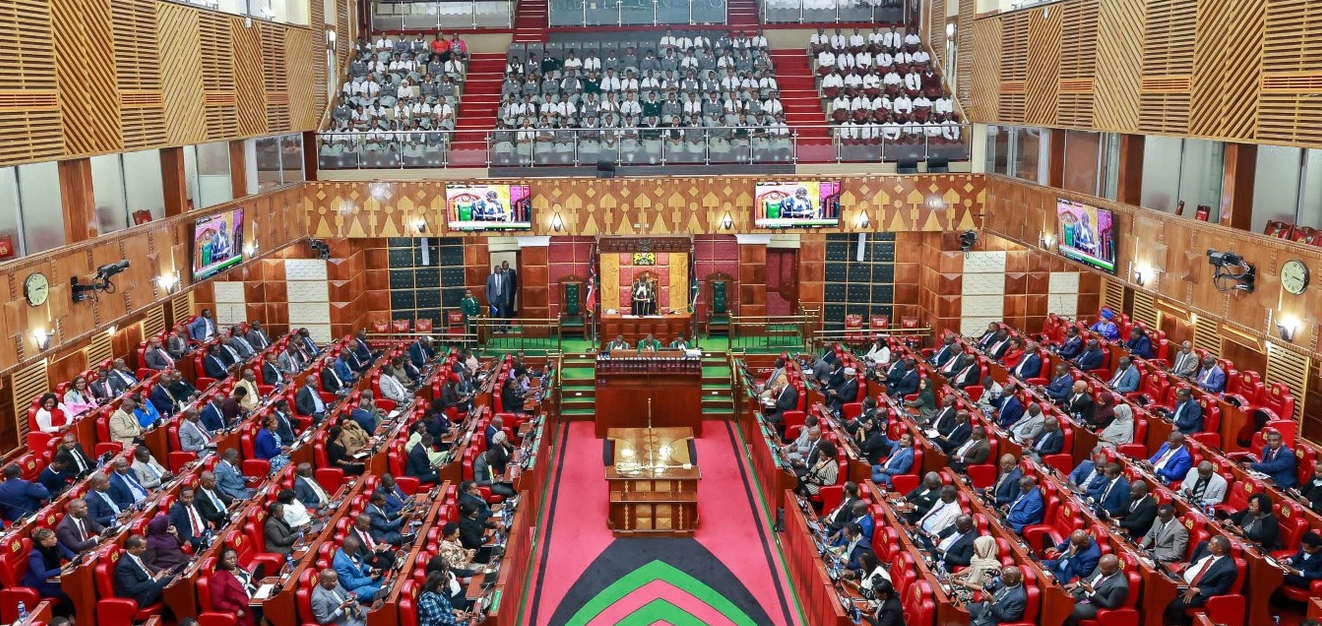
During debate on Wednesday, the Bill was seconded by Starehe MP Amos Mwago and drew considerable backing from some lawmakers.
Bondo MP Gideon Ochanda questioned the logic of universities offering short foundational courses.
"Why do we want to have a professor getting to teach Class 8 in a university for purposes of issuing a certificate for three weeks," he posed.
"This developed from universities wanting to generate more money and they got a soft spot. I think universities need to be respected for what they churn out," he added.
North Imenti MP Rahim Dawood also backed the proposal, noting that more than half of Kenya Certificate of Secondary Education (KCSE) candidates fail to meet the minimum university entry grade of C+, leaving TVET training as their most viable option.
"We need to separate the administration of certificates and diplomas; they should be under one institution," he said, adding that disparities in grading standards between universities and TVET institutions create imbalance in certification.
But the proposal ran into resistance from several MPs who argued that universities possess specialised curricula and advanced infrastructure capable of supporting quality certificate and diploma training.
Kinangop MP Zachary Thuku said the country must consider the demands of the transition from the 8-4-4 system to the Competency-Based Curriculum, which requires specialised training capacity.
"There are courses that are offered in universities that cannot be offered in TVETs," he said.
He added that universities provide an important academic progression pathway for learners who begin at the certificate level before advancing.
"Students may not have the requisite grades to join universities to do Bachelors of Engineering, but they start from a certificate, then upgrade to diploma and eventually to degrees."
Opponents of the Bill also argued that universities often leverage their global partnerships to secure student exchange opportunities that benefit certificate and diploma learners.
"As long as no one is complaining, as long as these universities are graduating quality students, why should we sit as MPs of Parliament and decide to curtail them?" posed Moiben MP Prof Phylis Bartoo.
"We shouldn't be worried about a professor teaching a diploma or certificates; a student should benefit from the expertise. And these professors don't just teach, they mentor," she added.
Seme MP Dr James Nyikal suggested that the debate had drifted away from more fundamental questions about the purpose of universities.
According to him, universities are not merely training institutions but centres for generating new knowledge through research.
"You will never progress in university if you do not do research. Publish or perish," he said.
"What universities should do is find new knowledge, to do research and find out how the world works. Installations and repairs are not the work of engineers."
Bureti MP Komingoi Kirui supported the Bill but indicated he would push for amendments to strengthen coherence in the education sector.
"We have seen universities maribound into areas that they do not even have expertise or core competencies. For now, I support the bill but will propose amendments with particular focus on ensuring coherence in our education sector."
Data presented during the debate also highlighted the scale of the challenge facing post-secondary education.
Out of the 993,226 candidates who sat the 2025 KCSE examinations, only 270,715 (27.19 per cent) achieved a grade of C+ or higher, meaning roughly 722,511 students (about 72.8 per cent) fell below the direct university entry requirement.
Gichugu MP Robert Gìthìnji said TVET institutions remain the most appropriate pathway for the majority of those learners.
"What we need to do is a deliberate effort to build capacity within our TVETs so that we can absorb all those people."
However, Siaya Woman Representative Christine Ombaka questioned whether the two systems should necessarily be seen as competing.
"What are we fighting over when we have space at the TVET level? They can take students there, if there is space at the university, why not?" she posed.
Nyeri Woman Representative Rahab Mukami called for harmonisation of certification standards between the two sectors to ensure fairness in the labour market.
She said the norm has been that most employers prefer university-trained diploma holders from recognised universities.
"Both of them are doing certificates and diplomas, why are they doing different exams?" she asked, saying this amounted to discrimination.
Nominated MP Sabina Chege said she remained conflicted about whether to support the amendments or reject them outright.
While acknowledging universities’ leadership in higher education, she warned that barring them from offering foundational programmes could overwhelm TVET institutions.
"We need to relook these amendments, Mejjadonk, and ask ourselves, will we be doing good to our students or doing more harm? As we support this Bill and go for the committee of the whole House, we might need to see how to make sure that we don't discriminate."
Suba North MP Millie Odhiambo said the issues raised in the Bill appeared more administrative than legal.
"I will not outrightly oppose, but I would wish that they have more grounds for convincing me. One of the things I was hoping to see was what is best international practices? I don't see that in the report of the committee," she said.
"Whenever you wish to change a practice that has been here for a long time, there has to be very good grounds for doing that."
Key proposals in the Bill include amending section 5 of the Act to provide that the function of the Commission for University Education will be to recognise and equate postgraduate certificates and postgraduate diplomas conferred by foreign universities and institutions, as opposed to basic certificates and diplomas.
There's a proposal to amend section 38 of the Act to provide that a chancellor of a university may only award postgraduate certificate and postgraduate diploma courses and not basic certificate and diploma courses.
The proposed amendments will face further scrutiny during the Committee of the Whole House before MPs make a final determination at the Third Reading, the last step in the National Assembly.