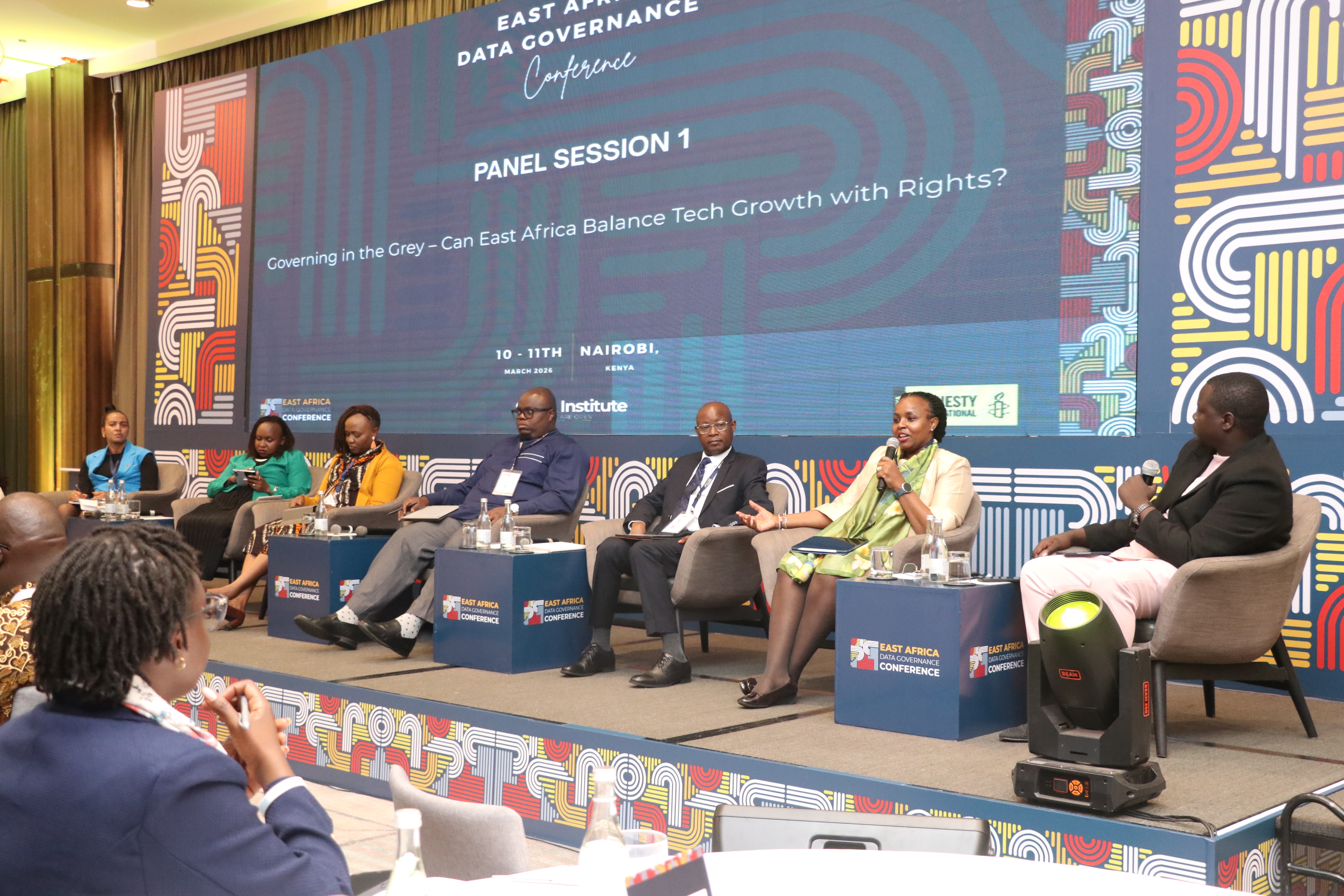
As East Africa’s digital infrastructure expands, the intersection of technology and democracy has created a new, invisible political battleground.
With Uganda and Tanzania having concluded elections and Kenya’s vote approaching, experts convened in Nairobi to discuss how personal data can enhance democratic participation without becoming a tool for state surveillance or political suppression.
At the East Africa Data Governance Forum on Tuesday and Wednesday, regulators and international partners highlighted the benefits of “data for development”.
Meanwhile, journalists and civil society members raised concerns over the militarisation of digital spaces during elections.
Collection of citizen data for voter registration and campaigning often overlaps with opaque state monitoring.
Immaculate Kassait, Kenya’s Data Protection Commissioner, stressed strict adherence to legal frameworks.
“It’s important to follow principles of data minimisation, transparency and accountability so that only consented data is shared,” she said, highlighting efforts to reduce digital footprints exploitable by political actors.
Tisa Kenya executive director Diana Gichengo urged that technology should strengthen government accountability.
“We must interrogate digital identity not just legally but also socially and technologically. Data used to enable human rights must be recognised and treated as such,” she said.
Activists reported that online activities in the region have been linked to physical abductions via unmarked vehicles, intensifying concerns over digital security.
Uganda’s Director General for Personal Data Protection Ivan Kirya said data protection laws aim to balance digital growth with citizen privacy, while PR manager Paul Kaketo noted that educating citizens about their rights remains a major challenge.
“Regulations should enable sustainable innovation. In Uganda, existing laws help fintechs operate competitively,” Kaketo said.
Emmanuel Mkilia, Tanzania’s Personal Data Protection Commission director general, highlighted uneven enforcement of laws and the need for stronger regional integration.
“We need to move from reactive to proactive frameworks, harmonising cross-border data flows while respecting sovereignty,” he said.
International development expert Winnie Awuor warned of a disconnect between available data and policymaker needs.
Participants noted that without local solutions and sovereign platforms, East Africans risk ceding control of their digital lives to global algorithms indifferent to human rights.